Spanish Delivery Giant Glovo Faces Unprecedented Nationwide Strike
Riders for the Spanish delivery platform Glovo, called to action by the Workers’ Commissions (CCOO) union, will stage a nationwide strike from Friday, April 24th, to Sunday, April 26th, 2026. This is considered the largest protest in the sector since the implementation of the ‘Rider Law’ (Ley Riders), aiming to voice strong opposition to the platform’s labor policies.
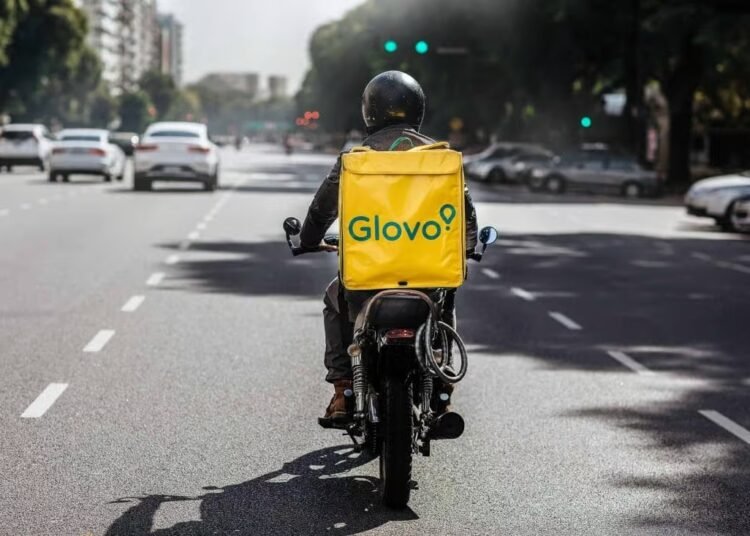
The Spark: Labor Conflicts Persist Despite the ‘Rider Law’
At the heart of the conflict is the union’s accusation that Glovo is failing to comply with the spirit of the ‘Rider Law.’ The law is designed to protect the labor rights of delivery riders, transitioning them from self-employed contractors to platform employees. However, the CCOO union claims that Glovo is using various methods to evade its legal obligations as an employer. The union has revealed that the company plans to lay off 750 employees through a collective dismissal procedure (ERE) and then outsource the work to third-party ‘shadow fleets’ or ‘shell companies’—a move seen as a disguised form of labor exploitation.
The Algorithmic Dilemma: Riders ‘Working in Fear’
In addition to these structural evasions, riders face immense pressure from the platform’s algorithm. According to riders on the ground, Glovo’s GPS tracking system imposes extremely strict delivery time requirements, failing to account for real-world conditions like traffic congestion, restaurant delays, or customers being unavailable for pickup. Any delivery that fails to meet the system’s estimated time can result in penalties or even account deactivation. Union representative Carlos Sola stated that this management style has riders ‘working in fear,’ worried that the slightest mistake could cost them their jobs.
Strike Details and Potential Social Impact
According to the union’s announcement, key details of the strike are as follows:
- Strike Dates: Friday, April 24th, to Sunday, April 26th, 2026
- Strike Scope: Nationwide (all of Spain)
The strike is scheduled during a peak weekend dining period and is expected to have a significant impact on both the restaurant industry and consumers. Delivery times for orders may be drastically increased, and widespread instances of unassigned orders are likely. For restaurants that rely on delivery platforms for business, this could lead to order backlogs, food waste, potential customer complaints, and subsequent financial losses.
