Supply Chain Crisis Drives Up “Liquid Gold” Prices
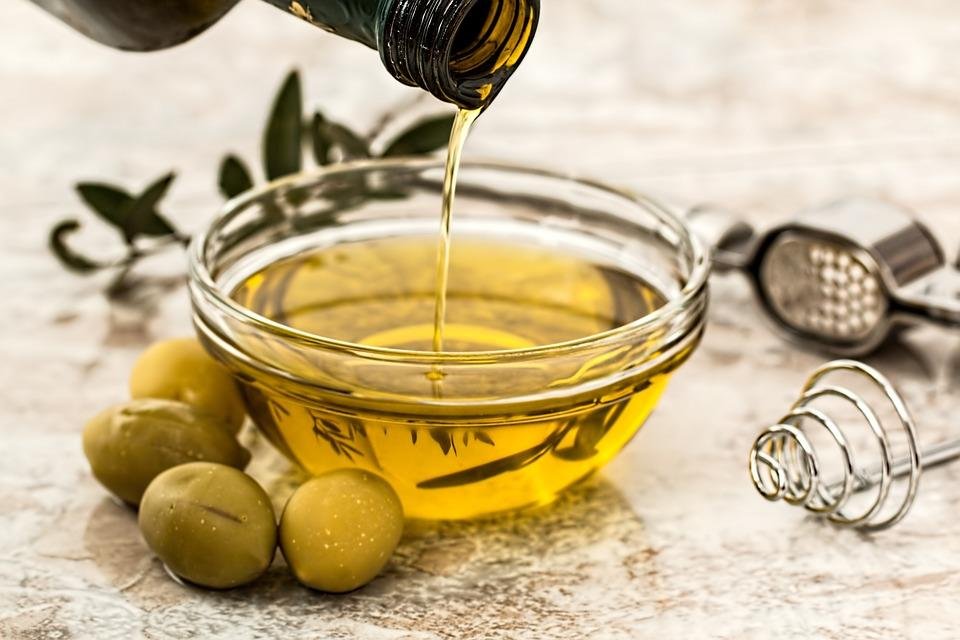
According to a market monitoring report released on April 21, 2026, olive oil prices in Spain are experiencing another sharp increase. Logistical blockades in the Strait of Hormuz, rising energy costs due to the conflict in Ukraine, and persistent heavy rainfall in Spain during the winter have collectively put immense pressure on the olive oil supply chain. These factors have not only led to an expected decline in olive yield and quality but have also pushed up distribution costs, turning this staple of Spanish households into a high-priced commodity comparable to “liquid gold.”
Theft Data Reveals a Grim Situation
The price surge has directly fueled a serious theft problem. The latest “Theft Barometer” report from security solutions provider Checkpoint Systems reveals that olive oil has surpassed all other categories to become the most stolen item in Spanish supermarkets. The report indicates that last year, the retail sector suffered losses of up to €2.817 billion due to shoplifting, with shrinkage accounting for 1.1% of total turnover. Organized professional criminal gangs were responsible for 35% of olive oil thefts, with another 50% committed by repeat offenders, all drawn by the ease of selling and cashing in on the product in parallel (black) markets.
Expert Warnings and Industry Outlook
Carlos Cruz, Commercial Director for Checkpoint Systems in Spain, warns that the pressure from rising prices is unlikely to ease in the short term. The ongoing conflict in Ukraine continues to affect energy and logistics costs, while Spain’s adverse winter weather has created significant uncertainty for the new olive harvest season. These factors suggest that olive oil prices are likely to remain high, thus continuing to incentivize theft.
Retailers Upgrade Security to Meet the Challenge
To combat the rampant theft, major supermarket chains in Spain have begun implementing stricter security measures. In addition to attaching traditional security tags to products, many stores have moved olive oil to areas near the checkout counters or under staff supervision. Some supermarkets have even opted to display only dummy bottles on shelves, with customers needing to request the actual product. Furthermore, advanced digital tracking technologies like Radio Frequency Identification (RFID) are being introduced to enable precise, real-time monitoring of every bottle, aiming to curb the theft wave of this “liquid gold.”
