Murcia’s Child Abuse Statistics Sound an Alarm
Data recently released by the Department of Social Policy in the Region of Murcia, Spain, has drawn widespread public concern. The report indicates that a total of 1,952 suspected child abuse cases were detected in the region in 2025, an increase of 712 cases from the previous year, representing a staggering 36.5% rise.
Specifically, these numbers translate into the following grim facts:
- Daily average: 5 children suffer some form of abuse.
- Weekly average: 3 children are victims of sexual violence.
Conchita Ruiz, the head of Murcia’s Department of Social Policy, suggests two possible reasons for this significant increase: an actual worsening of the abuse problem, and a heightened societal awareness and improved efficiency of detection systems.
Analysis of Abuse Types: Neglect and Intra-family Sexual Assault
Among all recorded cases, the breakdown by type of abuse is clear:
- Neglect: The most common type, accounting for 55%, manifested as poor hygiene, malnutrition, or chronic school absenteeism.
- Emotional abuse: Comprising 21%, causing invisible but profound damage to a child’s mental health.
- Physical abuse: Accounting for 14.6%, often involving visible acts of violence.
- Sexual violence: Making up 8%, it is the most severe form of abuse.
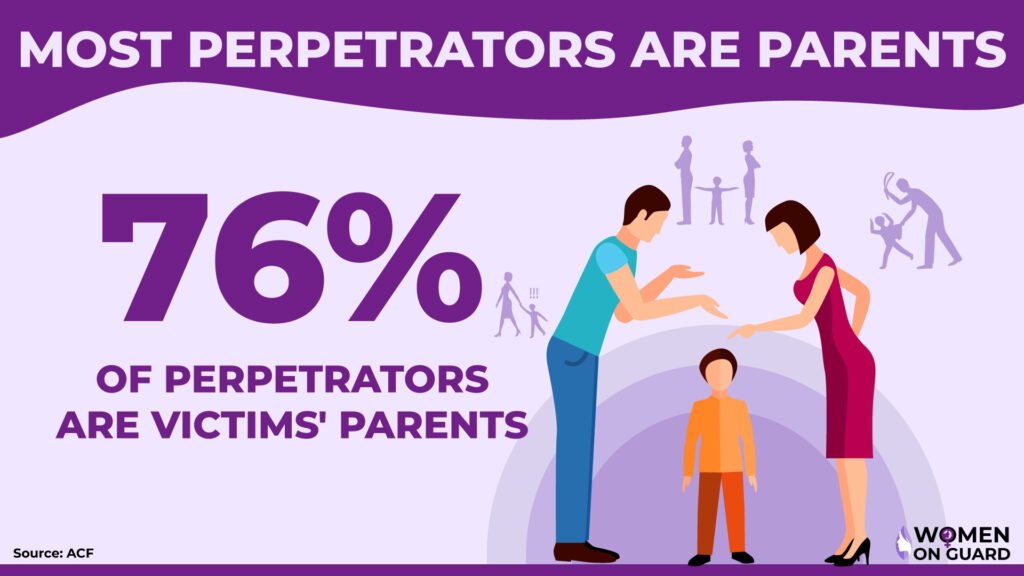
One of the most alarming findings in the report is that nearly 90% of all sexual violence cases occur within the family environment. This type of crime is often highly concealed due to the ‘family shame’ associated with it, making it extremely difficult for child victims to seek external help.
How to Recognize a Child’s Cry for Help
Child psychologists and the Albores Foundation advise the public, especially parents and teachers, to pay close attention to unusual ‘distress signals’ a child might display. High priority should be given when a child exhibits the following behavioral or physical changes:
- Sudden changes in eating habits: Unexplained loss of appetite, anorexia, or binge eating.
- Sleep disturbances: Manifesting as insomnia, frequent nightmares, or waking up startled at night.
- Abnormal social behavior: Suddenly becoming withdrawn, unsociable, or experiencing drastic changes in relationships with friends and family.
- Fear of a specific person: Showing intense fear, avoidance, or an emotional freeze response when encountering a particular family member or acquaintance.
Official Interventions and Social Defense Lines
To address this severe challenge, Murcian authorities have launched several intervention programs. Two core projects include:
- Project Luz (Proyecto Luz): Specifically designed to provide psychological rehabilitation support for minors who have suffered sexual abuse and their families. In 2025, it assisted 337 victims.
- Sapmex Support Program: Offers psychological assistance to children who have witnessed or experienced gender-based violence (against their mothers). Last year, the program served 876 children.
Regarding the detection channels for these cases, over half (more than 50%) are first identified by the police. This is followed by schools and medical institutions, highlighting the crucial role teachers and doctors play in identifying and reporting abuse, acting as the first line of social defense for child protection.
