Spain’s two main trade unions, UGT FICA and Comisiones Obreras (CC.OO.), have officially announced plans to organize a nationwide strike for gas station workers during the 2026 May Day long weekend. The action is expected to pose a severe challenge to Spain’s holiday transportation system.
Strike Timed for Peak Holiday Travel
The strike action, according to the unions’ announcement, has been strategically planned to maximize its impact on traffic flow. The specific schedule is as follows:
- First Wave: Scheduled for Thursday, April 30, on the eve of the holiday, from 12:00 PM to 4:00 PM, covering the period of mass exodus.
- Second Wave: Scheduled for Sunday, May 3, for a full 24 hours, directly impacting the peak of return travel.
This nationwide strike will affect the vast majority of gas service points, with the exception of a few unattended stations.
Core Demands: Wage Increases and Inflation Protection
The immediate trigger for the strike is the collapse of negotiations over the collective agreement. The unions state that after months of talks, the employers’ association not only withdrew some of its previous commitments but also presented an “unacceptable” and regressive economic proposal. The unions argue that this proposal fails to protect employees’ purchasing power, especially against the backdrop of high fuel prices and substantial corporate profits.
The unions’ core demands include:
- Minimum Annual Salary Increase: A minimum annual pay rise of no less than 2%.
- Inflation Safeguard Clause: Ensuring wage growth is linked to inflation, specifically “actual CPI + 0.5%”.
- Improved Working Conditions: Substantial progress in reducing working hours and increasing allowances.
Traffic Alert: Queues and Fuel Shortages Expected
For those planning to drive during the May Day holiday, this strike will cause significant inconvenience. Although unattended self-service gas stations will remain operational, they are expected to experience long queues due to concentrated demand. More seriously, the strike could disrupt fuel transport and supply chains, leading to a situation where some gas stations run out of fuel entirely.
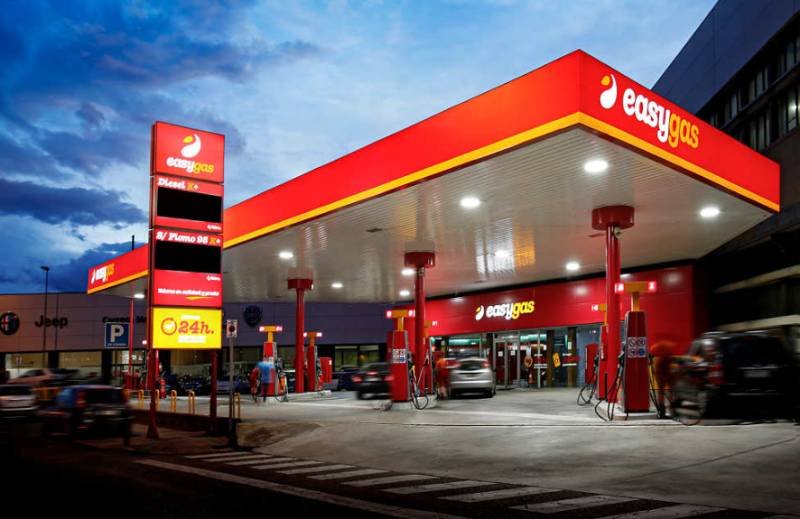
Traffic authorities and industry observers worry that the strike will trigger widespread traffic congestion, particularly on major highways and at city entry/exit points. Drivers with travel plans are advised to monitor the situation closely and consider filling up their tanks in advance or adjusting their travel schedules.
Government May Issue Minimum Service Order
Facing the possibility of a transportation standstill, the Spanish government is expected to intervene. If the labor and management sides fail to reach an agreement before the deadline, the government may issue a “minimum services order” (servicios mínimos), compelling some strategically located gas stations to maintain basic operations to guarantee services for emergencies and some public needs. However, the unions warn that even with a minimum services order, these designated stations could still run out of stock if the fuel supply chain is interrupted by the strike.
