Dietary rules in Spain have undergone a major update. The Spanish Society of Community Nutrition (La Sociedad Española de Nutrición Comunitaria, SENC) recently published its latest dietary guidelines, revising several traditional dietary recommendations. Among them, the conclusion about eggs is particularly noteworthy, officially overturning the long-held belief linking them to cardiovascular disease risk.
Vindicating Eggs: Intake Recommendations for Different Activity Levels
For a long time, eggs have been controversial due to their cholesterol content. However, SENC’s latest guide explicitly states that for healthy individuals, eating eggs does not directly increase cardiovascular risk. This conclusion effectively vindicates eggs.
The guide further provides specific quantitative intake recommendations, differentiating the population by activity level:
- Active individuals: Recommended to eat 6 to 7 eggs per week.
- Sedentary individuals: Recommended to eat 3 to 4 eggs per week.
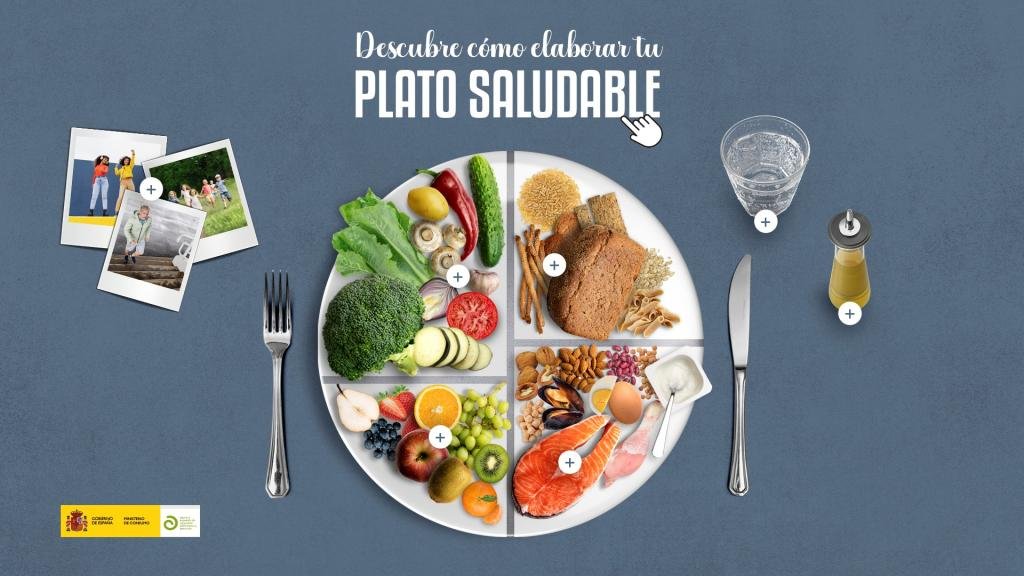
The organization emphasizes that the focus of nutrition is not simply to classify foods as ‘good’ or ‘bad,’ but on the overall balance of the diet, method of consumption, and quantity.
Red Meat Limits and Specifics on Fish Intake
The new guide also offers more detailed guidance on animal protein intake:
- Red meat: Consumption should be controlled, with a recommendation of no more than 1 to 2 servings per week.
- Processed meats: Such as sausages and bacon, should be strictly limited to a maximum of once per week.
- Fish: Recommended 2 to 4 times per week. The guide advises alternating between oily fish and leaner white fish, while also warning about potential risks of high mercury levels and parasites in certain types of fish.
Rethinking Drinks: Water is Key
Regarding beverages, the new guide’s position is very clear, placing water (Agua) as the undisputed top choice.
The priority of other drinks has been downgraded, including those previously considered relatively healthy like fruit juices, dairy-based drinks, and various plant-based milks. For controversial alcoholic beverages, such as wine and beer, the guide adopts a more cautious stance, emphasizing the ‘the less, the better’ principle and advising ‘cautious and moderate’ consumption.
Overall, this guide from SENC is seen as a significant step for the Spanish nutrition community, moving away from a mindset of ‘dietary prohibitions’ towards promoting a ‘scientific, balanced, and holistic’ nutritional concept. It provides a more modern and scientific reference for the public’s daily diet.
