The Triple Motivation: Safety, Environment, and Energy
Spain’s traffic authorities are pushing to lower highway speed limits based on three core considerations:
Improving Traffic Safety: Data from Spain’s General Directorate of Traffic (Dirección General de Tráfico, DGT) indicates that reducing speed by 20 km/h can significantly decrease the probability of serious traffic accidents.
Fulfilling Environmental Commitments: To meet climate goals set by the European Union, Spain is seeking effective ways to reduce carbon dioxide emissions. Following discussions in countries like Germany about using speed limits to control emissions, it is highly likely that Spain will adopt a similar policy.
Addressing the Energy Crisis: In light of recent global oil supply pressures caused by tensions in the Strait of Hormuz, the International Energy Agency (IEA) has recommended that member countries save fuel by reducing highway speeds. Studies confirm that for every 10 km/h reduction in speed, a vehicle’s fuel consumption drops noticeably.
Pilot Programs in Some Regions
The move to lower highway speed limits to 100 km/h is not just theoretical; several autonomous communities in Spain have already begun implementing related regulations. These pilot projects serve as a reference for a potential nationwide policy:
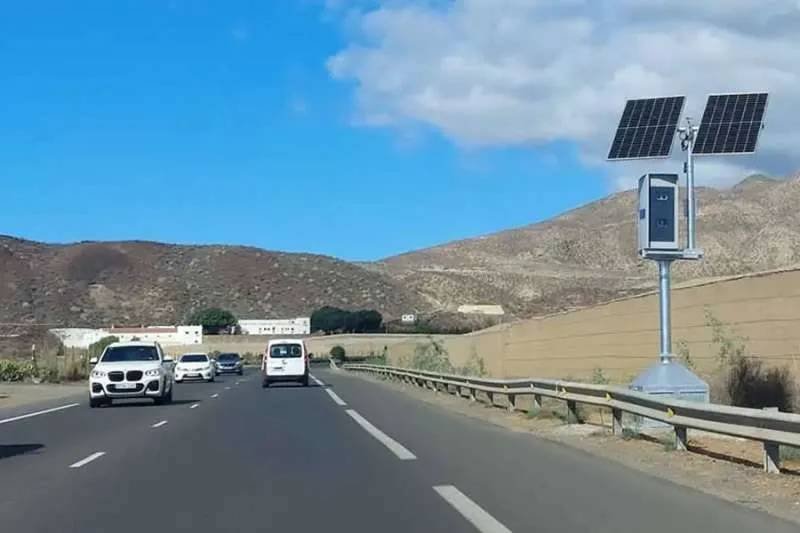
- Catalonia (Cataluña): On the AP-7 highway, a key route connecting Spain and France, a dynamic speed limit system has been activated. This system can lower the speed limit at any time based on real-time traffic flow and weather conditions.
- Galicia: Speed limits have been lowered on sections of the AG-55 highway.
- Basque Country (País Vasco): Some sections of the AP-8 highway have also seen their 120 km/h maximum speed limit adjusted to 100 km/h or lower.
A Historical Precedent for Slower Speeds
Looking back, this isn’t the first time Spain has implemented speed reductions to cope with major crises.
- 1976: In response to the first global oil crisis, Spain lowered the national highway speed limit to a historic low of 100 km/h.
- 2011: Due to soaring international oil prices, the Spanish government temporarily reduced the maximum speed limit from 120 km/h to 110 km/h. Although this temporary measure lasted only a few months, it achieved significant results in energy conservation.
Unlike past temporary measures, analysts suggest that given the current long-term pressures related to safety, the environment, and energy, this 100 km/h speed limit adjustment is highly likely to transition from a temporary initiative to a permanent standard.
