Spanish Police Warn of New ‘Like-for-Pay’ Scam Spreading on WhatsApp
Spain’s National Police (Policía Nacional) has issued a public warning about a new type of cyber scam spreading nationwide. The scheme primarily operates through the instant messaging app WhatsApp, where criminals pose as recruiters, luring victims with fake job opportunities that involve ‘earning money by liking social media content.’
The Scam’s Alluring Start: A Message from a ‘Recruiter’
The scam typically begins with a seemingly harmless WhatsApp message. Cybercriminals contact potential victims, claiming to be representatives of a company working with major brands to boost their online presence. They offer a simple ‘onboarding test,’ such as liking a specific Instagram post, and promise a small payment of around 5 euros upon completion.
To make the offer more tempting, these messages often promise unrealistically high returns, claiming that after the initial test, daily earnings can easily reach between 50 and 600 euros, or even more. The messages originate from a variety of numbers, including international ones from countries like the UK, Libya, Guatemala, Bangladesh, or Togo, as well as Spanish local numbers.
The Trap: From Small Rewards to Major Losses
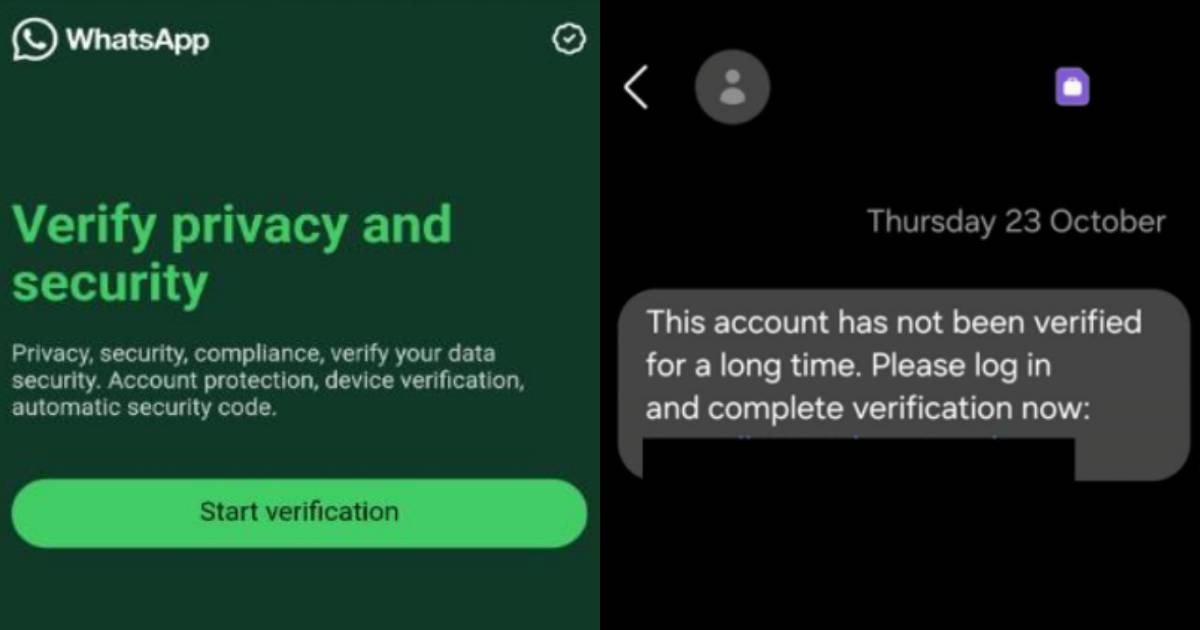
This seemingly easy way to make money is actually a well-designed trap. The ultimate goal is not to provide a job but to steal the victim’s personal banking information or directly defraud them of large sums of money. After building initial trust with small payments, the scammers will ask for more personal information and bank account details for various reasons, or trick them into ‘investing’ in a designated account for higher returns.
According to information released by the National Police, the scam has already caused significant financial losses for many. In some extreme cases, victims have lost as much as 18,000 euros in just two days. This shows that once a victim is drawn in, their financial situation is at severe risk.
Warning! Victims Can Unknowingly Become Accomplices
Beyond direct financial losses, the Spanish police have highlighted a serious legal risk. In some stages of the scam, criminals may use one victim’s bank account to receive or transfer funds scammed from another victim.
From a legal standpoint, this could lead to the account holder being considered a ‘necessary collaborator’ (cooperador necesario) in the fraud, even if they were unaware. This means that innocent victims might not only lose their money but could also face criminal charges and become entangled in complex legal proceedings.
How to Identify and Prevent This Scam
Faced with the rise of cyber scams, the Spanish police urge the public to remain highly vigilant. Be wary of any part-time or full-time job offers that promise ‘easy, high-paying’ work through unofficial channels. When communicating with unknown contacts, never share personal identity information, bank card numbers, passwords, or online banking credentials. The best course of action for suspicious messages from unknown international or local numbers is to ignore and report them to avoid falling into the criminals’ trap.
