Having been in Spain for a few years, I’ve noticed many friends and junior peers applying for master’s degrees. Recently, I’ve discovered that beyond the commonly sought-after official master’s programs, there’s another track in Spain: elite master’s programs. These programs, part of what could be called Elite Education in Spanish Universities, might not be as widely known to the general public, but they are undoubtedly at the pinnacle of academia.
These programs aren’t ‘elite’ in name only; they are genuinely rigorous. For instance, most are offered by top business or engineering schools, featuring extremely low acceptance rates and demanding very high standards for applicants’ backgrounds, language skills, and work experience. Furthermore, their curriculum is incredibly practical and aligned with current industry needs. Many professors are corporate executives themselves, providing unparalleled networking opportunities. In essence, completing one of these programs is designed to mold you into a top-tier professional in your field.
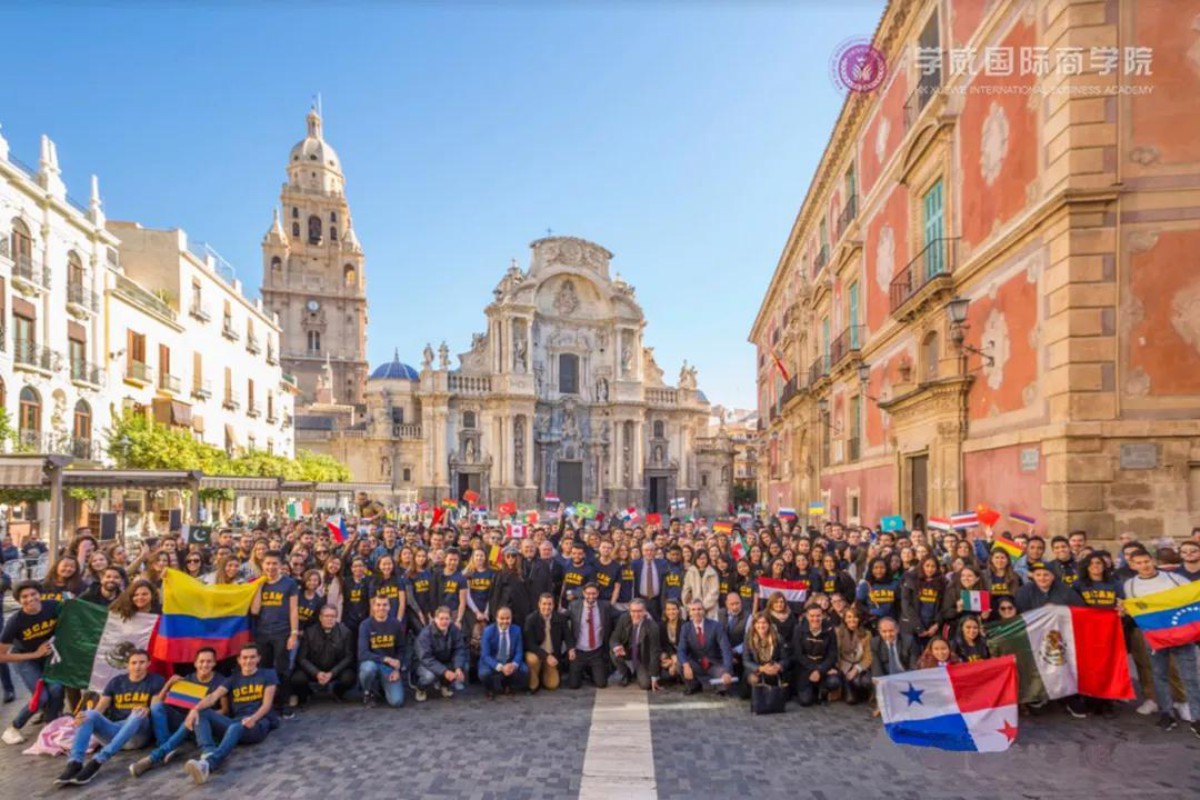
Which Universities Offer These Programs?
In fact, many top universities have their own flagship programs, especially in business, finance, and technology. To get the conversation started, I’ve put together a few that are frequently discussed:
| University/Business School | Key Strengths | Program Highlights |
|---|
| IE Business School | General Business, Entrepreneurship | Highly international, case-study method, powerful alumni network |
| ESADE Business School | Marketing, Finance | Strong corporate ties, numerous dual-degree options |
| IESE Business School | MBA, Management | Harvard case method, focus on leadership development, high world rankings |
| Universidad Carlos III de Madrid (UC3M) | Finance, Economics | Academically rigorous, strong in quantitative analysis, highly regarded by the financial sector |
Of course, this is just the tip of the iceberg. Programs like Economics at Pompeu Fabra University and certain engineering programs at the Polytechnic University of Madrid are also exceptionally strong.
However, it’s important to note that these programs aren’t without their downsides. The two most immediate challenges are: Cost and Difficulty. Tuition fees can easily run into tens of thousands, or even over a hundred thousand, euros. The application difficulty is comparable to top UK/US universities, and the academic pressure is immense. Simply coasting through to get a diploma is out of the question. Therefore, it’s crucial to carefully consider your career goals and financial situation before choosing this path.
If you have clear goals, budget is not a concern, and you want to specialize in a specific field to land a job at a top company right after graduation, then these elite master’s programs are definitely worth aiming for. However, if your main goal with Elite Spanish Universities is simply to earn a diploma and experience life abroad, a standard official master’s program might offer better value for money. Does anyone have more to add about these types of programs? Or perhaps some current students could share their firsthand experiences? Feel free to leave your comments and join the discussion below!
