Introduction
Recent data shows Spain’s economy performing strongly on a macro level, yet many people feel the increasing pressure of living costs. This common ‘perception gap’ stems from a counter-intuitive economic reality: while individual wage purchasing power is shrinking, the average net income of Spanish households is actually increasing, even outpacing inflation.
Individual Wages: The Reality of Lagging Behind Inflation
According to data from the Organisation for Economic Co-operation and Development (OECD), the average net wage in Spain is projected to be €24,985 in 2025. However, when looking back to 2019, persistent inflation has eroded the real value of these wages. Compared to 2019, the real purchasing power of the average salary has decreased by approximately 4.3%. This means that even if the numbers on their payslips are rising, employees can buy fewer goods and services with the same amount of money, which is the direct reason many people feel they are struggling more financially.
Household Income: The Bigger Picture of Growth
In stark contrast to the plight of individual wages is the growth in total household income. Statistics from Spain’s National Statistics Institute (INE) show that in 2024, the average net income for a Spanish household reached €38,994. Crucially, after adjusting for inflation, this figure still represents a real increase of about 7% compared to 2019. This indicates that, from a macroeconomic perspective, the financial situation of Spanish households as a whole has not worsened but has actually improved.
Structural Shifts: The Drivers Behind the Contradiction
This paradoxical phenomenon of ‘poorer individuals, richer households’ is primarily driven by two major structural factors:
First is the strong support from pensions. Spain’s pension system is linked to inflation, with the government adjusting payments based on price increases. This effectively protects the purchasing power of the large retiree population and stabilizes the income base for many households.
Second is the significant recovery of the job market. Since the pandemic, Spain’s employment situation has greatly improved, with over 2.4 million new jobs created and the number of unemployed people falling by about 640,000. This means many households have shifted from having ‘no income’ or a ‘single income’ to becoming ‘dual- or multi-income households,’ thereby significantly boosting the overall household income level.
Expert Perspective: The Gap Between Macro Data and Individual Experience
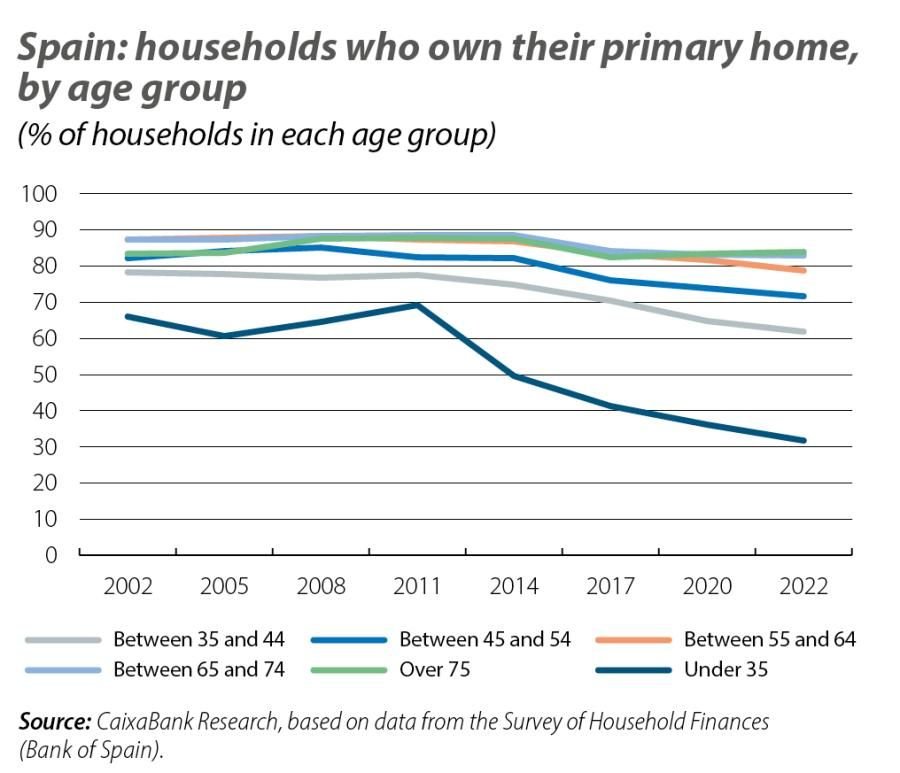
Although macroeconomic data at the household level is positive, economists caution that this does not equate to a complete easing of financial pressure for the general public. For individuals still active in the workforce, wage stagnation or decline is a daily reality. Furthermore, sharp increases in core living costs such as housing prices, rent, and energy have further exacerbated the financial strain on the working population.
Therefore, there is a clear ‘perception gap’ between macroeconomic improvements and the lived experiences of individuals. This disparity highlights the uneven nature of the economic recovery, and bridging this gap between data and personal reality is expected to remain a key focus of public debate in Spain for the foreseeable future.
