Total and Per Capita Deposits Both Hit Record Highs
According to the latest data released by the Bank of Spain (Banco de España) for the end of 2025, total deposits from households and businesses in the province of Alicante reached €43.032 billion, an increase of €2.211 billion compared to 2024. Thanks to a strong job market and economic activity, the per capita deposit amount also set a new record, reaching €20,732. This figure reflects an enhanced savings capacity driven by nominal income growth amidst inflation.
Shift in Savings Preferences: Current Accounts Become the Norm
Data shows a significant shift in the savings habits of Alicante residents. Term deposits, which had a brief resurgence in 2024 due to rising interest rates, shrank again in 2025, with the year-end balance falling to €5.378 billion, a decrease of €686 million. Meanwhile, a large volume of funds flowed into more liquid current accounts, totaling €37.63 billion. This shift is related to banks adjusting their strategies, competing for customers by offering more attractive current account products to meet depositors’ preference for liquidity.
Private Debt Rebounds: A Sign of Recovery and Household Stress
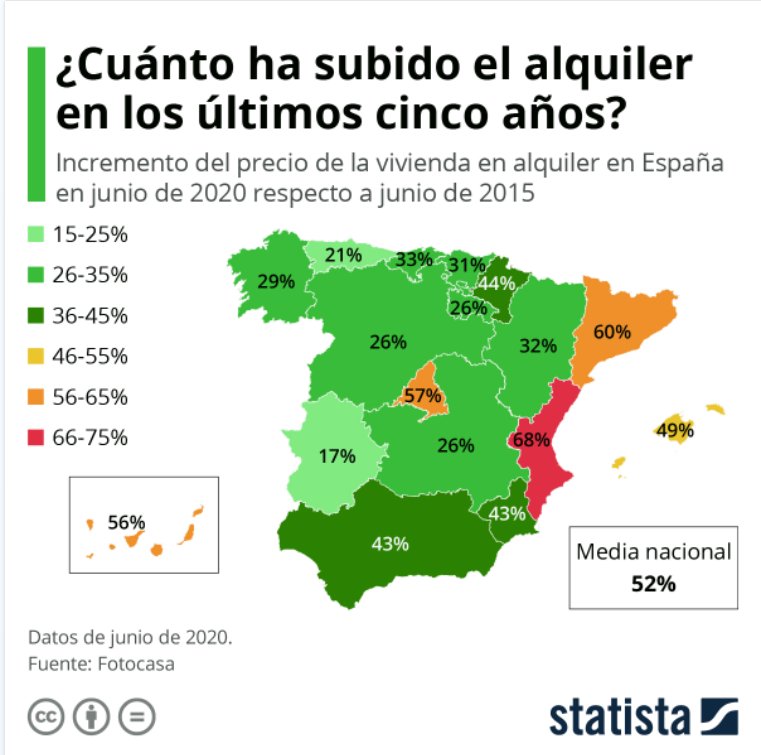
Alongside the increase in deposits, the balance of private loans in the province of Alicante has also rebounded, reaching €32.474 billion. This phenomenon has a dual interpretation: on one hand, the rise in corporate lending could signal production expansion and a recovery in investment confidence, a positive sign for the economy. On the other hand, the increase in household debt, especially against the backdrop of high housing costs, may mean that many families are forced to borrow to cover living expenses, increasing their financial pressure.
“Property Divide” Deepens Social Stratification
The current economic landscape highlights a central conflict: property ownership has become the dividing line for household financial well-being. Homeowning families not only benefit from asset appreciation but also exhibit a stronger capacity to save. In contrast, renting households face the double squeeze of rising rents and reduced disposable income, with some even forced to take on debt to get by, falling into financial hardship. This “property divide” is exacerbating economic inequality within society.
Macro Perspective: Debt Levels Remain in a Historically Safe Zone
Although private debt has rebounded, from a macroeconomic perspective, the current level is still far below its historical peak. Compared to the period of the 2008 real estate bubble burst, the total debt at that time was close to €57 billion and included a large volume of non-performing mortgages. Alicante’s current overall debt structure is comparatively healthier, with lower systemic risk.
