San Javier Issues New Regulations, Freezing Residential Projects
La Manga del Mar Menor, a major coastal resort in Spain’s Murcia region, is facing a profound shift in its urban development model. According to a decision announced by San Javier’s mayor, José Miguel Luengo, on April 24, 2026, the city council will officially amend Subsidiary Norm No. 79 of its urban plan to prohibit the construction of any new residential buildings in the area of La Manga under San Javier’s jurisdiction.
The ban covers the stretch from kilometer 4 to kilometer 19 of La Manga. Once the new regulation takes effect, 100,000 square meters of land, originally planned for the construction of approximately 4,000 homes, will be rezoned.
The ‘Ghost Town’ Crisis: An Unbalanced Urban Model
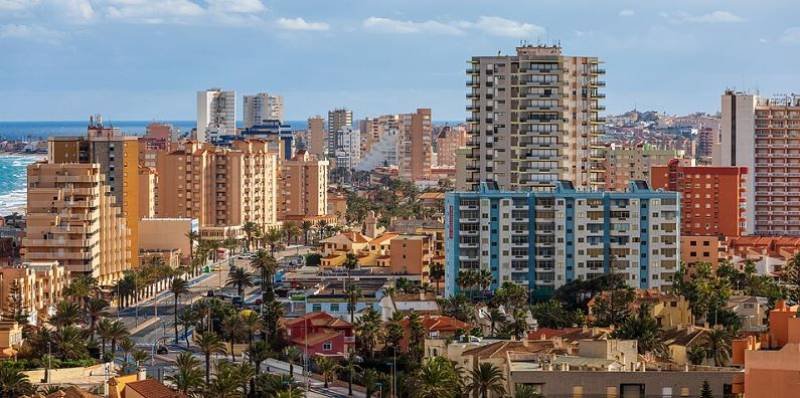
This drastic policy change aims to address La Manga’s long-standing ‘ghost town’ problem. Data shows the area currently has 20,403 housing units but only 3,000 permanent residents, compared to just 4,000 official tourist beds. This severe imbalance results in high vacancy rates for most of the year.
Mayor Luengo pointed out that the lack of steady visitor flow and a permanent population makes it difficult for local restaurants, businesses, and public services to survive during the off-season. “La Manga needs more tourism activity and more sustainable economic vitality, which the current real estate model cannot provide,” he emphasized.
The Blueprint: From Seasonal Homes to Year-Round Tourism
Under the new plan, San Javier’s goal is to completely shift its development focus from seasonal second homes to a high-quality, year-round tourism model. To achieve this, the total buildable area on undeveloped land will be reduced by nearly 30%, from 416,000 to 317,000 square meters.
This remaining land will be strictly designated for the construction of hotels, tourist apartments, and related service facilities. The government hopes this measure will increase the total number of hotel and tourist beds in the area to 16,000, attracting major international tour operators and creating more stable, sustainable jobs and economic returns. With 80% of La Manga’s land already developed, the remaining 20% is seen as the last chance to achieve this strategic transformation.
Legal Safeguards and Market Impact
To address potential claims from landowners, the San Javier city council has commissioned a team of experts to prepare detailed technical and legal reports, emphasizing that this planning change is based on ‘public interest.’ The mayor believes that La Manga’s unique natural environment offers immense potential for tourism, far exceeding that of simple real estate development.
It is worth noting that the entire La Manga strip is co-governed by several municipalities. Currently, this ban is limited to the jurisdiction of San Javier; other municipalities have not adjusted their planning policies in tandem.
