UAE to Exit OPEC, Creating Uncertainty in Global Energy Markets
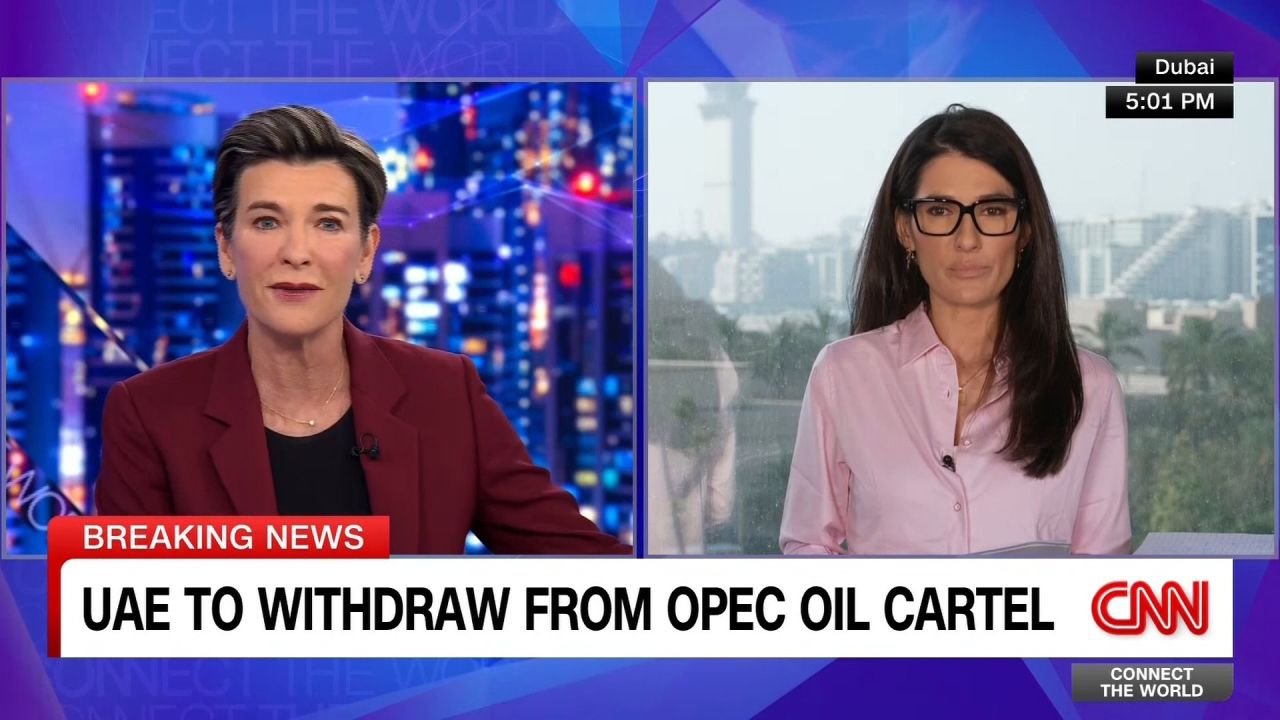
The United Arab Emirates announced on Tuesday that it will officially withdraw from the Organization of the Petroleum Exporting Countries (OPEC) and the ‘OPEC+’ alliance, which includes Russia and other nations, effective May 1. As OPEC’s third-largest oil producer, the UAE’s move poses a significant challenge to the organization’s stability and market influence.
UAE officials attribute the withdrawal to their long-term energy strategy and economic development plans, stating a desire to be free from production quotas to expand their crude oil capacity independently. In recent years, disagreements between the UAE and Saudi Arabia over key policies, such as production allocations, have intensified, and this decision is seen as a public manifestation of their conflict. The announcement comes amid heightened tensions in the Strait of Hormuz, which are already straining global crude supply chains. Market analysts widely fear that the UAE’s exit will weaken OPEC’s ability to regulate international oil prices, potentially triggering a new round of market volatility and reshaping the supply landscape.
Germany Launches Welfare System Reforms to Address Fiscal Pressure
To tackle its growing fiscal deficit and the strain on its social security system, the German government on Tuesday officially launched a large-scale reform involving cuts to its welfare state system. The reform focuses on three key areas: healthcare, pensions, and social assistance.
Under the reform plan, the German government will cut approximately €20 billion in public spending on health insurance by optimizing service delivery and adjusting coverage. The pension system will undergo structural changes to encourage and strengthen the role of private pensions. Additionally, the current citizen’s allowance system will be transformed into a basic security net, incorporating stricter employment incentives and requirements. The German government emphasizes that the reform aims to ensure fiscal sustainability and stabilize social insurance contribution rates, but the plan has sparked concerns from opposition parties and some citizens, who fear the cuts will impact the basic living standards of vulnerable groups.
Adamuz Train Accident Investigation: New Evidence Points to Track Fracture
There has been a major breakthrough in the investigation into the serious train accident in Adamuz, in the province of Córdoba, Spain. Investigators have released video footage from inside the affected train, which clearly shows intense vibrations and sparks in the carriage before the accident, confirming the critical situation where passengers were unable to keep their balance. This new evidence is highly consistent with the physical process of a derailment.
The investigative body’s analysis indicates that the crucial moment of the accident occurred around 7:43 PM, when the sixth carriage of the train derailed after passing over a fractured point in the track, ultimately colliding with a train traveling in the opposite direction. As operational data from before the incident showed no significant mechanical failures, investigators have preliminarily identified a ‘track fracture’ as the cause of the accident. The tragedy, which has resulted in 46 fatalities and over 150 injuries, is still under thorough investigation. Authorities are awaiting judicial authorization to conduct detailed technical tests on the track materials involved to determine the specific cause of the fracture.
Alicante School Drug Case: 14-Year-Old Girl Arrested for Alleged Dealing
Recently, a drug-related case involving minors has emerged at a secondary school in the Alicante region, where a 14-year-old female student was arrested for allegedly selling a drug known as ‘pink cocaine’ (tusi) to her classmates. The incident originally occurred in March, and after the police’s juvenile affairs unit intervened, it was discovered that two other students at the school were also involved in using the drug.
The expanding investigation also led to a 17-year-old minor, who is believed to be the supplier of the drugs in this case and has also been arrested. The students involved are mainly in their second and third years of secondary school. The 14-year-old girl has been referred to the juvenile prosecutor’s office and temporarily placed in the custody of her parents. Authorities have stated that the case is still under investigation and that they are paying close attention to the problem of drug proliferation in schools.
Bank of Spain Recommends Keeping Emergency Cash on Hand
According to a new study on payment habits released by the Bank of Spain, people in Spain carry an average of about €45 in cash daily. This amount is only half of the officially recommended reserve. The Bank of Spain advises every citizen to keep between €70 and €100 in cash at home or on their person to cope with unexpected crises, such as last year’s nationwide power outage.
The report analyzes that as electronic payment methods become more widespread, the use of cash in daily life has significantly declined. However, in extreme situations like power outages or network disruptions, all electronic payment systems could fail, making cash the only available means of payment. Therefore, the Bank of Spain emphasizes that while digital payments are the future, maintaining a certain amount of physical currency as an emergency reserve remains crucial for ensuring basic personal security.
