Orange Alert in Madrid: Localized Torrential Rain and Hail Possible
According to the latest forecast from Spain’s State Meteorological Agency (AEMET), weather conditions in the capital Madrid and surrounding areas are becoming unstable, with an official orange alert issued for heavy rain. Skies are expected to be mostly cloudy or overcast, with convective activity significantly increasing in the afternoon.
Specifically, morning rainfall will be scattered and light. However, from midday onwards, the coverage and intensity of the rain will rapidly increase, potentially escalating to heavy downpours or even torrential rain in localized areas, highly likely accompanied by thunderstorms and hail. Additionally, due to Saharan dust in the atmosphere, some precipitation may fall as ‘mud rain’. Temperatures are set to drop, with a more pronounced decrease in the southern regions.
Severe Convective Weather to Sweep Across Most of the Iberian Peninsula
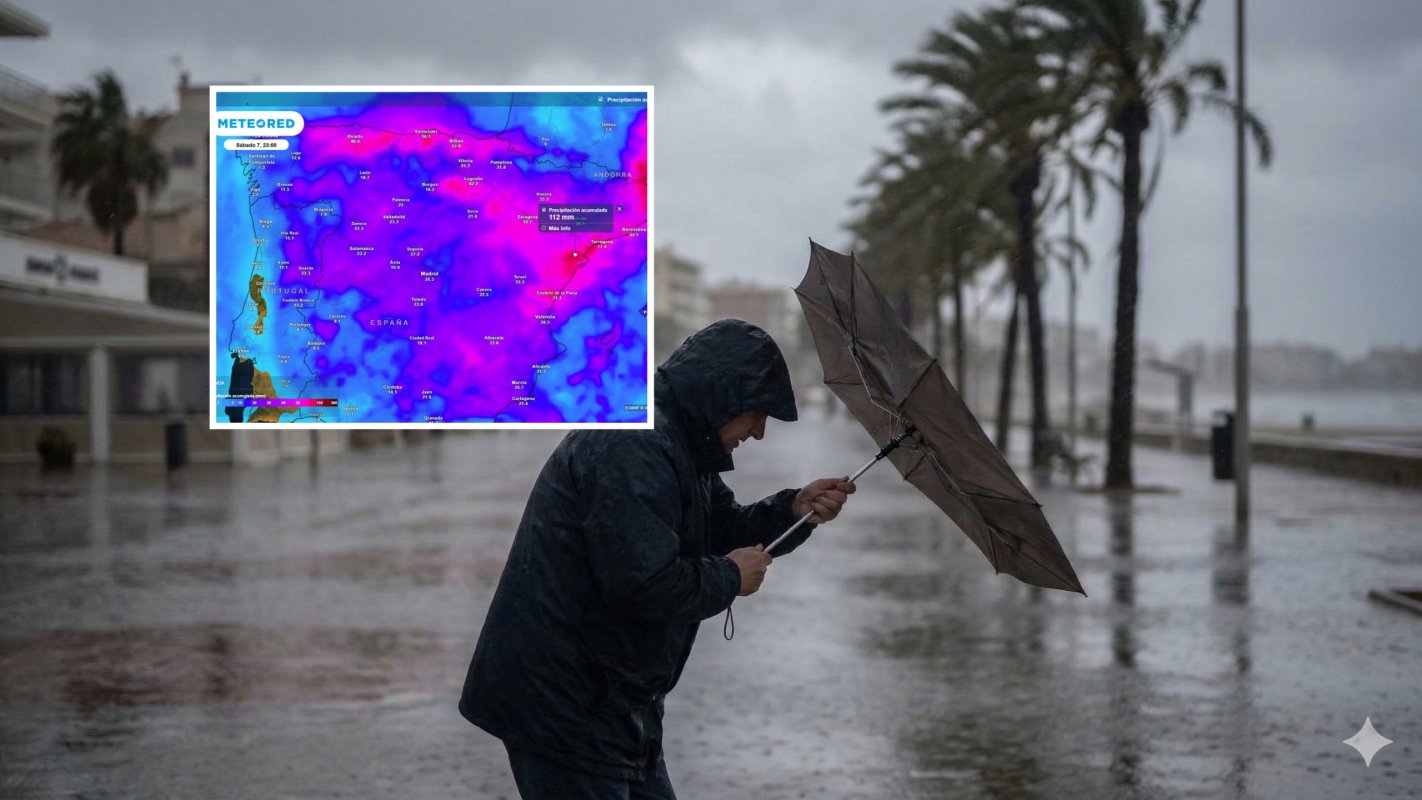
This bout of unstable weather is not limited to Madrid, affecting the vast majority of the Iberian Peninsula. From the early morning, showers and thunderstorms are expected to begin in the central and western parts of the peninsula, as well as along the Cantabrian coast, spreading to wider areas in the afternoon as convection intensifies.
In the afternoon, the convective weather in Galicia, Castile and León, Extremadura, Castile-La Mancha, and Madrid could develop into severe thunderstorms, accompanied by hail and strong gusts of wind. Similar meteorological risks are also faced by the Iberian System mountain range, the middle and upper Ebro basin, and the Cantabrian region.
East-West Weather Divide with Significant Temperature Fluctuations
In contrast, the eastern coast and the southernmost tip of the peninsula will be less affected by this weather event, with a lower probability of rain. The weather in the Balearic Islands is also expected to be relatively stable. The Canary Islands will see mostly cloudy skies with a chance of isolated showers.
Temperature-wise, there will be noticeable regional differences. Maximum temperatures will rise in the Balearic Islands, Melilla, the southeastern peninsula, and the eastern Cantabrian region. However, temperatures will fall in the western Cantabrian region, the Ebro basin, and along the Atlantic coast, with the most significant drop in the central-western part of the peninsula. The public is advised to stay updated with the latest weather information and prepare for potential sudden weather changes.
