A tragic case in the Valencian Community, resulting from inefficiencies in the public healthcare system, has sparked widespread public debate after being disclosed in a report by the Valencian Legal Advisory Council (Consell Jurídic Consultiu, CJC).
A Long Wait: 514 Days from Initial Visit to Diagnosis
The ordeal began in January 2022, when a patient sought help from his family doctor for a health issue and was given an urgent referral to a urologist. However, over the next 17 months, despite repeatedly returning to the clinic to inquire and press for an appointment, he was never scheduled to see the specialist. The public health administration system failed to arrange his consultation during this entire period.
Finally, in May 2023, unable to endure the wait any longer, the patient went to the hospital on his own initiative and was finally able to see a urologist. By this time, a full 514 days had passed since he first received his referral.
Worsening Condition: A Missed Window for Treatment
The delayed diagnosis was devastating. Tests revealed the patient’s Gleason Score was as high as 8-10, indicating he had developed high-risk, aggressive prostate cancer. Having missed the crucial window for early intervention, the patient was forced to undergo extreme treatments, including chemical castration, to control the spread of the cancer.
The patient argued that the organizational chaos, negligence, and lack of coordination within the healthcare system directly caused the deterioration of his condition, leading to immense physical and psychological suffering, including severe depression and anxiety.
A Controversial Ruling: €3,000 Awarded Out of a €36,000 Claim
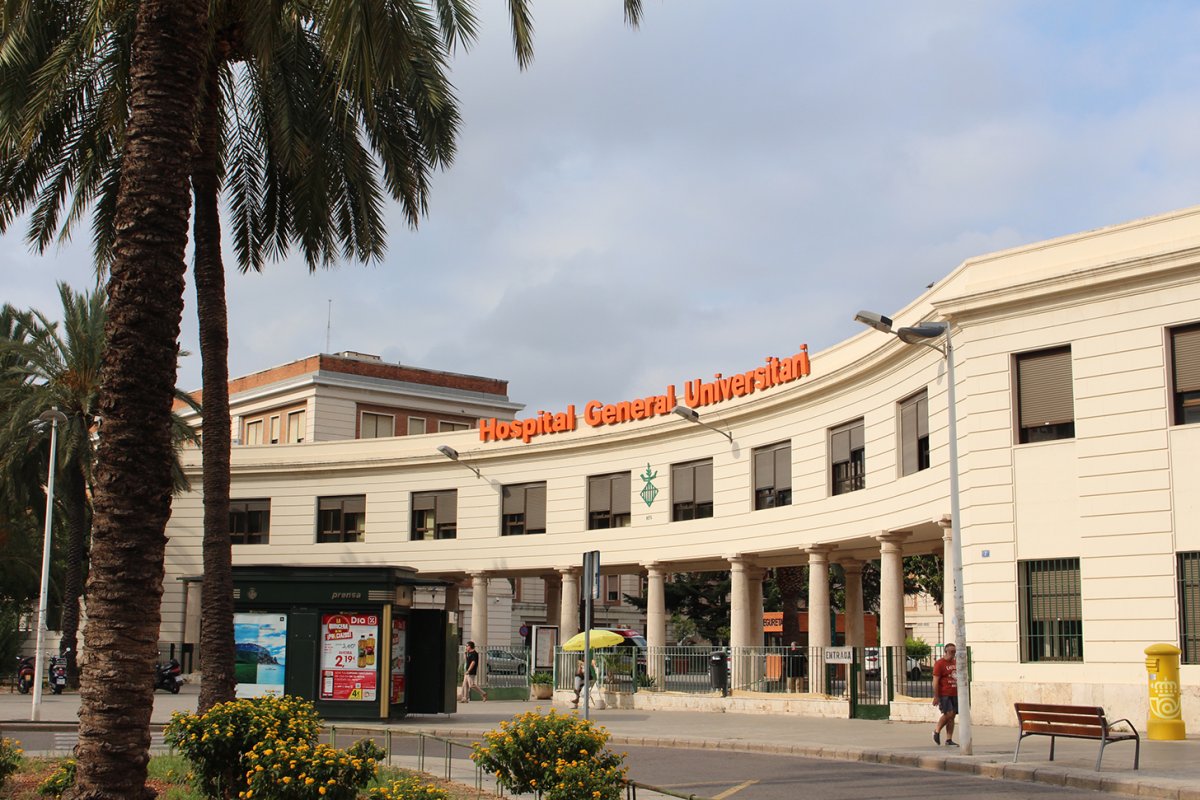
Based on the damages suffered, the patient filed a compensation claim for €36,000 against the Valencian health department. After reviewing the case, the Valencian Legal Advisory Council explicitly acknowledged in its official report that there was an ‘inexcusable delay’ and ‘improper functioning of the organization’ on the part of the health administration.
However, the council’s final ruling was starkly different. The report concluded that while the delay at the primary care level was unacceptable, the subsequent medical procedures and treatments were standard once the diagnosis was made. Therefore, the council limited the compensation to the ‘moral damages’ (daño moral) caused by the delay itself, ultimately ordering the health department to pay the patient just €3,000. This amount falls far short of the patient’s actual damages and expectations, and once again highlights issues with efficiency and accountability within Spain’s public healthcare system.
