Recent data has drawn significant attention to the Salave gold mine in Spain’s northern region of Asturias, noted for its vast gold reserves and deep historical roots.
Europe’s Largest Gold Reserve
According to professional geological surveys, the Salave mine is estimated to hold up to 300 tons of gold. This staggering figure establishes it as one of the largest unexploited gold mines not just in Spain, but across Europe. Based on current market prices, this reserve holds a potential economic value of up to €3 billion, representing a significant strategic asset for both the regional and national economy.
A Mining History Tracing Back to Ancient Rome
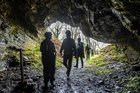
The history of the Salave mine did not begin in modern times. Archaeological evidence indicates that mining activities in the area date back to the Roman Empire. Leveraging their advanced engineering techniques, the Romans conducted large-scale gold extraction operations on this site. Today, the mine still preserves numerous remnants of Roman-era mining, including tunnels, channels, and traces of tools, offering invaluable physical evidence for studying ancient mining technology and the economic activities of the Roman Empire.
Dual Value: Economic and Cultural
The value of the Salave gold mine is twofold, encompassing both economic and cultural aspects. Economically, it represents a vast underground fortune, and its future development could bring substantial economic benefits and employment opportunities to the region. Culturally and historically, it stands as a significant industrial and archaeological site. These Roman-era ruins are a living testament to the history of human mining, possessing high scientific and educational value, while also providing a unique resource for developing historical and cultural tourism in the area.
