Strike Confirmed, Aims for Short-Term Maximum Pressure
Several major teacher unions in the Valencian Community, Spain, including STEPV, CCOO PV, and UGT PV, in collaboration with the Coordinating Committee of Valencian Teachers, have confirmed an indefinite strike for all non-university public education workers, starting May 11.
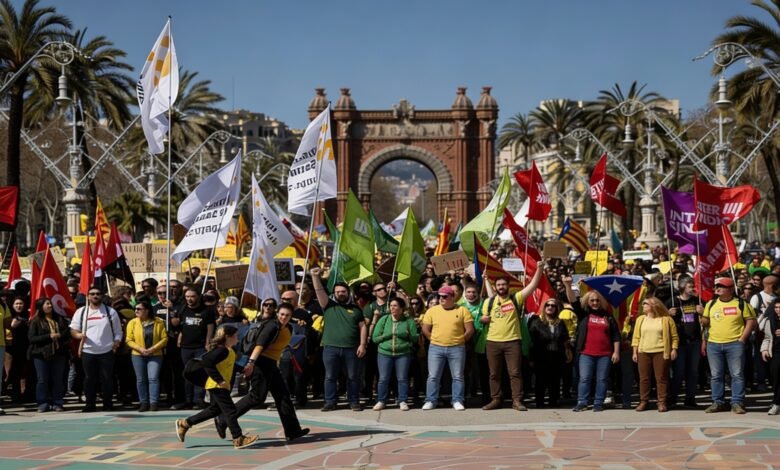
This date received the highest support in a previous survey. The organizers’ strategy is clear: to concentrate efforts in the first week of the strike to apply maximum pressure, compelling the regional government to return to the negotiating table. This approach also considers the financial impact on teachers, who are estimated to lose nearly €200 per day in wages, making sustained high participation a challenge.
Diverse Protest Tactics Target Centers of Power
To maximize impact, the unions plan to hold a large, unified demonstration in the city of Valencia, a shift from previous strategies of scattered actions across the three provincial capitals, which diluted their strength.
Additionally, a series of targeted actions are on the agenda:
- Protests at Government Buildings: Rallies are planned outside the Plaza de Manises and the headquarters of the regional Ministry of Finance (Conselleria de Hacienda) to directly pressure the regional president and officials who have cited ‘budget constraints’ for rejecting salary demands.
- ‘Advocacy Classes’ at School Gates: Teachers will hold classes at school entrances to communicate to the public and parents that they are not abandoning students but are fighting to protect educational rights.
Radical Actions and Potential Challenges
The coordinating committee has also proposed more radical actions, including sit-ins on school grounds and marches from various schools to local education departments. Additionally, they plan to use the public schedules of officials to stage ‘peaceful’ but high-profile protests targeting public appearances by high-ranking figures like President Llorca or Education Minister Ortí, with protesters wearing symbolic yellow vests.
Despite the strike resolution, the action faces internal doubts and legal questions, such as the legality of halting student academic evaluations, especially for the crucial final year of high school. Furthermore, the unions must address challenges like achieving significant support in schools with low teacher participation and whether to adopt protest models from other regions, such as Catalonia.
