Spain’s Workplace Mental Health Crisis Worsens, Affecting Four in Ten Workers
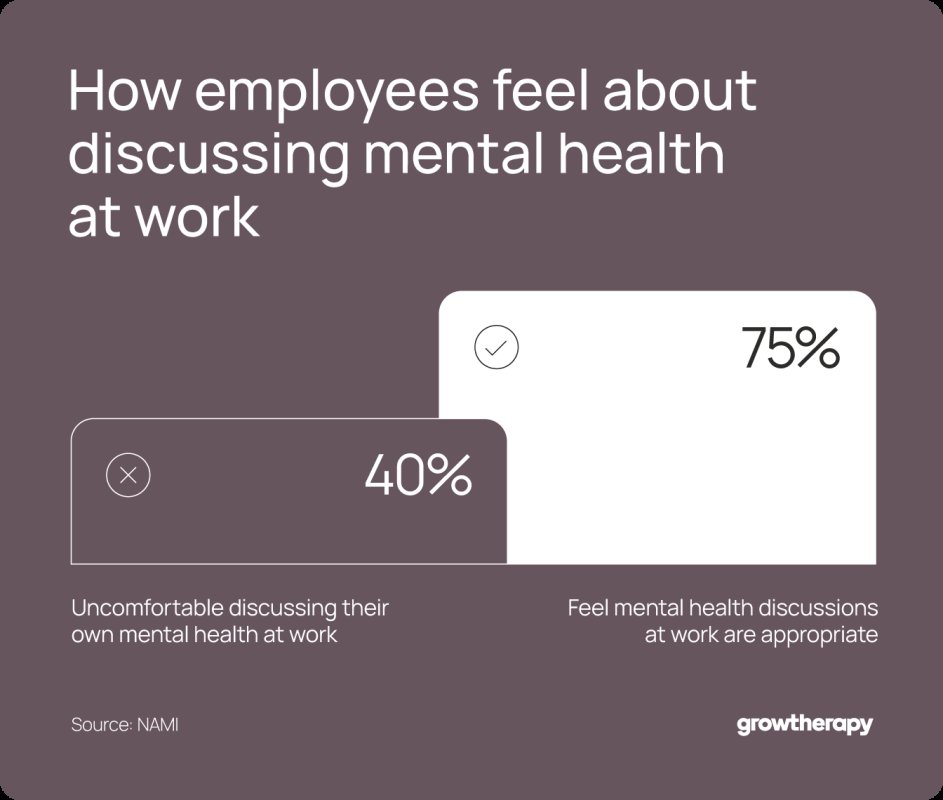
According to the “OSH Pulse 2025” survey report from the European Agency for Safety and Health at Work, workplace mental health in Spain is facing a severe challenge. The data shows that as many as 40% of Spanish employees state their mental health problems stem from work-related stress. This figure not only reveals the prevalence of the issue but is also significantly higher than the EU average of 29%, indicating that workplace stress in Spain has become a structural problem in urgent need of a solution.
An Economic Toll of €60 Billion Annually
The deterioration of workplace mental health is dealing a heavy blow to Spain’s socio-economic landscape. Statistics show that mental illnesses triggered by stress, depression, and anxiety have become the second leading cause of employee sick leave. The resulting direct and indirect economic costs are staggering, causing losses of up to €60 billion annually for Spain. Unions point out that many companies invest insufficiently in preventing mental health risks and lack effective measures, which directly contributes to a tense work environment and an increase in employees’ emotional problems.
The Foundation of Your Rights: Three Core Legal Documents
Facing growing workplace pressure, labor lawyer Ignacio de la Calzada advises that understanding one’s rights is the first step toward self-protection. He points out that labor relations in Spain are primarily regulated by three key documents, which together form the framework for employee rights protection:
- The Workers’ Statute (Estatuto de los Trabajadores): This is the fundamental national law that establishes the non-negotiable minimum rights for all workers.
- Collective Agreement (Convenio colectivo): An agreement applicable to a specific industry or company, detailing labor conditions such as salary, working hours, and leave, with standards that are typically higher than those in the Workers’ Statute.
- Employment Contract (Contrato de trabajo): A personal document defining the specific rights and obligations between an employer and an employee, including details like job position, work schedules, and flexibility arrangements.
From Awareness to Action: Knowing the Law is Key to Mitigating Risk
Legal experts emphasize that many workplace arrangements employees may find unreasonable, such as sudden schedule changes, job reassignments, or an increased workload, might actually be stipulated in the employment contract they signed or in the applicable collective agreement. Therefore, merely feeling that something is unfair is not sufficient grounds for a legal complaint. Only by thoroughly understanding the contents of these three documents can employees accurately determine if their rights have been violated, enabling them to avoid a passive position and take effective action to protect their legal interests when facing workplace stress and potential disputes.
