Spanish Study Warns: Everyday Plastics May Be ‘Stealing’ Your Body’s Vitamins
1. A New Discovery: Environmental Pollution Identified as a ‘Nutrient Killer’
Recently, a study co-led by the Granada Biomedical Research Institute (ibs.GRANADA) and the San Cecilio Clinical University Hospital (Hospital Universitario Clínico San Cecilio) has uncovered a disturbing phenomenon. The findings indicate that even with a balanced diet and adequate sun exposure, an individual’s vitamin levels, particularly vitamin D, can be low due to persistent exposure to certain environmental chemicals. This suggests that chemical pollution poses a direct threat to human nutritional status.
2. Unveiling the Mechanism of ‘Endocrine Disruptors’
The study focuses on a class of chemicals called ‘endocrine disruptors,’ which are prevalent in plastics, cosmetics, and various coatings. Two of the most common types are bisphenols and phthalates.
These chemicals can mimic the body’s natural hormones, disrupting the normal function of the endocrine system. Specifically, they can directly interfere with or block the metabolic pathways for processing and storing key nutrients like vitamin D, or they can accelerate its breakdown. The researchers vividly describe this process as having ‘nutrient thieves in the blood,’ silently robbing the body of essential nutrients.
3. Ubiquitous Risk Sources and Cumulative Effects
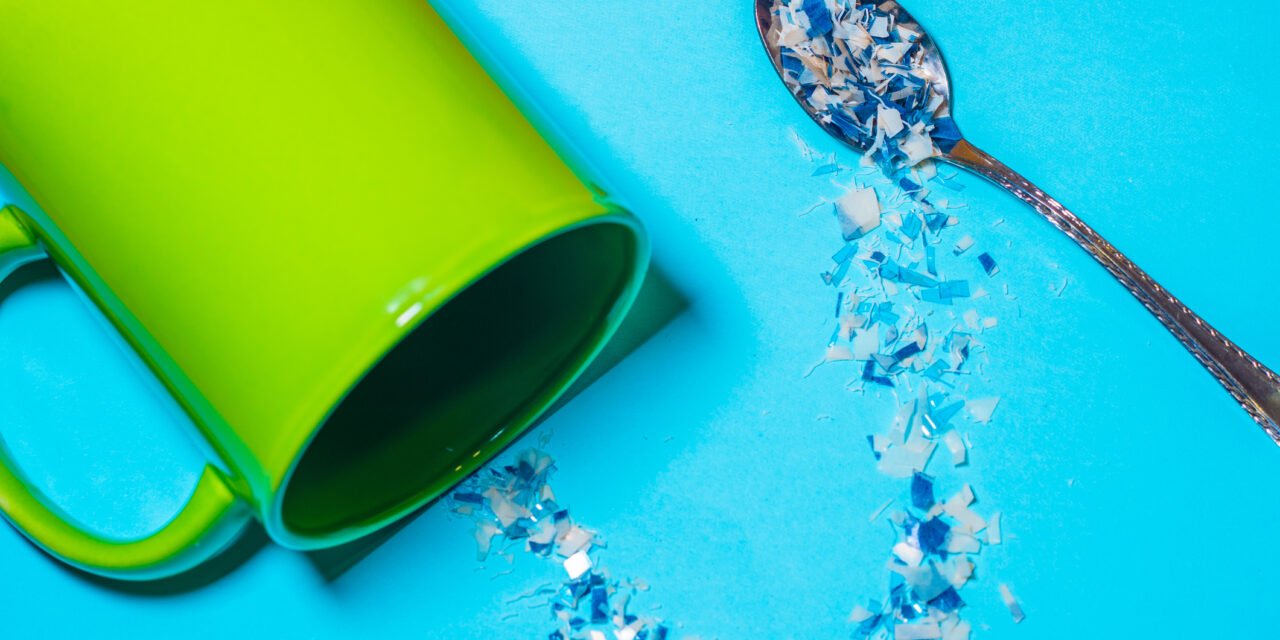
These harmful endocrine disruptors are not only found in plastic waste but are also hidden in many everyday items, including but not limited to store receipts, plastic water bottles, takeout food containers, and some cosmetics. This long-term, continuous ‘cumulative exposure’ can have profound effects on the human body.
Over time, this cumulative effect can lead to an imbalance in the body’s biochemical environment, significantly weakening the protective role of vitamins in maintaining a healthy immune system and strong bones. This, in turn, increases the risk of developing various chronic diseases.
4. The Experts’ Fundamental Solution: ‘Detoxing’ at the Source
Facing this serious challenge, the researchers emphasize that simply taking nutritional supplements like vitamin pills to boost vitamin levels may have little effect, as the root of the problem is the continuous interference from these chemicals.
The real solution lies in reducing exposure to these toxic substances at the source. Experts suggest a ‘household detox,’ urging the public to consciously reduce reliance on plastic products, especially single-use plastics. When choosing containers and utensils, prioritize more chemically stable and safer materials like glass and stainless steel to protect your nutritional stores and endocrine health.
