The Core Issue: Air Conditioning Accounts for Over 40% of Household Energy Consumption
As summer heatwaves sweep across Spain, air conditioning units have become a major component of household electricity usage, accounting for over 42% of the total consumption in some homes. However, relying entirely on electrical appliances isn’t the only option. A method from building physics known as ‘passive cooling’ treats a home as an integrated thermal management system, regulating indoor temperature through non-mechanical means. By applying these techniques, a household’s cooling demand can be reduced by up to 30% without using the air conditioner, providing both cool relief and considerable financial savings.
First Line of Defense: Effectively Block External Heat
The first step in thermal management is to prevent heat from entering your home. Windows are the primary route for heat exchange. Statistics show that about 25% to 30% of indoor cool air is lost through poorly insulated windows. Installing external awnings is a highly effective solution, capable of blocking up to 80% of direct solar radiation. Furthermore, adopting simple habits is crucial: during the hottest part of the day, from 12 PM to 6 PM, be sure to close your blinds and draw the curtains. This measure alone can effectively insulate your home from the heatwave and save about 10% on energy consumption.
The Power of Nature: Make Good Use of Ventilation and Air Circulation
Harnessing natural airflow is an extremely low-cost way to cool down. Experts recommend opening windows during the cooler night and early morning hours to create ‘cross-ventilation,’ allowing cool air to enter and circulate. By closing the windows after sunrise, before the outside temperature begins to rise, you can ‘trap’ the cool air inside. For windless or stuffy days, a ceiling fan is an ideal supplement or alternative to an air conditioner. It consumes very little electricity but can create a perceived temperature drop of 3 to 5 degrees Celsius by accelerating air movement, which is often enough to handle most hot weather and significantly reduce the frequency of turning on the AC.
Smart Electricity Use: Scientific Strategies for Air Conditioning
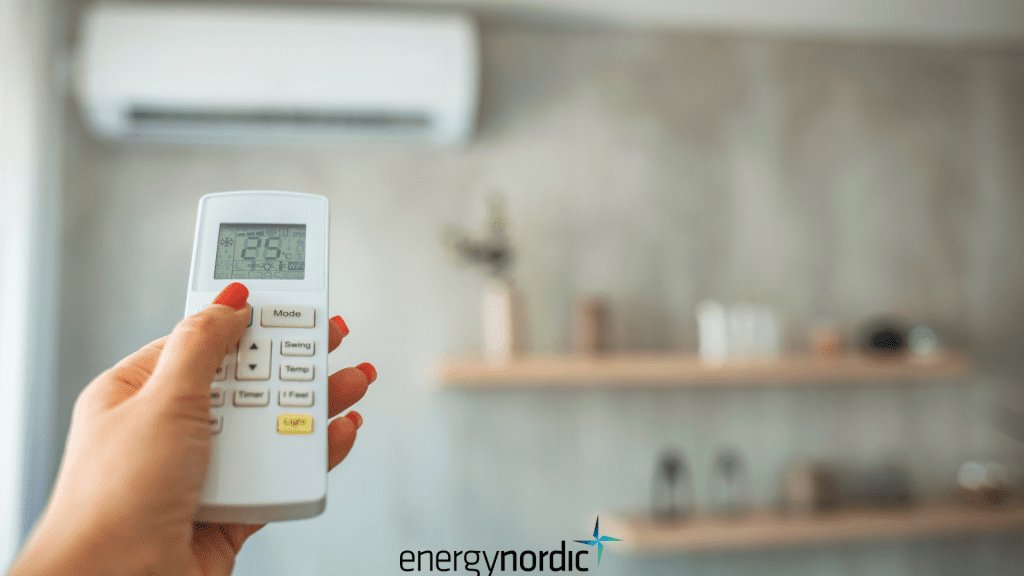
When the temperature is too high and using the air conditioner is necessary, scientific settings and usage habits are key to saving on your electricity bill. Spanish energy experts recommend setting the indoor comfort temperature to 26 degrees Celsius in the summer. It’s important to note that for every degree you lower the thermostat, your electricity bill will increase by 5% to 7%. Additionally, planning when to turn it on is crucial. For example, you can ‘pre-cool’ your house during midday hours (when solar power generation is typically at its peak and electricity rates are relatively lower), allowing the walls to absorb and store the cold. This can reduce the need to run the AC during the evening, when electricity prices are often higher. By combining passive cooling with active, smart control, you can effectively manage your summer electricity expenses.
