A Key Mineral Deposit for Europe’s Energy Transition
Amidst growing global competition for critical raw materials, Spanish mining company Quantum Minería has identified a significant monazite deposit in the Campo de Montiel area of Ciudad Real, within the Castile-La Mancha region. The deposit is rich in rare earth elements like cerium, neodymium, and lanthanum, which are essential components for high-tech products such as electric vehicles, wind turbines, and smartphones.
The deposit is estimated to have significant mining potential, with a projected annual production of about 2,100 tons of rare earths. This output could satisfy 33% of Europe’s annual demand for these critical materials, enough to manufacture approximately 350,000 electric vehicles or 10,000 wind turbines. Consequently, the project is seen as a crucial step towards supporting Europe’s energy transition and reducing its reliance on external supply chains.
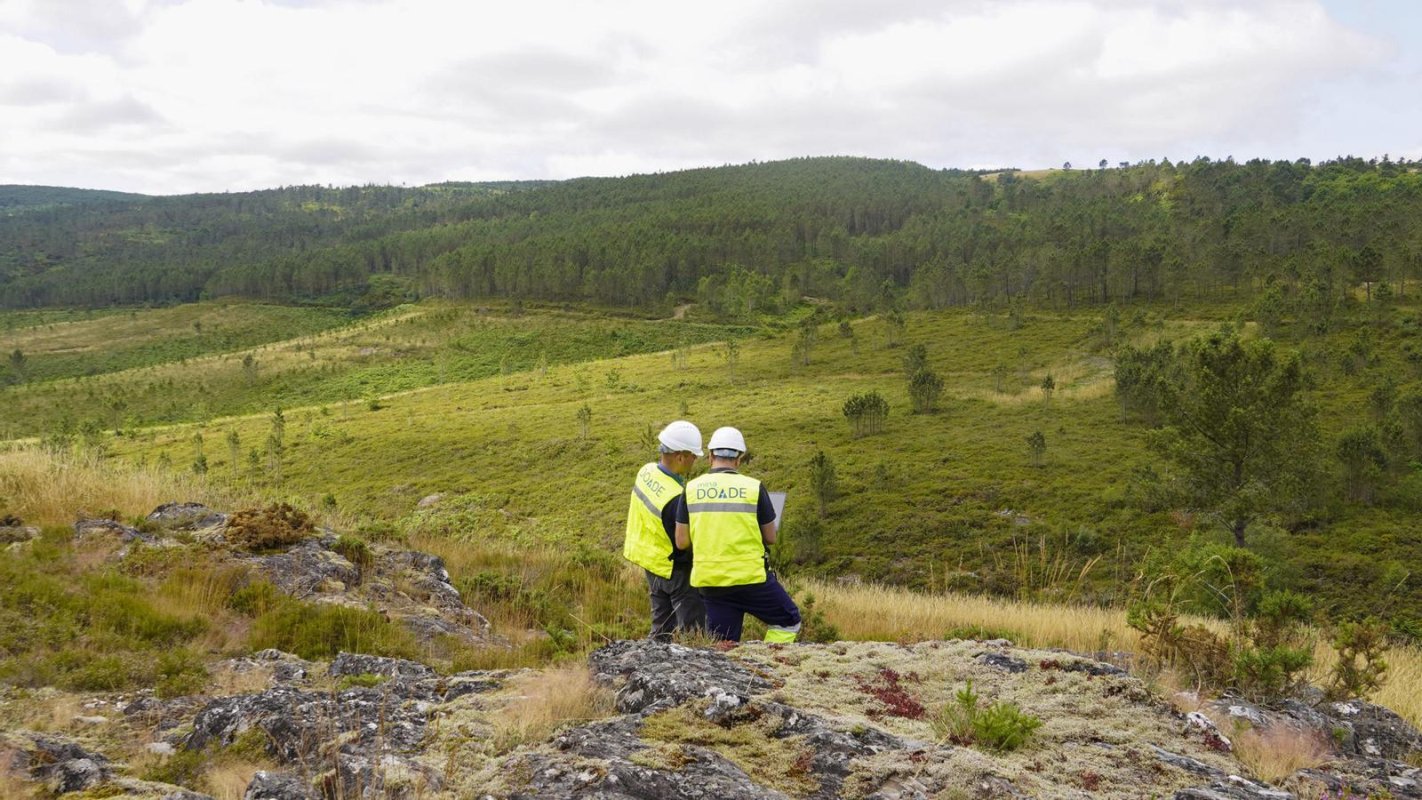
Severe Environmental Challenges and Local Opposition
However, the development plan for the mine has been mired in controversy since its inception. The extraction and refining processes for rare earths can have severe environmental impacts. According to project assessments, the mining operations would require 310,000 to 500,000 cubic meters of water annually, in a region already facing severe issues of aquifer over-extraction and prolonged drought.
More concerningly, the proposed site is adjacent to two Special Protection Areas for birds and falls within the habitat of the rare Iberian lynx. Citing fears of ecological damage and the generation of toxic waste, several environmental groups, including Ecologistas en Acción (Ecologists in Action) and the platform Sí a la Tierra Viva (Yes to a Living Earth), launched a strong opposition campaign. Under social pressure, the regional government of Castile-La Mancha decided to halt the project in 2017.
Company Resubmits Application with Environmental Pledges
Undeterred by the setback, Quantum Minería has not given up. In 2024, the company resubmitted its application for a feasibility study of the deposit, emphasizing the project’s necessity for achieving Europe’s strategic autonomy and green transition goals. To address the environmental concerns, the company has proposed a series of mitigation measures.
These measures include temporarily stripping the top layer of vegetation for later land reclamation and ecological restoration after mining operations cease. The company also pledges to refrain from using chemical pollutants in the process of separating the monazite minerals, aiming to minimize the potential impact on local agriculture and ecosystems.
A Future Decision in a Geopolitical Context
This controversy is particularly significant in the current international geopolitical landscape. The European Commission has clearly stated in its reports that developing domestic mineral resources is a strategic priority for securing supply chains and reducing external dependencies. Against the backdrop of a global competition for rare earth resources (such as negotiations between the US and Ukraine over similar resources), the strategic value of Spain’s domestic deposits has become increasingly apparent.
Currently, the future of the Ciudad Real rare earth mine remains uncertain, with the conflict between economic interests and environmental protection still acute. As the EU’s first strategic framework on critical raw materials is progressively implemented, the fate of this high-profile project may find new policy guidance and a potential turning point.
