Investment Boom Cools as Geopolitical Risks Take Center Stage
Spain’s real estate investment market, which was warming up at the start of the year, has recently cooled due to geopolitical tensions in the Middle East, particularly those involving Iran. This external shock is rippling through the Spanish market, prompting investment firms to reassess their risk exposure. The commercial real estate sector—encompassing investment properties like office buildings, logistics warehouses, and retail spaces—has been hit the hardest. Consequently, investment activity in Spain, once one of Europe’s most appealing markets, is beginning to slow down.
Some Deals See 5% to 10% Price Corrections
According to Spanish media outlets like El Economista, citing industry insiders, the market is already witnessing concrete price adjustments. For some ongoing commercial real estate deals, buyers are demanding price reductions of 5% to 10%, with some transactions even being put on hold as a result. An executive at a major international fund noted that while investment appetite has not vanished, investment committees now require a higher risk premium to be factored into asset valuations. Continuing with acquisitions at the prices of a few months ago would make it difficult to gain internal approval for the projects.
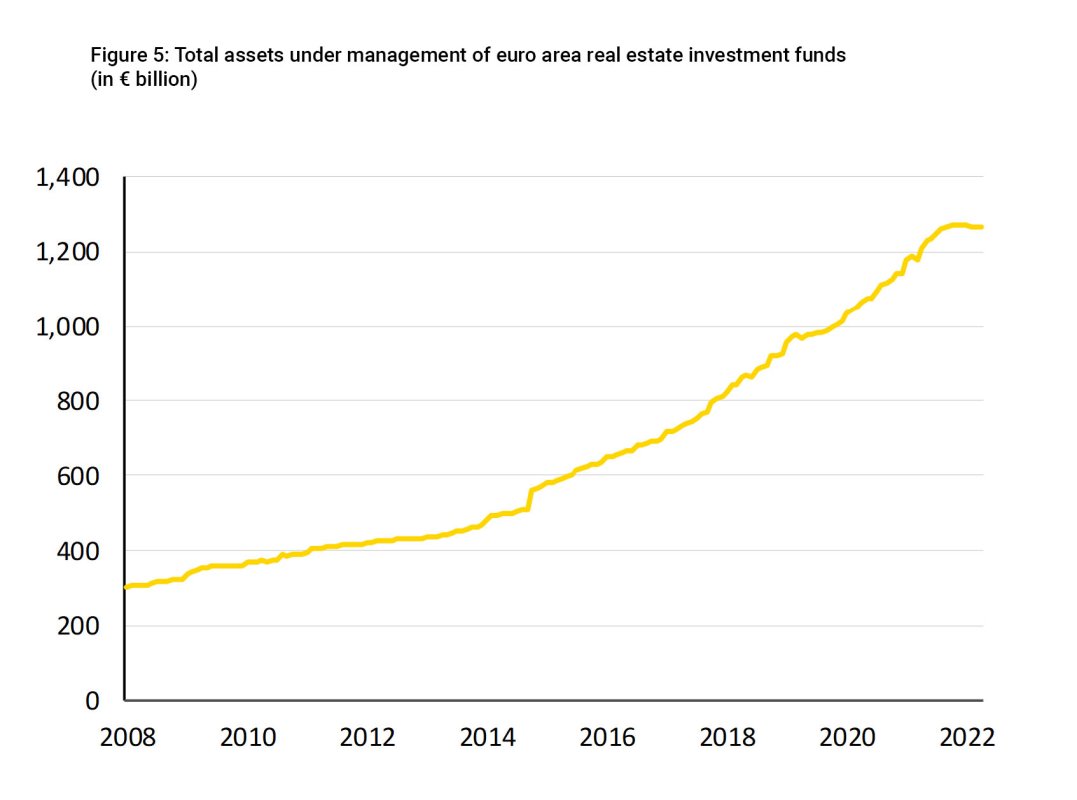
Market Divergence Sharpens as Financing Costs Become a Key Variable
These price reductions are not across the board but show a clear market divergence. Prime assets in core cities like Madrid, boasting stable lease agreements and high occupancy rates, continue to hold their value and attract international capital. In contrast, riskier projects, those needing repositioning, or ones highly dependent on leveraged financing are under much greater pressure for price corrections. Meanwhile, the financing landscape has tightened noticeably in the last two months. This increase in borrowing costs is directly influencing negotiations, compelling some sellers to accept lower prices to finalize transactions.
Potential Cost Hikes and Future Market Opportunities
Geopolitical conflicts could also spark fresh volatility in energy prices and supply chains, pushing up the costs of construction materials and labor. Industry experts analyze that if these four key costs—energy, materials, construction, and financing—rise simultaneously, asset acquisition prices will have to be readjusted to maintain investment returns. As a result, future transaction timelines may lengthen, placing buyers in a more advantageous negotiating position. This environment could create a window of opportunity for opportunistic funds with ample cash and low reliance on bank loans. Property owners in a hurry to sell may offer more attractive discounts, creating opportunities for these funds to acquire assets at a lower cost.
