Plane Trees: A Double-Edged Sword for Urban Greenery
Barcelona’s urban landscape has long been dominated by plane trees (Platanus hispanica). According to statistics, there are currently around 43,000 plane trees throughout the city, making up over 27% of all street trees. While this species provides valuable shade for the city’s streets, the large amount of pollen it produces in spring has become a serious public health issue. Each spring, particularly around Sant Jordi’s Day (Diada de Sant Jordi), many citizens suffer from allergy symptoms such as breathing difficulties, eye irritation, and coughing due to pollen, severely impacting daily life and the urban public experience.
The 2037 Goal: Reshaping the Urban Green Landscape
According to the Barcelona City Council’s newly released ‘Urban Tree Master Plan’ (Pla Director de l’Arbrat de Barcelona), a clear objective has been set to reshape the city’s green infrastructure. The core of the plan is to reduce the proportion of plane trees among the city’s street trees to below 12% by the year 2037. This means that compared to the current level, the number of this species will be reduced by more than 56%, involving the gradual replacement and management of tens of thousands of trees.
Diversity and Resilience: An Ecological Strategy for the Future
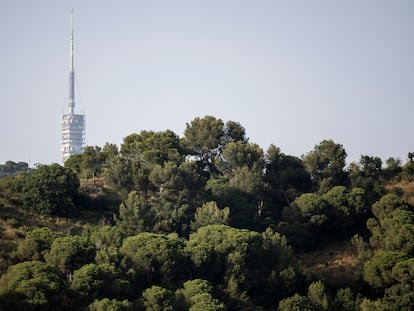
This adjustment is not solely aimed at solving the allergy problem. The new plan emphasizes the core principle of ‘species diversification’ to avoid the ecological risks associated with the over-concentration of a single tree species. In the past, over-reliance on a few species made the urban greening system particularly vulnerable to specific pest outbreaks or extreme climate events. By introducing a more diverse range of plants, the stability of the urban ecosystem will be enhanced.
The Mayor Speaks: Investing in the City’s Health and Safety
Barcelona’s Mayor, Jaume Collboni, stated that this plan is not just a health policy but also part of the city’s long-term resilience strategy for the future. When selecting replacement tree species, priority will be given to varieties that are more drought-resistant and better adapted to high temperatures. This move is designed to ensure that Barcelona’s urban greenery can better cope with the challenges of climate change, making the urban environment more stable and secure in the future.
