The EU’s New Policy: A Two-Pronged Approach with the Digital Euro and Cash Limits
According to the European Union’s latest agenda, a plan to revolutionize the region’s payment system is steadily advancing. It has two core components: first, the plan to officially launch the Digital Euro in 2029, and second, the establishment of a unified cap on cash payments across all member states starting in 2027. EU officials state that the primary goal of this move is to effectively combat money laundering, terrorist financing, and other financial fraud, thereby maintaining the stability and security of financial markets by enhancing transaction transparency.
Direct Impact on the Spanish Economy
For Spain, these new regulations will directly affect multiple layers of its economy. The first to be impacted are economic entities heavily reliant on cash transactions, including small businesses, the self-employed, and parts of the traditional retail sector. They will be forced to accelerate their transition to digital payment systems, which may involve new technology investments and operational adjustments. Furthermore, social groups accustomed to using cash, especially elderly individuals less familiar with digital technology, may face difficulties adapting to new payment methods, potentially affecting the convenience of their daily consumption.
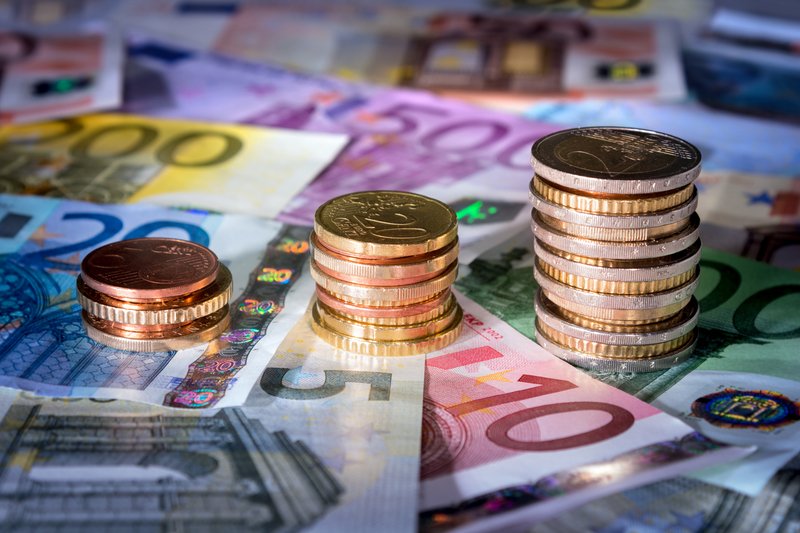
The End of Privacy? Concerns Over Digital Currency’s Traceability
Although digitalization is initially aimed at improving efficiency and security, its inherent traceability has also sparked widespread concern about personal financial privacy. Unlike anonymous physical cash, every transaction with digital currency can, in theory, be recorded and tracked. This means regulatory bodies will have the ability to systematically understand an individual’s spending habits, fund flows, and even saving patterns. In a country like Spain, where cash use is still quite common, this shift from physical to programmable money is not just a change in payment tools but also touches upon citizens’ traditional understanding of personal privacy and financial autonomy.
The Value of Cash: A Financial Stabilizer Beyond Payments
From a traditional economics perspective, the motives for holding money are not limited to daily transactions. People also hold cash for ‘precautionary motives’ to cope with unexpected events and ‘speculative motives’ to preserve value during heightened economic uncertainty. In times of economic turmoil, physical cash is often seen as the most direct and reliable store of value. This function is not only crucial for individuals but also indispensable for maintaining the financial liquidity of the state, commercial banks, and even central banks, as well as for managing systemic risks. Therefore, diminishing the role of cash could inadvertently affect the resilience of the entire financial system.
Freedom vs. Control: The Fundamental Question of Future Wealth Ownership
This debate about the future of money has moved beyond technical merits to a deeper philosophical discussion about control. Defending cash is not merely about nostalgia; it’s about the fundamental economic freedom of individuals to hold and use their legal property freely and without obstruction. When the channels for capital flow are entirely controlled by public authorities, these bodies gain an unprecedented ability to guide and even dictate the direction of wealth. In a country like Spain, with its diverse real economy structure, such a concentration of power could impose tangible and direct limitations on the vitality of micro-economies and the financial freedom of citizens.
