Hello everyone, I’ve been a lurker here for a long time. Seeing the recent increase in discussions about diploma-to-master’s programs, I wanted to share my own experience on this topic. I’m often asked by junior students: as a graduate of a three-year junior college program in China, can I really study for a master’s degree in Spain? The answer is: Absolutely, yes
! However, the path isn’t entirely smooth, and there are quite a few things to know. Today, I’ll lay it all out for you.
Feasibility and Basic Requirements for Diploma-to-Master’s Programs
The Spanish Ministry of Education recognizes China’s three-year junior college diplomas. In theory, as long as your credits and curriculum meet the requirements of certain programs at certain universities, you can apply for an official master’s degree (máster universitario)
. The reality, however, is that most top-tier public universities are not very friendly to diploma holders, and the competition is fierce. Therefore, many students with a diploma background opt for another route: applying for a university-specific master’s degree (máster propio). These programs generally have lower entry barriers and a more practical curriculum. For students interested in progressing to a master’s degree in Spain with the goal of finding employment in the country or simply enhancing their academic profile, this is an excellent choice.
Overview of Basic Application Requirements
No matter which path you choose, some core requirements must be met. I’ve put together a simple table for you to check against:
| Item | Basic Requirement |
|---|
| Academic Background | A three-year, full-time junior college diploma from China. You will need your graduation certificate, and documents like transcripts and proof of eligibility for graduate studies must be officially legalized and authenticated (double certification). |
| Language Proficiency | For Spanish-taught programs, a DELE B2 or SIELE B2 level is typically required. For English-taught programs, an IELTS score of 6.0-6.5 or equivalent is needed. |
| Application Documents | CV/Resume, letter of motivation, letters of recommendation, etc. The quality of your application essays is crucial! |
| Proof of Financial Means | You must provide sufficient bank statements or a certificate of deposit to prove you can cover tuition and living expenses. |
Choosing Universities and Programs
Choosing a university is a skill. My advice is not to focus solely on giants like the Complutense University of Madrid or the Autonomous University of Barcelona. Spain has many excellent universities that are strong in specific fields and may be relatively less competitive to get into. For example, you could look into business programs at Pompeu Fabra University, architecture at the Polytechnic University of Catalonia, or communication studies at Charles III University of Madrid. You can check their official websites for any diploma-to-master’s programs at Spanish universities that are suitable for applicants with your background.
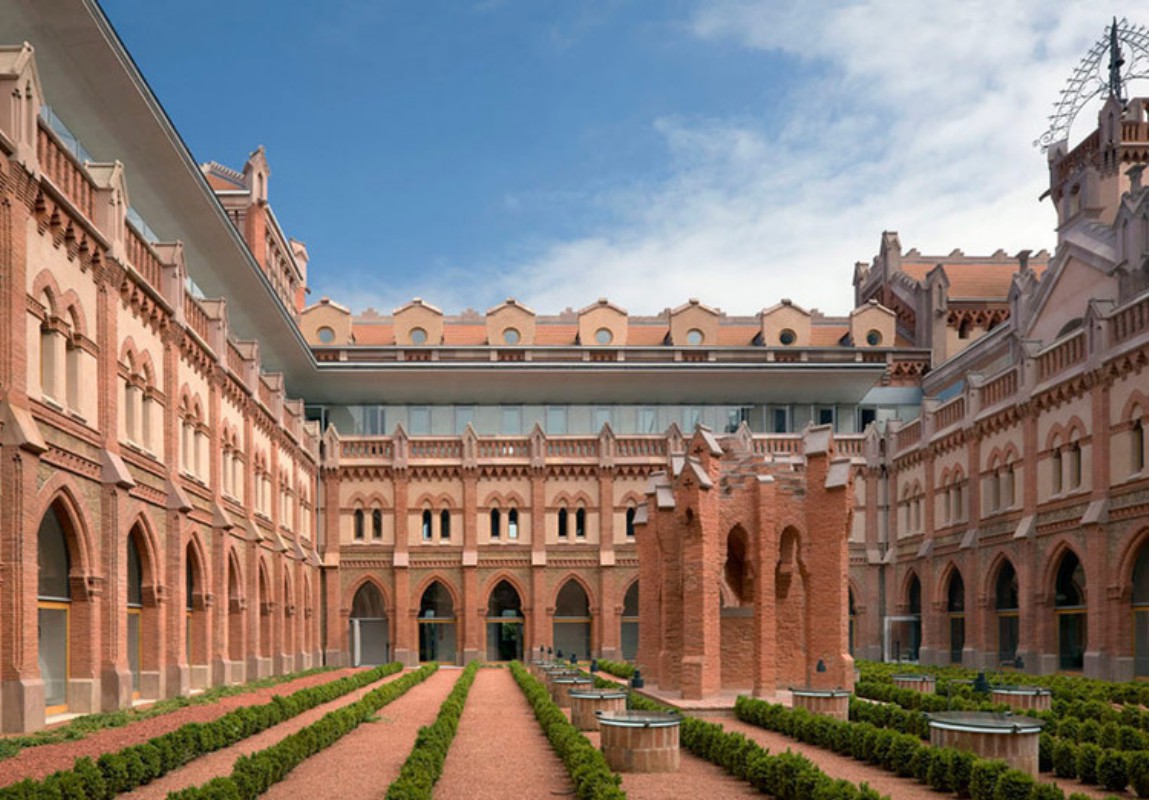
When it comes to university-specific master’s degrees, the options are even broader. Many business schools, such as EAE Business School and ESIC Business School, offer excellent máster propio programs that are practical and have strong corporate partnerships. However, you must be vigilant and choose reputable university-specific master’s programs officially offered by the university itself. Be wary of courses offered by small, unheard-of institutions.
Some Essential Tips to Avoid Pitfalls
Here are a few hard-earned lessons:
- Language is king! Plan your language studies well in advance. Obtaining a B2 certificate will vastly expand your options.
- Scrutinize information from agents. Agents can provide a lot of suggestions, but you are the one making the final decision. Always check the university’s official website for firsthand information and ask senior students on forums.
University-specific master’s degrees are completely useless. That’s too absolute. Whether a máster propio can be accredited back in China depends on the specific program and university. You should check the official website of the CSCSE (the Chinese government’s credential evaluation service) before you return. For students who aren’t planning to take civil service exams or work in the public sector, and instead aim for a career in the corporate world, a good máster propio from a top university can be far more valuable than an official master’s from a less-known institution.
I hope my sharing has been helpful to everyone! The path from a diploma to a master’s in Spain may have its twists and turns, but with thorough preparation, the rewards are immense. If you have any questions, feel free to reply to this post, and I’ll do my best to answer!
