Expert Opinion: The Health Significance of Changing Urination Posture
Fran Cuesta, a Spanish expert in longevity medicine, recently sparked public interest with a health recommendation regarding a daily habit for men. He points out that changing from standing to sitting to urinate, a seemingly minor adjustment, can have a positive long-term impact on health. The core of Cuesta’s argument is that many overlooked daily details are key to maintaining bodily functions and achieving a long life.
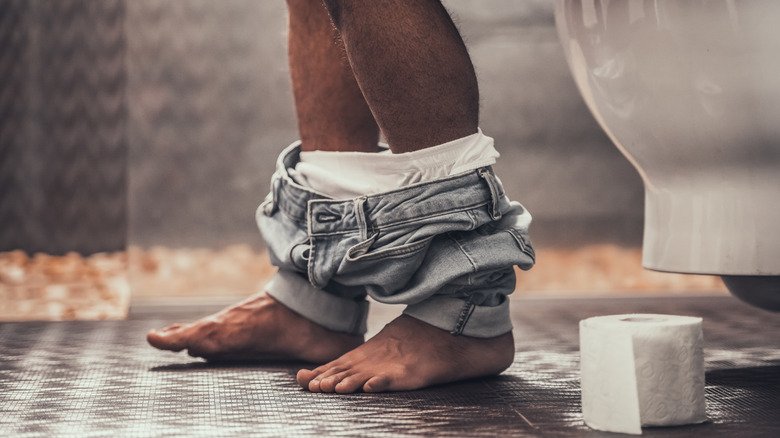
A Biomechanical Analysis: The Difference Between Standing and Sitting
The scientific basis for this recommendation comes from human biomechanics. When a man stands to urinate, his pelvic floor muscles naturally tense to maintain balance. This tension prevents the bladder from contracting completely, leading to incomplete emptying. Conversely, when sitting, the body is supported, allowing the pelvic floor muscles to fully relax. This creates better conditions for the bladder to empty thoroughly. This mechanical difference directly affects the amount of residual urine left in the bladder after urination.
Long-Term Risks: The Potential Consequences of Ignoring Residual Urine
Chronic residual urine in the bladder can lead to a series of health risks. The accumulated urine can become a breeding ground for bacteria, increasing the risk of urinary tract infections (UTIs). Furthermore, this issue is also associated with symptoms like prostate inflammation (prostatitis) and a weaker urine stream. For middle-aged and older men, incomplete bladder emptying is also a primary cause of nocturia (frequent nighttime urination). Waking up often at night severely disrupts sleep cycles, affecting hormonal balance and daytime energy, creating a vicious cycle. These problems become more pronounced after the age of 40, acting as a hidden obstacle to quality of life.
Practical Advice: A Special Reminder for Men Over 40
Expert Fran Cuesta particularly emphasizes that for men aged 40 and over, adopting the habit of sitting to urinate is a wise health investment. It’s not only an effective way to protect the prostate but also a simple measure to optimize overall bodily function. Adjusting this habit requires minimal effort but can directly yield multiple benefits, such as improved sleep quality and a reduced risk of urinary system diseases. Longevity and health are not achieved overnight; they stem from every small, healthy choice and consistent habit in daily life.
