Outbreak Overview and Maritime Predicament
The luxury expedition cruise ship ‘MV Hondius’ experienced a fatal hantavirus outbreak during its voyage from Argentina. According to the latest data from the World Health Organization (WHO), seven people on board have been confirmed infected, resulting in three fatalities. Four others are in serious condition, with one critically ill. The first death was reportedly on May 2nd, and some of the deceased’s bodies remain on the ship.
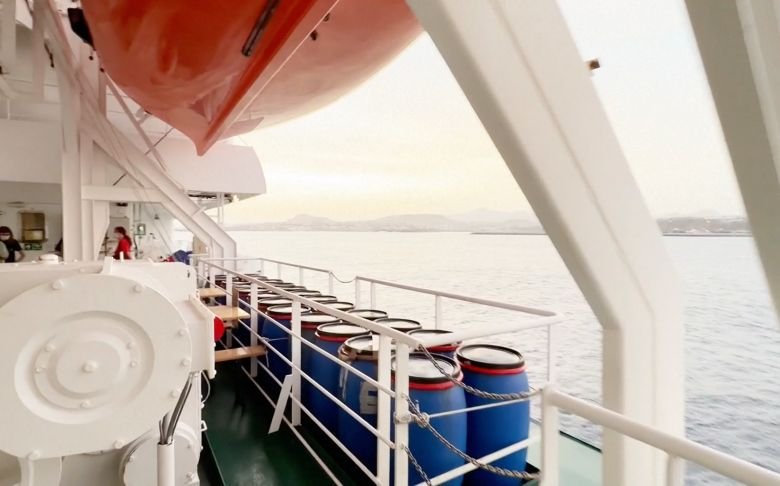
The cruise ship was originally scheduled to dock in Cape Verde but was denied entry by the government. Citing fears that the virus’s spread could trigger a “national epidemic,” Cape Verdean authorities barred the ship, leaving the 147 passengers and crew (including 14 Spanish nationals) stranded at sea, facing a humanitarian and health crisis.
WHO Coordination and Personnel Transfer
Following multilateral coordination, WHO official Maria Van Kerkhove revealed that the Spanish government has agreed to receive the cruise ship. It will be allowed to dock at the port of Las Palmas or Tenerife in the Canary Islands for subsequent medical assistance and outbreak management.
Under the arrangement, two critically ill crew members, of British and Dutch nationality, along with a close contact of one of the deceased, will be prioritized for transfer to the Netherlands for treatment via a medical evacuation flight. The remaining 147 passengers and crew, including the 14 Spaniards, will stay on board to await further instructions and quarantine procedures from Spanish health authorities.
Spain’s Official Response and Public Reaction
In response to the ship’s impending arrival, Spain’s Ministry of Health has initiated emergency protocols. Although the ministry initially suggested resolving the situation in Cape Verde to reduce the risk of local transmission, it confirmed it would accept the vessel after WHO’s coordination. Spanish infectious disease expert Fernando Simón has publicly urged the public to remain calm, stressing that human-to-human transmission of hantavirus is extremely rare and that Spain’s healthcare system is fully prepared to handle the event.
However, the decision has sparked significant concern in the Canary Islands. Local port unions have warned they will not rule out a preventative strike if the port fails to provide top-level Personal Protective Equipment (PPE), protesting the risk of exposure to the highly lethal virus with inadequate protection.
Planned Containment Measures
Once the ‘MV Hondius’ arrives in the Canary Islands, Spanish health authorities will immediately activate a strict set of containment protocols. These measures are expected to include epidemiological investigations for everyone on board, a thorough deep-cleaning and disinfection of the entire ship, and risk-based quarantine management for passengers. With Argentina reporting 41 confirmed hantavirus cases this year, investigating the source and transmission chain of the virus on the cruise will be a key focus.
Involving passengers from 23 different countries, this incident is not only a complex international public health crisis but also a severe test of Spain’s emergency health response capabilities.
