Core of the New Law: Mandatory Free Takeaways and a Food Hierarchy
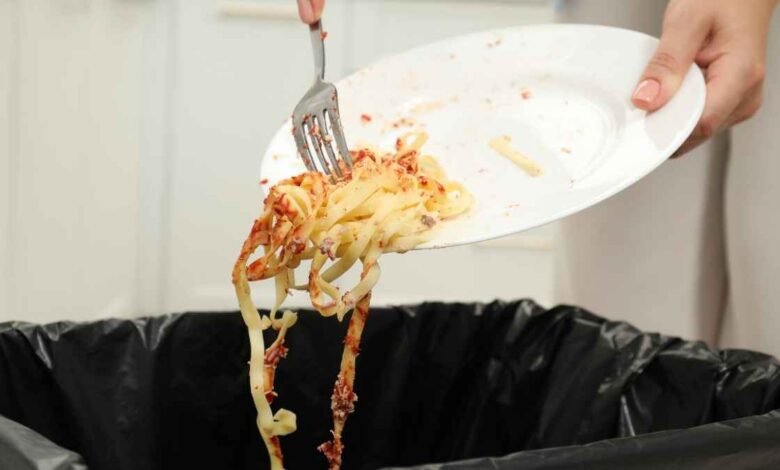
To address the growing problem of food waste, the Spanish government has introduced the Law on the Prevention of Food Loss and Waste, setting new standards for the food service and retail industries. One of the law’s most notable provisions is that all commercial establishments serving food, including bars, restaurants, and supermarkets, must provide suitable containers free of charge when a customer requests to take away their uneaten food. This measure is designed to directly reduce waste at the consumer level.
Furthermore, the law requires all participants in the food chain, from producers to final sellers, to create a detailed “food priority hierarchy plan.” This plan establishes a clear order of priority for handling surplus food: first, donation to charitable organizations like food banks; second, conversion into animal feed; and third, use in industrial composting or for other resource recovery purposes.
Clear Goals and Phased Implementation
The law sets clear long-term reduction targets. According to the plan, Spain aims to reduce per capita food waste at the retail and consumer levels by 50% and cut food losses in production and supply chains by 20% by the year 2030.
Although the law will not take full effect until 2025, its provisions have been gradually introduced since April of last year. This phased implementation is intended to give the relevant industries a grace period to adjust their operating models to the new regulations.
Strict Penalties and Partial Exemptions
To ensure the law’s effective enforcement, the Spanish government has established a three-tiered fine system. Minor violations, such as a business failing to create a prevention plan or not clearly informing customers of their right to a free takeaway container, will be fined around €2,000. Serious offenses, like failing to establish an effective prevention mechanism or not handling donatable food as required, can result in fines of up to €60,000. For extreme cases involving repeated or systematic violations of the law, the maximum fine can reach €500,000.
However, the law also considers the operational pressures on small and micro-enterprises. Micro-enterprises with fewer than 10 employees, some small agricultural operators, and establishments with a business area of less than 1,300 square meters may be exempt from certain specific obligations, though they must still adhere to the basic principles of waste reduction.
Industry Reaction and Policy Background
The introduction of the new law has sparked widespread discussion within Spain’s food service and retail sectors. Some operators worry that mandatory requirements, such as providing free takeaway containers, will increase their operational costs and management complexity. They point out that a system where consumers voluntarily paid or bought takeaway boxes at a very low price already existed, expressing doubts about the compulsory nature of the new rule. Industry associations are also exploring how to absorb the new costs and manage the practical details of implementation.
Nevertheless, this legislation is backed by strong data. According to Eurostat, the EU’s statistical office, the average person in Spain wastes approximately 28 kilograms of food per year. This stark reality was a key driver for the government to transform reducing food waste from a voluntary initiative into a mandatory legal responsibility.
