New Regulations Target Information Transparency
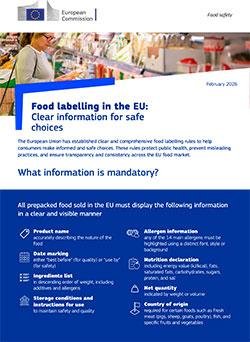
The Spanish government has officially announced a new set of food quality standards via the Official State Gazette (Boletín Oficial del Estado, BOE). The primary goal of these regulations is not to alter the food’s essence, but to significantly improve the transparency of product information, thereby safeguarding consumers’ right to know.
According to the regulations, starting from 2026, food producers must label ingredient lists and specific processing methods more clearly and accurately on their products. This move aims to eliminate widespread misleading advertising in the market. For instance, any claims like ‘natural’ or ‘no additives’ must be supported by strict factual evidence and cannot be exaggerated.
Major Changes for Several Common Foods
The new rules will widely affect many everyday consumer goods on Spanish supermarket shelves, with particularly notable adjustments for several food categories:
- Vinegar (Vinagre): Will face more detailed classification standards and quality grade requirements, helping consumers distinguish between different types of vinegar and their quality.
- Olives and Pickled Products (Aceitunas y Encurtidos): For stuffed olives (aceitunas rellenas), the regulations mandate that the specific ingredients of the filling must be clearly stated.
- Processed Meat Products: For processed foods like turkey ham (jamón de pavo), the transparency of ingredients, additives, and production processes will be significantly increased.
Enhancing Traceability and Unifying Industry Standards
Spanish officials state that this reform aims to establish unified food information standards and enhance traceability throughout the entire supply chain. Through this series of adjustments, consumers will be able to more easily and intuitively understand a food’s true ingredients, origin, and processing details when shopping.
This new regulation is expected to be implemented gradually, eventually covering nearly all items on a typical Spanish family’s shopping list. It is set to fundamentally change the consumer’s shopping experience and decision-making process, pushing the market towards a healthier and more transparent future.
