Hantavirus Cruise Ship Heads to Spain, Triggering High Alert
A polar cruise ship named ‘MV Hondius’ is currently heading towards Spain’s Canary Islands, preparing to dock at the Port of Granadilla de Abona in Tenerife, following a Hantavirus outbreak during its voyage. The Spanish central government has confirmed the situation and, in coordination with the Ministry of Health and the Ministry of the Interior, has activated a major public health emergency response for the vessel, operated by the Dutch company Oceanwide Expeditions.
The ship departed from Ushuaia, Argentina, with plans to cross the Atlantic to Europe, but the onboard outbreak has disrupted all plans.
Outbreak Has Caused Three Deaths, Suspected to Be “Andes” Strain
To date, the Hantavirus outbreak has resulted in the confirmed deaths of three passengers. The details are as follows:
- First victim: A 70-year-old Dutch man who passed away on the cruise ship on April 11.
- Second victim: The man’s 69-year-old wife, who died in Johannesburg, South Africa, after being evacuated.
- Third victim: Another passenger who died on board on May 2.
Preliminary assessments by the World Health Organization (WHO) and European health agencies suggest the outbreak may involve the ‘Andes strain’ of Hantavirus. This strain is currently the only known type of Hantavirus capable of limited human-to-human transmission. However, transmission typically requires prolonged close contact, and the overall community spread risk is rated as ‘low’.
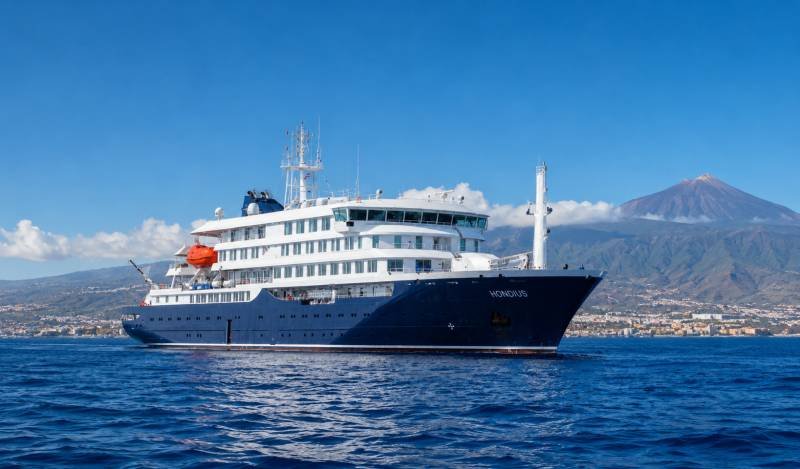
Spain Activates High-Level Emergency and Quarantine Plan
The Spanish government has developed a detailed response plan. Upon the cruise ship’s arrival at the port of Tenerife, all individuals will undergo strict symptom screening and medical examinations. Asymptomatic foreign passengers will be repatriated to their home countries.
For the 14 Spanish nationals on board (13 passengers and 1 crew member), the Spanish Ministry of Defence will deploy a military aircraft to transport them directly from Tenerife to Madrid. They will be placed in quarantine at the Hospital Central de la Defensa Gómez Ulla in Madrid. This hospital is equipped with Spain’s highest-security isolation units (UAAN), which played a crucial role in managing the Ebola and early COVID-19 crises.
Quarantine Period Could Last Up to 45 Days, Sparking Local Concern
Given the long incubation period of Hantavirus, Spanish health authorities have indicated that the quarantine and observation period could last up to 45 days. Minister of Health Mónica García publicly stated, ‘All necessary public health measures will be taken to prevent any potential risk of transmission.’ Officials emphasize that although most people on the ship are currently asymptomatic, strict monitoring is essential.
Despite repeated assurances from the central government that the transfer and quarantine will occur within a completely sealed medical system and pose no threat to the local population, the decision for the ship to dock has caused concern among some officials and residents in the Canary Islands, who questioned the central government’s approval without sufficient local consultation.
International Tracing and Suspected Contact Transmission Case
Meanwhile, the Netherlands has reported a suspected case of contact transmission. A Dutch flight attendant, who had been in contact with the 69-year-old Dutch female passenger who later died, is now hospitalized and in isolation in Amsterdam.
The WHO is collaborating with several countries to urgently trace all passengers and their close contacts who disembarked earlier in places like Saint Helena, South Africa, Switzerland, and the Netherlands to control further spread of the outbreak.
