Unusual Climate Triggers Early Warning, Mosquito Activity Begins Sooner
Spain’s National Association of Environmental Health Companies (ANECPLA) recently issued a warning, stating that this year’s unusually hot April, combined with previous continuous rainfall, has created “extremely favorable” conditions for large-scale mosquito breeding, potentially leading to an early start of the nuisance season. Experts from the association analyze that climate change is causing the mosquito activity period to start earlier and last longer each year. Typically, mosquitoes become active once the nightly minimum temperature consistently stays above 10°C.
Dangerous Mosquito Species Expand Their Territory, Increasing Public Health Risks
Currently, around 60 species of mosquitoes have been identified in Spain, with more than ten considered a public health risk due to their potential to transmit diseases. The primary concern is the “tiger mosquito” (Aedes albopictus), a major vector for viruses like dengue and chikungunya. According to data from health authorities and the “Mosquito Alert” monitoring platform, the tiger mosquito has officially been detected in at least 156 cities across Spain, while some academic studies speculate its actual range could extend to over 1,000 municipalities. Additionally, the common house mosquito, capable of transmitting the West Nile virus, is also widespread, posing another threat.
Key Areas and Potential Risks
The expansion of the tiger mosquito is particularly significant along Spain’s Mediterranean coast, with Catalonia and Andalusia being among the fastest-spreading regions. Mild winters and a warming climate provide long-term survival and breeding conditions in Spain for these species, which are originally adapted to tropical environments. Meanwhile, Anopheles mosquitoes, once vectors for malaria, are again drawing the attention of health authorities. Although native malaria has long been eradicated in Spain, experts are concerned about the potential risk of secondary local transmission in the future, given the continuous occurrence of imported international cases.
Integrated Control: From Personal Protection to Ecological Balance
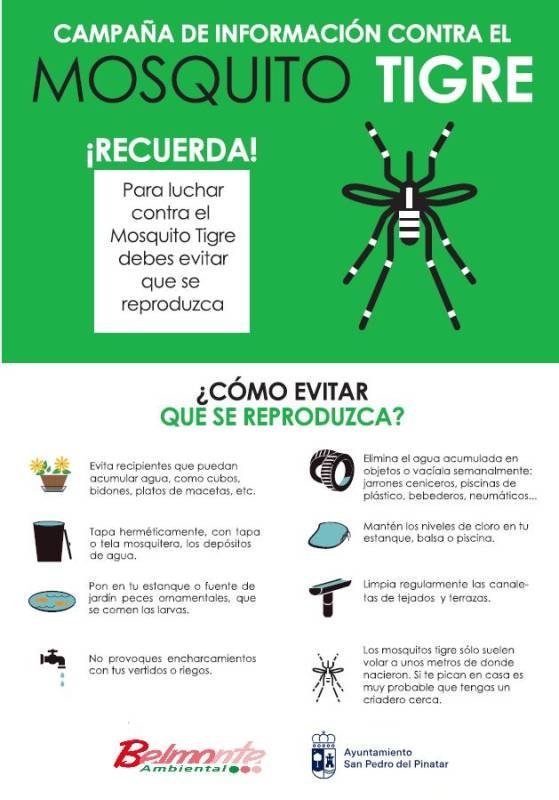
To address the growing mosquito problem, health experts urge the public to take immediate and effective preventive measures. The key is to thoroughly eliminate small pockets of standing water in living environments, such as flower pot saucers, discarded tires, pet water bowls, and clogged drains, to prevent mosquitoes from laying eggs. During dawn and dusk, when mosquitoes are most active, residents are advised to wear long-sleeved clothing and protect themselves with mosquito repellent and nets.
Furthermore, a solution based on ecological balance is also gaining attention. Environmental groups point out that birds like swallows and swifts are highly efficient “natural mosquito eliminators,” with studies showing that one swallow can consume about 850 flying insects per day. Therefore, they advocate for consciously preserving and creating nesting spaces for these beneficial birds in urban planning and building renovation projects, allowing them to become natural allies in the fight against the summer “mosquito plague.”
