Cruise Outbreak Confirmed as Andes Virus
The World Health Organization (WHO), in a joint statement with collaborating laboratories, recently confirmed that the pathogen causing the outbreak on the ‘MV Hondius’ cruise ship is the Andes virus. The incident has already led to the deaths of 3 passengers, with the total number of confirmed and suspected cases rising to 8. The vessel, carrying 147 people, is now a focus of global public health concern, and intense debate continues over whether it should be allowed to dock in Spain’s Canary Islands. The ship’s biosecurity efforts face severe challenges as its medical personnel have been transferred to the Netherlands for treatment.
Virus Characteristics: High Fatality and Human-to-Human Transmission Risk
The Andes virus belongs to the hantavirus family and was first identified in Argentina in 1995. Unlike other hantaviruses, which are primarily transmitted through aerosols from rodent excreta, the Andes virus strain is the only known variant capable of human-to-human transmission. Although its transmission efficiency is much lower than respiratory viruses like COVID-19, primarily occurring through close contact with an infected person’s bodily fluids, the risk is significantly amplified in a confined environment like a cruise ship.
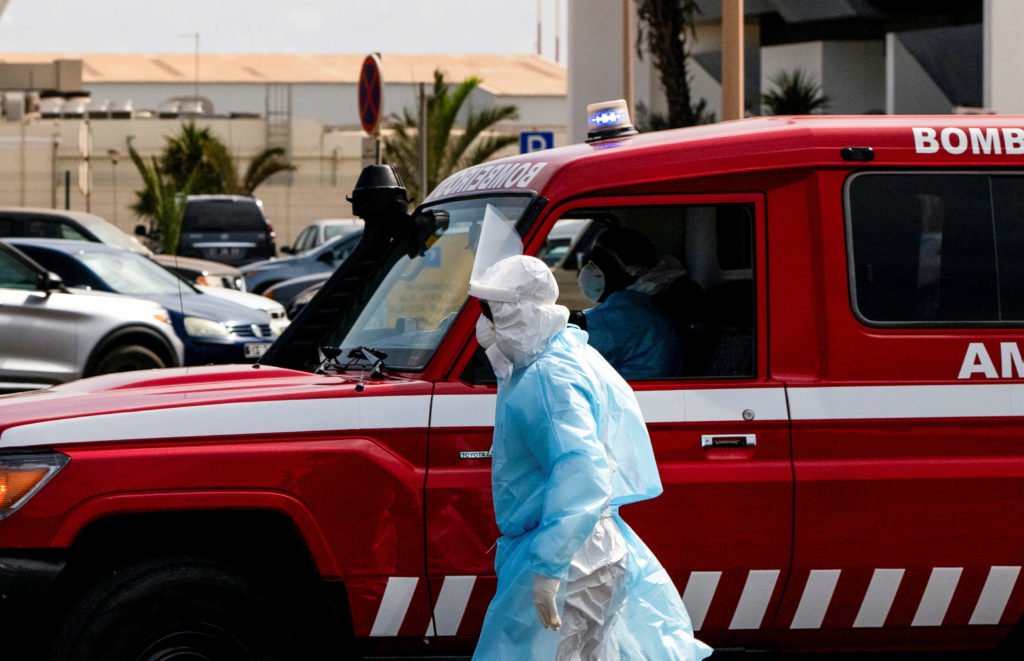
Clinically, the virus is extremely dangerous:
- Rapid Progression: Initial symptoms resemble the flu, including fever, muscle aches, and fatigue, but the condition quickly deteriorates into “Hantavirus Cardiopulmonary Syndrome” (HCPS).
- Attacks Cardiopulmonary System: Unlike other hantaviruses that mainly affect the lungs, the Andes virus causes severe damage to both the heart and lungs, leading to acute respiratory distress and hypotension within 4 to 7 days of onset.
- Extremely High Fatality Rate: According to research from countries like Chile, the fatality rate of the Andes virus ranges from 30% to 50%. Severe cases can lead to death within 24 to 48 hours due to acute pulmonary edema or cardiogenic shock. There is currently no specific drug or vaccine.
Spain on High Alert
As the outbreak develops, alarms have been raised in mainland Spain. The province of Alicante has reported the first suspected case linked to the cruise outbreak. The patient, a 32-year-old woman, has been isolated and hospitalized after showing corresponding symptoms. An investigation revealed she shared a flight with one of the infected individuals evacuated from the ‘MV Hondius’ who later died. Spain’s Ministry of Health has activated a high-level emergency protocol and is awaiting the final results of the patient’s PCR test.
Fernando Simón, Director of the Coordination Center for Health Alerts and Emergencies, stated that despite the suspected local case, the overall risk of human-to-human transmission of the Andes virus is extremely low, and the public should not panic. Meanwhile, health authorities are tracking another contact who traveled through Barcelona to prevent any further spread of the virus.
