‘End of the World’ Voyage Turns into a Public Health Crisis
A luxury expedition cruise ship, the MV Hondius, saw its planned romantic ‘End of the World’ route cut short by a sudden public health crisis. The cruise, which departed from Ushuaia, Argentina, was intended to showcase the unique landscapes of South America and its islands but instead became the epicenter of a Hantavirus outbreak.
To date, three people from the ship have died, and several others have shown suspected or confirmed symptoms of infection. After being denied entry by multiple ports, the vessel was anchored off the coast of Cape Verde. Ultimately, the Spanish central government granted it permission to proceed to Granadilla Port in Tenerife, Canary Islands.
Outbreak Timeline and Global Spread Risk
The source of the outbreak is suspected to be linked to a Dutch couple. Argentine authorities speculate they may have come into contact with virus-carrying rodents while birdwatching near a landfill in Ushuaia before boarding. The World Health Organization (WHO) also noted that early cases had a history of travel in South American regions where relevant rodent species are present.
- April 11: A 70-year-old male Dutch passenger died on board.
- April 24: The cruise ship docked at the island of St. Helena, where the deceased’s body was offloaded. On the same day, about 30 passengers disembarked and subsequently traveled back to various countries, including the UK, USA, Australia, Singapore, Denmark, and Switzerland.
- April 26: The deceased’s 69-year-old wife passed away in a South African hospital after flying from St. Helena. She had experienced severe symptoms during the flight. A Dutch flight attendant who had contact with her was also hospitalized for observation after showing mild symptoms.
As passengers have dispersed globally, an international contact tracing effort has been launched. UK health authorities have advised two returning passengers to self-isolate; Swiss officials have confirmed that one returning passenger tested positive and is receiving treatment; Singapore has also quarantined and tested two related residents.
Onboard Management Controversy and Passenger Ambivalence
Despite the severe outbreak, management measures on the ship have sparked controversy. A French passenger still on board told the media that although mask-wearing was mandatory, passengers still dined together in the restaurant, and social distancing rules were only recently enforced.
More perplexingly, even after medical personnel in protective gear boarded to transfer sick patients, a deck barbecue party was held on the ship. This seemingly relaxed atmosphere stood in stark contrast to the underlying viral threat.
Public health agencies explain that Hantavirus is typically transmitted through contact with infected rodents, and person-to-person transmission is uncommon. However, the Andes strain involved in this outbreak has previously shown evidence of potential human-to-human transmission through close, prolonged contact, which is why health authorities in multiple countries are actively tracing contacts.
Spain’s Decision and Local Government’s Concerns
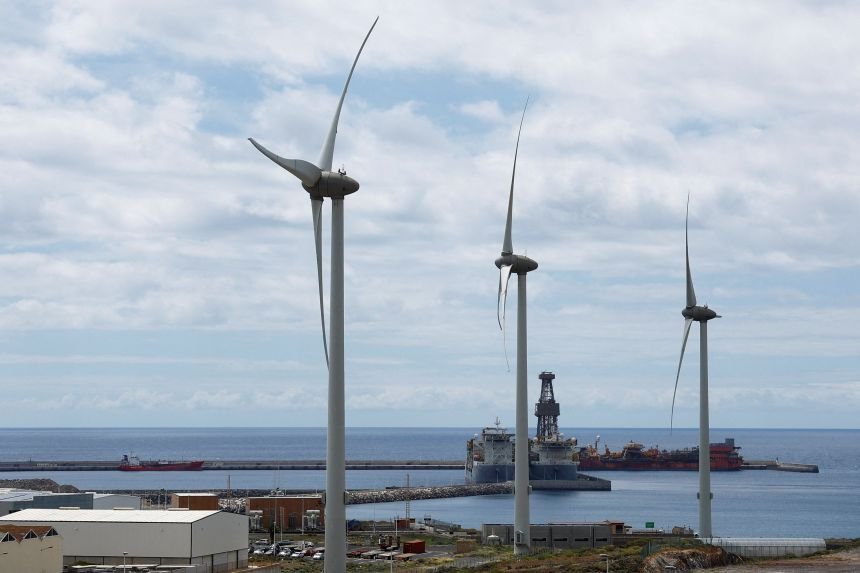
The Spanish central government’s decision to allow the MV Hondius to dock in Tenerife has met with strong opposition from the Canary Islands’ regional government. Local leaders criticized the central government for unprofessional communication and failure to provide sufficient information, expressing deep concern over the potential public safety risks.
For Tenerife residents, this incident has revived memories of the early days of the 2020 COVID-19 pandemic, when hundreds of tourists were quarantined in a hotel, sparking anxiety about a potential new strain on the local healthcare system and community safety.
According to the current plan, upon the ship’s arrival at Granadilla Port, all remaining passengers and crew will undergo strict virus testing, quarantine, and observation before being repatriated. The expedition that began at the ‘End of the World’ has concluded with a complex international public health response.
