A Preview of the 2026 Sunset Total Solar Eclipse in Spain
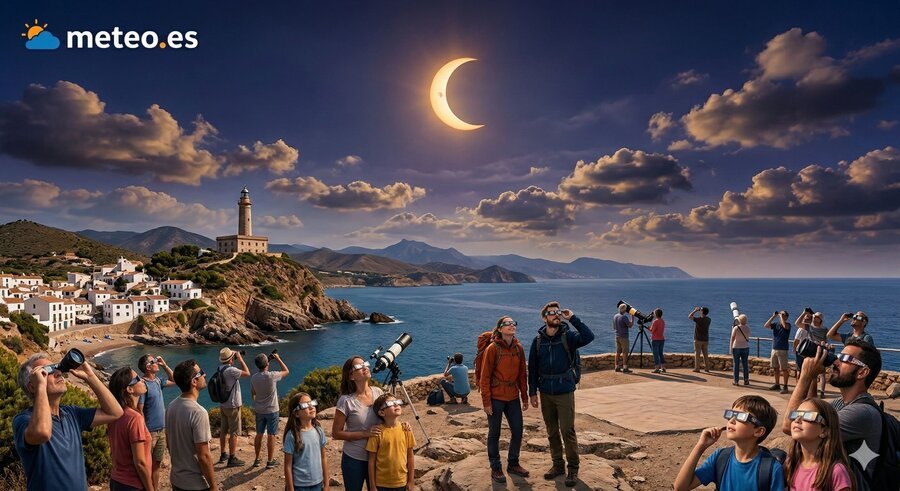
On August 12, 2026, Spain will become a global focal point for astronomy enthusiasts, hosting an exceptionally rare total solar eclipse at sunset. The path of totality will stretch from the Atlantic Ocean, crossing northern and eastern Spain before moving into the Mediterranean Sea. What makes this event truly special is that the total phase will occur at sunset, enveloping the sky in a unique twilight and offering a spectacular visual feast for observers.
Celestial Features: The Challenges and Opportunities of a Low-Altitude Eclipse
The main highlight of this total solar eclipse is its “low-altitude” nature. During totality, the sun’s altitude is expected to be just 10 degrees or even lower. This means the Moon will completely obscure the Sun just as it is about to set below the horizon. Observers will not only see the spectacular corona but also witness the dynamic process of the sun being “devoured” as it descends.
However, such a low-altitude event places high demands on viewing conditions. The choice of location is crucial, as it must have a clear, unobstructed view of the northwestern horizon. Therefore, flat plains, high plateaus, wetlands, and mountain summits with an open line of sight are the ideal choices for this observation.
Top 10 Recommended Viewing Locations in Spain
Based on astronomical simulations and geographical conditions, the following locations are considered superb viewing spots for this sunset total solar eclipse due to their unique vantage points and landscapes.
Deserts and Wetlands
- Castildetierra (Navarre): Located within the Bardenas Reales Natural Park, this area is famous for its unique semi-desert badlands formed by erosion. Its iconic “fairy chimney” rock formation serves as a stunning foreground. The terrain is open and sparsely vegetated, providing an unparalleled northwestern view for observing the low-altitude sunset.
- Laguna de Gallocanta (Aragon): As one of Spain’s most important saltwater wetlands, this area is exceptionally flat with a vast, open horizon. Located near the eclipse’s centerline, its clear horizon makes it an ideal place to track the Sun’s trajectory at low altitude.
- Alfaro Wetlands (La Rioja): Situated in the Ebro River basin, this ecological reserve of rivers and grasslands offers several open viewing points. By choosing a spot on the riverbank or in an open meadow, you can effectively avoid tree obstruction and ensure a clear line of sight.
Highlands and Villages
- Zamarramala (Castile and León): This highland village near Segovia sits on the edge of the Castilian plateau at a higher elevation. From here, you can overlook vast farmlands and enjoy nearly 360-degree panoramic views with minimal light pollution, making it a classic highland observation point.
- Arcos de las Salinas (Aragon): A high-altitude town nestled in the mountains of Teruel, this is a renowned Dark Sky Reserve in Spain and home to the Galáctica astronomy center. The high altitude provides excellent atmospheric transparency, which will make the silhouette of the mountain ridges against the eclipse even more distinct.
- San Vicente de la Sonsierra (La Rioja): This town, perched on a hillside in the Ebro Valley, is a famous wine-producing region. Its elevated position offers an open view to the northwest, allowing observers to capture the river valley, vineyards, and the eclipse in a single frame.
Historic Sites and Castles
- Fortaleza califal de Gormaz (Castile and León): The walls of this magnificent 8th-century Islamic fortress serve as a natural observation deck. Standing atop the fortress, you can overlook the Duero River plain. The silhouette of the ancient fortifications will add a profound sense of history to your eclipse photos.
- Calatañazor (Castile and León): A medieval town perched on a hill. At sunset, the Sun will set between the valley and the town’s silhouette, creating a dramatic silhouette effect—a perfect blend of astronomical and cultural photography.
- Talatí de Dalt (Balearic Islands): A prehistoric Talayotic cultural site on the island of Menorca. Although this location requires extremely favorable horizon conditions, if the weather is ideal, the combination of the ancient T-shaped megaliths (Taulas) and the twilight of the eclipse will create a uniquely mystical scene.
Northern Mountains
- Lago Enol (Asturias): A high-mountain lake area within the Picos de Europa National Park. This region offers high altitude and expansive views, but be aware of the notoriously changeable mountain weather. If the sky is clear, looking west from a viewpoint will frame the eclipse against the magnificent backdrop of valleys and the coastline.
Viewing Tips
Astronomical organizations emphasize that an ideal viewing spot should have three key elements: an open, unobstructed northwestern horizon, high altitude or flat terrain, and distance from urban light pollution.
Given the rarity of this eclipse, a large number of tourists and astronomy enthusiasts are expected to travel to popular viewing spots in northern Spain, Aragon, and other regions. It is highly recommended to plan your trip in advance, closely monitor local weather forecasts, and scout your chosen location’s line of sight the day before the event to ensure the best possible viewing experience.
