The ‘Hollowing Out’ of Spain Amid Urban-Rural Imbalance
Spain is experiencing a severe imbalance in its urban-rural population distribution. Data shows that about 85% of the population is concentrated on 20% of the country’s land, leading to housing shortages in big cities while vast rural areas face the plight of being deserted. Large numbers of young people flock to cities for education and job opportunities, leaving behind increasingly aging villages with ever-emptier streets.
In stark contrast to cities like Madrid and Barcelona, where average monthly rents have surpassed €1,500, many Spanish villages are fighting for survival.
A Microcosm: The Call of Chandrexa de Queixa
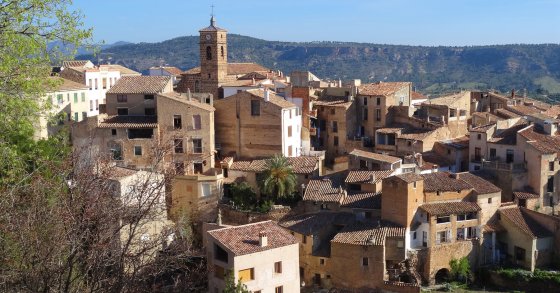
Chandrexa de Queixa, located in the mountainous Ribeira Sacra region of Ourense province, Galicia, is a prime example of this phenomenon. This picturesque town has seen its population drop to approximately 493 residents. The local community is facing labor shortages, especially in areas like farmland maintenance, forest trail clearing, and agricultural and livestock production, where many positions are vacant.
To attract new residents, the housing costs here are extremely appealing. According to official information, monthly rents in the area range from just €200 to €250, and some properties are even for sale for as little as €30,000. For young people and families grappling with the high cost of living in big cities, this price point is undoubtedly a huge draw.
“Holapueblo”: A Systematic Rural Revival Plan
Behind this ‘new resident recruitment’ drive is a formal project called “Holapueblo” (Hello, Village). The project, now in its fifth iteration, is a joint initiative by the energy company Redeia, furniture giant IKEA, and social innovation organization AlmaNatura.
This edition focuses on the Galicia region, with six municipalities participating—three from Lugo province and three from Ourense. All participating villages are low-density communities with fewer than 5,000 inhabitants but possess the basic infrastructure to welcome new residents, such as available housing, proximity to essential public services, and stable internet connections. The core objective of the project is not simply to ‘fill the population gap’ but to increase the success rate of integration and retention by precisely matching aspiring entrepreneurs with the actual needs of the local area.
New Opportunities: From Agriculture to Remote Work
The project offers diverse development paths for new residents. The Chandrexa de Queixa area has immense potential for developing intensive livestock farming, agri-food processing, and ecotourism, especially with untapped leisure tourism projects centered around a nearby reservoir. The local government is particularly welcoming to entrepreneurs who are passionate about the mountain environment and willing to commit to sustainable development.
Furthermore, with the rise of remote work, more urban professionals are turning their attention to the countryside for its lower cost of living and healthier environment. Project managers note a significant increase in inquiries from people looking to move to rural areas in recent years, drawn by a “healthier, more sustainable” way of life.
Not an Isolated Case: The ‘Self-Rescue’ Wave in Rural Spain
Agricultural mechanization, the long-term concentration of resources in cities, and inadequate rural public services have collectively caused decades of rural exodus in Spain. Now, facing an existential crisis, more and more villages are taking the initiative to ‘save themselves’ through various innovative measures, including offering rent-free housing, providing startup grants, or making direct appeals to the nation via social media.
A monthly rent of €200 is more than just a number; it represents an ancient village’s simple hope and sincere call for continuity and a future.
