Hello to all fellow expats in Spain! I’ve been a long-time lurker on the forums and noticed there are many resourceful guides on master’s applications, but fewer discussions about PhD programs, especially at private universities like Camilo José Cela University. Today, I wanted to pop up and share my genuine experience as a student pursuing a PhD at UCJC, hoping to offer a different perspective for those of you choosing a university.
I initially chose UCJC mainly for its Doctorate in Education program. Public universities in Spain have few spots for education doctorates, and as you can see on the Camilo José Cela University’s official website, many require full-time, on-site attendance, which isn’t very accommodating for those who need to balance work or family. UCJC’s PhD program uses a blended format; apart from a few intensive courses and seminars that require physical attendance, most of the research work can be arranged flexibly, which is incredibly thoughtful. Furthermore, regarding UCJC’s rankings, the university has a modern philosophy that emphasizes the integration of research with social practice. Many supervisors are industry experts who can provide very practical guidance.
Core Stages of PhD Study
The application process is quite similar to most universities, mainly involving the submission of your master’s transcripts, language certificates, a CV, and a detailed research proposal. The research proposal is crucial, so be sure to prepare it thoroughly! After admission, the entire PhD journey can be broken down into the following stages. Each step requires the approval of your supervisor and the academic committee, so there’s definitely some pressure.
| Stage | Key Tasks | Notes |
|---|
| First Year | Finalize Research Proposal | An open defense is held at the end of the year, and it’s very important! |
| Second/Third Year | Annual Research Progress Review | Submit an annual progress report to showcase research findings. |
| Fourth/Fifth Year | Thesis Writing and Submission | Complete the thesis and get it approved by your supervisor and at least two external examiners. |
| Final Stage | Thesis Defense (Viva Voce) | The final public defense. Passing this leads to the award of the PhD degree. |
In terms of the learning experience, I find the supervisor’s role to be paramount. The supervisors at UCJC are quite responsible and will meet with you regularly to discuss your progress, but you still need to be proactive. The research atmosphere here isn’t as intensely competitive as at major public universities, but it’s by no means easy. The campus environment is excellent; the main campus in Villafranca, on the outskirts of Madrid, is like a large, beautiful garden—quiet and perfect for focused research. Of course, the tuition is a tad more expensive than at public universities okay, a lot more, but in return, you get better facilities and a more flexible system. Whether it’s worth it really depends on your individual needs.
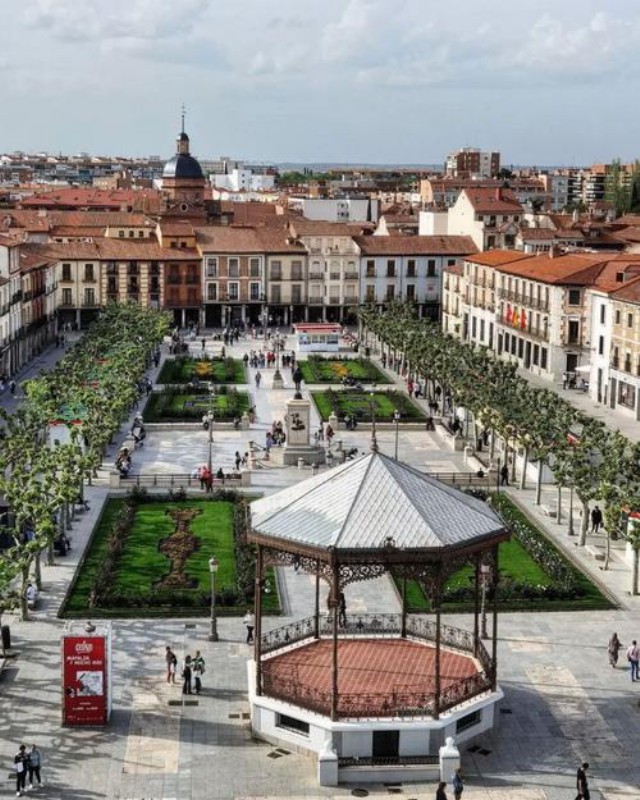
Studying for a PhD at UCJC is a journey of both opportunities and challenges. It might not be the most traditional academic path, but for students with clear goals who value flexibility and the integration of theory with practice, it is an option well worth considering. I hope my sharing has been helpful to everyone!
Are there any other folks doing their PhD in Madrid? Feel free to share your ups and downs in the comments below
!
