Lately, I’ve seen a lot of forum posts about studying Spanish abroad, mostly focusing on language schools in Spain. Today, I want to offer a different perspective and talk about the experience of studying Spanish at a top public university in the US—the University of Michigan. Having studied here for a few years, I’m quite familiar with its Spanish program and hope to provide some useful information for those interested. U-M isn’t just a powerhouse for STEM; its humanities and social sciences, especially the language and literature programs, are incredibly strong.
The Spanish courses at the University of Michigan are primarily managed by the Department of Romance Languages & Literatures. This department is a powerhouse, offering not only Spanish but also French, Italian, Portuguese, and more. Many professors here are leading experts in their fields, with research interests spanning from medieval Iberian literature to contemporary Latin American cinema. Therefore, studying Spanish here gives you much more than just language skills; it provides a deep understanding of the culture, history, and society of the entire Spanish-speaking world. The academic atmosphere is rigorous, yet class discussions are very open and lively.
Courses and Learning Paths
As an undergraduate student at U-M, you can choose to major or minor in Spanish. The department offers a comprehensive curriculum, with options extending to graduate studies like the University of Michigan’s Spanish Master’s program. The program is well-structured, providing a clear path from beginner to advanced levels. You can seamlessly join even with no prior experience. Below is a simplified look at the course ladder:
| Course Stage | Course Number Range | Main Content |
|---|
| Elementary Language | SPANISH 101-230 | Basic grammar, listening, speaking, reading, writing, daily conversation |
| Intermediate Language & Culture | SPANISH 277, 278 | Grammar reinforcement, cultural themed readings, introduction to writing |
| Advanced Courses | SPANISH 300-400+ | Literary analysis, linguistics, cultural studies, advanced writing |
| Honors Program | SPANISH 490 | Independent research, thesis writing |
The workload can be demanding, with high expectations for reading and writing. But if you keep up, you’ll find your Spanish proficiency and critical thinking skills skyrocket improve by leaps and bounds.
At U-M, learning extends far beyond the classroom. The university offers a wealth of resources to immerse you in a Spanish-speaking environment. The most popular are the study abroad programs, where you can spend a semester or a year in places like Salamanca or Granada in Spain, or Buenos Aires in Argentina. Additionally, there are weekly “Tertulia” events on campus—casual conversation groups where you can practice speaking with native speakers, professors, and fellow students. The department also frequently screens Spanish and Latin American films and hosts various cultural lectures.
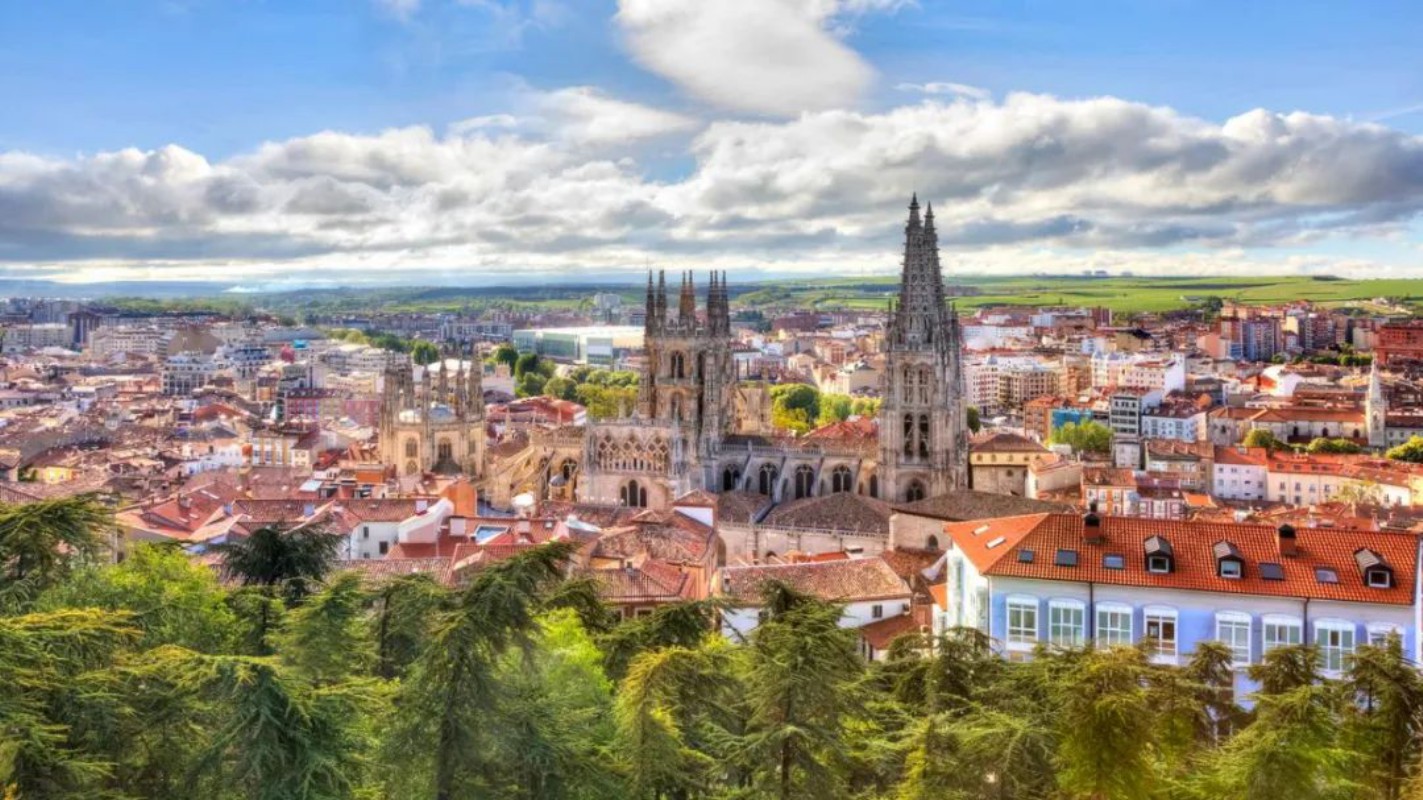
When it comes to the University of Michigan Spanish courses, if you’re looking to systematically and deeply study the language along with its rich culture and literature in a top-tier academic setting, then the University of Michigan is an absolutely fantastic choice. It doesn’t just train translators or teachers; it cultivates individuals with a cross-cultural perspective and critical thinking skills. Of course, the tuition is quite substantial, haha.
Feel free to join the discussion, whether you’re an alumnus, a current student, or just someone interested in U-M
!
