Hantavirus Cruise Ship Crisis: Spain Initiates Offshore ‘Bubble’ Evacuation Amid Port Worker Strike
A public health crisis unfolding in the Atlantic Ocean is testing the emergency response capabilities of multiple nations. The cruise ship MV Hondius, operated by the Dutch polar exploration company Oceanwide Expeditions, has suffered a Hantavirus outbreak during its voyage, with at least three fatalities reported. On May 8, the Spanish government announced an emergency evacuation and repatriation of the approximately 150 passengers and crew, scheduled for May 10-11.
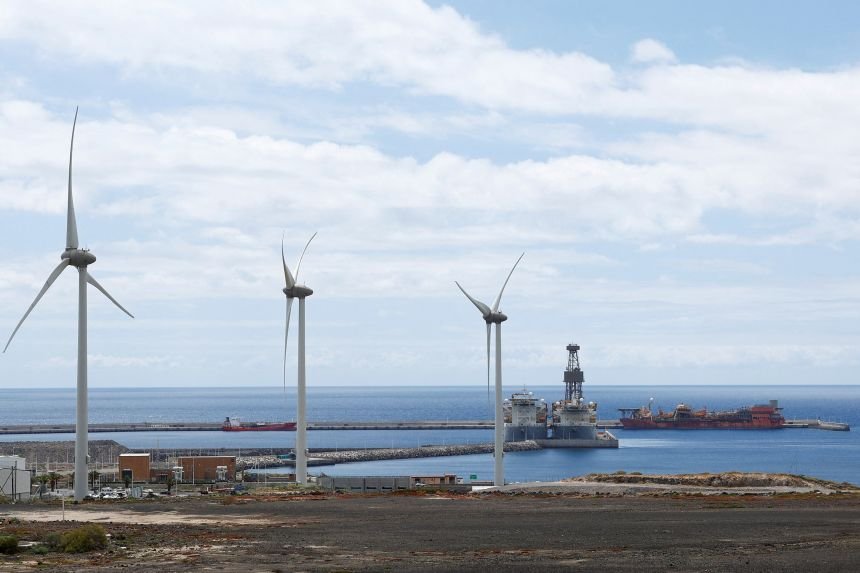
Offshore ‘Bubble’ Transfer: The Cruise Ship Will Not Dock
According to a special plan developed by Spanish authorities, the cruise ship will arrive off the coast of the Port of Granadilla in Tenerife, Canary Islands, on the morning of May 10, but it will ‘under no circumstances dock at the port.’ All personnel transfers will be conducted in offshore waters to address local concerns about importing the virus.
The entire evacuation will follow a strict ‘isolated bubble’ procedure:
- Sea Transfer: Passengers will be moved in groups from the cruise ship to smaller vessels.
- Direct Pier-to-Bus Transit: Upon arrival at the pier, passengers will immediately board buses without entering any public areas of the port.
- Point-to-Point Repatriation: The buses will transport everyone directly to Tenerife South Airport, where charter flights arranged by their respective countries will repatriate them.
This plan is highly dependent on weather conditions. Officials admit that due to strong winds and high seas, the operation must be completed within a narrow window between Sunday and Monday. Otherwise, it could be postponed until late May, disrupting the plan. Currently, most of those on board are asymptomatic. Except for a few urgent medical cases, all others will be directly repatriated.
Official Explanation: Why Not Quarantine Onboard?
In response to public questions about why passengers are not being quarantined on the ship, Spanish Minister of Health Mónica García stated clearly that a vessel experiencing an outbreak is itself a ‘source of risk’ and is not equipped for proper quarantine.
She highlighted three core reasons:
- Insufficient Space: The ship lacks the capacity to effectively separate symptomatic and asymptomatic individuals, creating a risk of cross-contamination.
- System Deficiencies: The cruise ship’s ventilation system is not designed for infection control and could accelerate the spread of the virus in a confined space.
- Lack of Medical Resources: The vessel is not equipped with the professional testing, monitoring, or treatment facilities needed for timely intervention if a patient’s condition worsens. Quarantining individuals on the ship would be neither safe nor humane.
Therefore, authorities opted for a strategy of ‘swift disembarkation, contained transfer, national repatriation, and decentralized management,’ believing it to be the safer and more scientific approach.
Local Backlash: Port Workers Proceed with Strike
Despite the central government’s adjustment to a ‘no-docking’ plan, the move has failed to quell strong local opposition. The Tenerife Port Workers’ Union has announced it will uphold its decision to strike and is planning demonstrations.
Union representative Elena Ruiz stated that the core issue is a ‘severe lack of transparency.’ Workers are unclear about the specific safety protocols and uncertain about their potential exposure to risk. ‘What happens if we get infected? Who will be responsible?’ they ask. They argue that in a major public health event involving fatalities, the health and safety of frontline workers must be guaranteed.
Although the President of the Canary Islands, Fernando Clavijo, welcomed the decision for the ship not to dock, the incident has escalated into a complex standoff between the central government, local authorities, and frontline workers. The Spanish Ministry of Health explained that the no-docking decision was because the Port of Granadilla is an industrial port lacking passenger facilities, but it is widely believed that local pressure was the primary reason.
Strict Follow-Up: French Passengers Face 6-Week Monitoring
The evacuation is just the first step; individual countries will be responsible for the subsequent quarantine and treatment of their citizens. The plan for the five French passengers on board, for example, is particularly strict upon their return.
According to the head of France’s infectious disease emergency coordination body (Coreb), the five French nationals will be repatriated by a special flight. Upon landing, they will immediately undergo further testing and medical evaluation. Symptomatic individuals will be sent to designated hospitals, while those who are asymptomatic will enter a medical monitoring period of up to six weeks. During this time, their ‘lives will be restricted,’ and they will be unable to immediately return to work or social activities.
Experts emphasize that although the risk of human-to-human transmission of Hantavirus is much lower than that of COVID-19, its potential to cause severe illness necessitates a ‘better-safe-than-sorry’ approach to prevent any potential spread.
