Stranded Virus Ship Arrives as Spain Lends a Hand
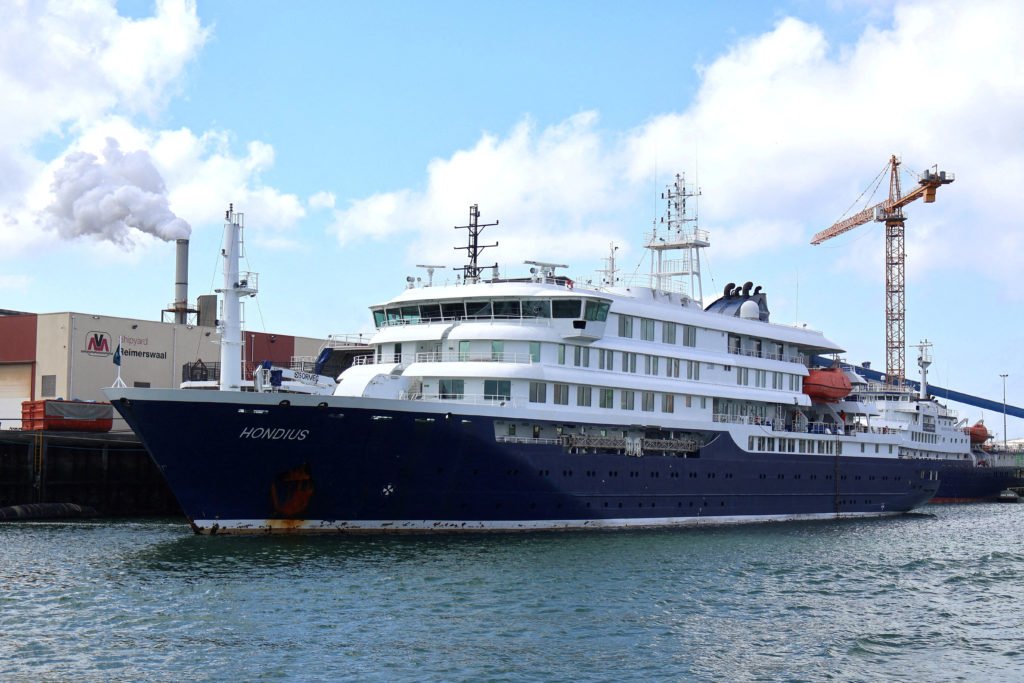
In the early hours of May 10, 2026, after days adrift at sea, the cruise ship MV Hondius, suffering a Hantavirus outbreak, arrived off the coast of Tenerife in Spain’s Canary Islands. The ship, originally bound for Cape Verde, had been turned away by multiple ports after three passengers died from the virus. The Spanish government, citing humanitarian reasons and coordinating with the World Health Organization (WHO), finally agreed to receive the vessel and plan for the transfer of its passengers.
Healthcare Resources Strained: A Chasm Between Promise and Reality
The cruise ship’s arrival has put Spain’s medical response capabilities to a severe test. According to reports from an internal meeting of the Spanish Ministry of Health on May 7, a grim reality emerged: the actual number of high-level isolation beds in Spain is far lower than officially claimed. Health Minister Ángel Víctor Torres had promised 16 beds, while a ministry document indicated 17. However, an urgent check with technical staff across the autonomous communities revealed that only 9 level-four isolation beds nationwide truly meet the standards for treating Hantavirus.
These 9 beds are spread across specific hospitals in six autonomous communities: Hospital Clínic in Catalonia, Donostia Hospital in the Basque Country, Virgen del Rocío Hospital in Andalusia, La Fe Hospital in Valencia, Hospital de Candelaria in the Canary Islands, and La Paz-Carlos III Hospital in the Community of Madrid, each providing one bed. Furthermore, the Gómez Ulla Hospital in Madrid, the national reference center for biochemical and highly infectious diseases, can provide a maximum of 3 beds under “special extreme conditions,” including 2 for intubated patients and 1 equipped with ECMO (Extracorporeal Membrane Oxygenation). The vast discrepancy between official figures and actual capacity has sparked public concern about the government’s preparedness.
The “Neighbors” by the Port: Overlooked Local Hardships
Near the port of Granadilla de Abona in Tenerife, a unique group of “neighbors” is watching this high-profile rescue operation. They are people forced to live in motorhomes due to the Canary Islands’ housing crisis. Between 2025 and 2026, local housing prices and rents surged by 12% to 15%, as the overdevelopment of tourism has made housing unaffordable for locals.
51-year-old resident Herminda Bouzas told the media about her experience at the Hospital de Candelaria, saying she was dismissed multiple times for her body pain until a malignant tumor was finally discovered on her seventh visit. She and her partner, Néstor, bluntly stated that the local public healthcare system is already overwhelmed. Carolina, a high school teacher also living in a vehicle, added that she had personally seen hospital corridors filled with patients on stretchers due to a lack of beds. She questions how a healthcare system that cannot adequately care for its own citizens can possibly handle a potential mass outbreak from the cruise ship.
A Dual Test Under the Halo of Humanitarianism
Despite facing these internal doubts, Spanish authorities are making final preparations to receive the passengers. The ship is scheduled to anchor offshore, and passengers will be transferred to Tenerife South Airport after health screenings. The Hospital de Candelaria, the primary treatment center, is on high alert, with fifty specialists and advanced equipment mobilized. However, for the residents living near the port, these “grand” preparations stand in stark contrast to the medical resource shortages they experience daily.
They generally agree that helping people in need is right and humane, but not at the expense of their own citizens’ basic welfare. The “virus cruise ship” incident not only exposes Spain’s shortcomings in preparing for major public health events but also juxtaposes the government’s polished humanitarian image with severe domestic social problems, prompting a profound societal reflection on resource allocation and policy priorities.
