Key Hearing Scheduled for May 13
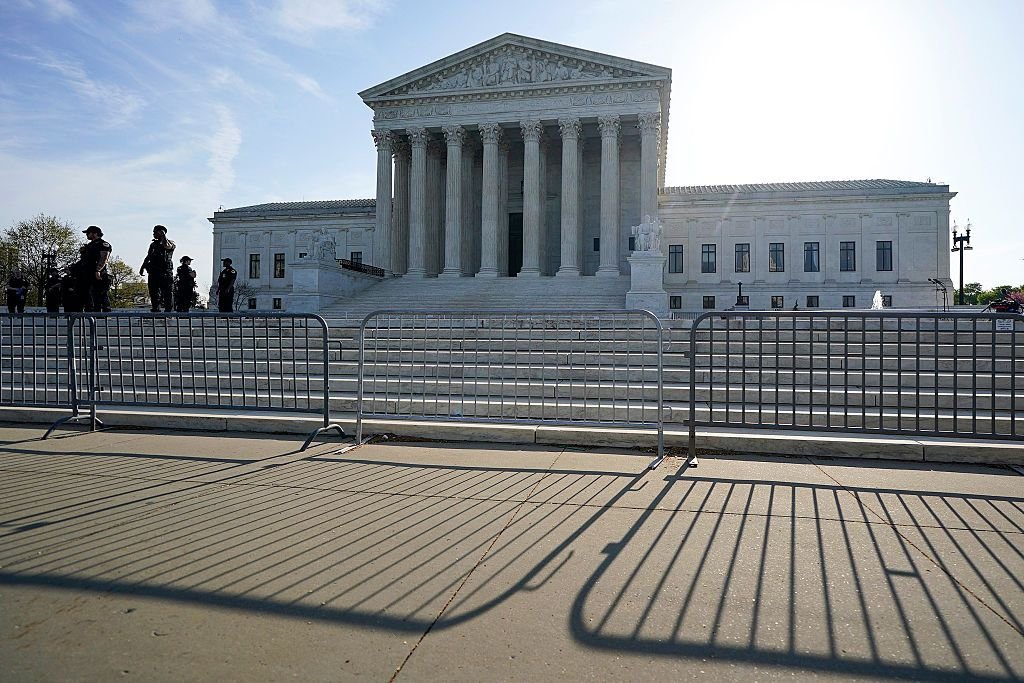
Spain’s Supreme Court has officially scheduled a hearing for May 13 to hear arguments on whether to suspend the immigration amnesty process. This hearing is a crucial step in addressing the multiple legal challenges against the amnesty policy. Since the relevant regulation took effect on April 16, its legality has been continuously questioned by certain political factions.
Right-Wing Pressure Mounts with Eight Lawsuits
According to court sources, eight lawsuits have been filed by various right-wing groups and political parties demanding an immediate halt to the immigration amnesty. The plaintiffs include the Madrid branch of the right-wing People’s Party (PP), the far-right VOX party, and social organizations such as “Hazte Oír” and the “Association for Reconciliation and Historical Truth.” Together, they are pressuring the judicial system to stop the controversial policy through legal means.
Government’s Firm Stance: State’s Legal Service Opposes Suspension
In response to the legal challenges, the State’s Legal Service (Abogacía del Estado), representing the Spanish government, has taken a clear position. In a document submitted to the Supreme Court, the agency formally expressed its opposition to suspending the amnesty process. The government argues that there are insufficient legal grounds to grant a temporary suspension of a regulation that is already in effect and being implemented.
Judicial Background: Court Previously Rejected Urgent Request
Notably, this is not the first time the Supreme Court has dealt with such a request. In mid-April, when the amnesty process began, the court rejected an “emergency stay” request from the Madrid People’s Party. At the time, the court ruled that the plaintiffs failed to prove the regulation caused serious harm requiring urgent intervention immediately after taking effect, leading to a swift rejection without hearing from the State’s Legal Service. Although that request was denied, the People’s Party kept the lawsuit alive through an appeal, which has now prompted the court to convene this formal hearing, involving both parties, to follow a more complete judicial procedure.
