A Look Back: How the COVID-19 Pandemic Reshaped Home-Buying Preferences
In his latest analysis, real estate analyst Sergio Gutiérrez notes that the Spanish property market underwent a profound structural shift during the early stages of the COVID-19 pandemic in 2020. In response to lockdowns and the rise of remote work, home-buying preferences changed significantly, with demand shifting from densely populated urban centers to more spacious homes in open environments.
During this period, properties with common areas, terraces, or gardens—such as detached houses, townhouses, and penthouses—became highly sought-after. At the same time, second homes, seen as ‘safe havens,’ also became a market hotspot. This shift in demand directly led to price increases for these property types and reshaped market priorities at the time.
Expert View: Projecting the Market’s Response to a New Crisis
Looking ahead, Gutiérrez believes that if another global public health crisis, similar to COVID-19 or Hantavirus, were to occur, the real estate market’s reaction would not simply be a repeat of history. He predicts that in the context of a new crisis, the pursuit of ‘quality of living space’ will not only continue but will be further intensified.
This means that homebuyers would likely be even more determined to seek living environments that offer a higher quality of life and a greater sense of security. This trend is set to be a key variable influencing the future direction of the property market.
The Current Market: Key Differences from 2020
Gutiérrez emphasizes that the fundamentals of the current Spanish real estate market are vastly different from what they were at the onset of the pandemic in 2020. The core difference lies in the sharp conflict between sustained strong demand and an increasingly tight housing supply. This structural issue of undersupply is a critical backdrop that must be considered when analyzing future market dynamics.
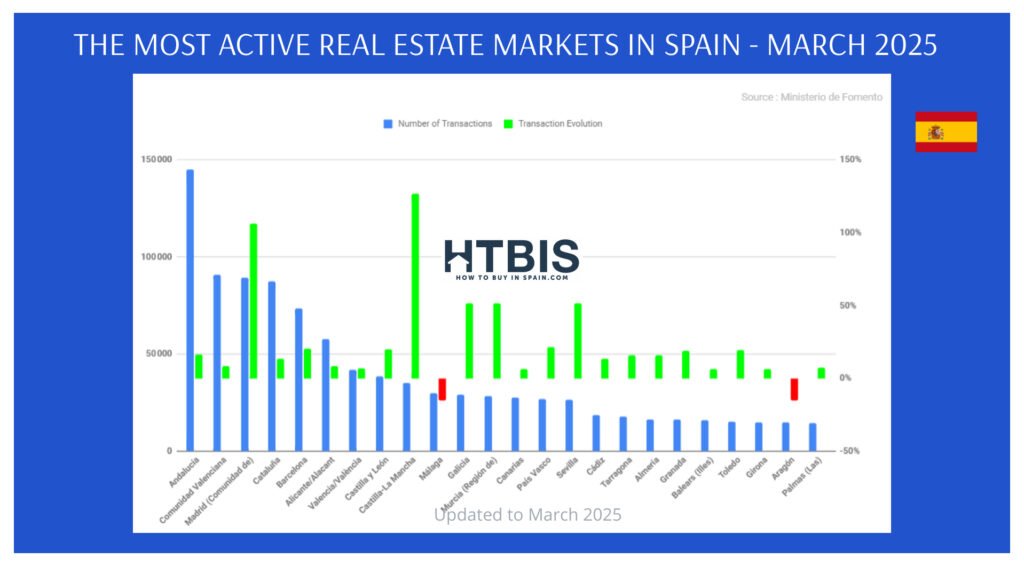
In 2020, the market still had a certain supply buffer. Today, however, the tight supply means that any additional increase in demand could have a more direct and drastic impact on prices, especially for specific types of properties.
Future Outlook: Market Polarization Likely to Intensify
Based on the current market conditions, Gutiérrez concludes that a new large-scale health crisis would likely not cause a general market downturn but would instead intensify internal market segmentation. On one hand, suburban homes and second residences that meet the ‘high-quality living’ standard could once again become investment hotspots, with potential for further price increases.
On the other hand, due to immense overall demand pressure, even small flats or city-center apartments—traditionally considered less attractive during a crisis—may not see their prices fall. The final result could be greater divergence in price trends across different property types and regions, making market polarization even more pronounced.
