Introduction
For Spain’s self-employed professionals, a tax deduction for private health insurance offers a significant way to save on taxes. With business costs continually rising, understanding and utilizing this policy can greatly reduce your tax burden. Since the tax season began on April 8th, this deduction has become a key focus for many freelancers.
Background: Rising Costs for the Self-Employed
According to data from Spain’s Ministry of Labour and Social Economy, the number of self-employed workers in Spain has surpassed 3 million, accounting for about 16% of the total employed population. However, a report from the Civismo Foundation indicates that over the past decade, non-wage labor costs for the self-employed (especially social security contributions) have increased by nearly 28%, outpacing the approximate 22% wage growth during the same period. This trend makes tax deductions crucial for maintaining their business viability.
Health Insurance Deduction Policy Explained
Spanish tax law stipulates that if a self-employed individual purchases health insurance related to their professional activity, the expense can be deducted from their personal income tax (IRPF). The specific rule allows for a maximum deduction of €500 per year for the self-employed person and each family member. This expense is deducted directly from the gross income before calculating the net taxable income, effectively lowering the total tax due.
Eligibility and Scope of the Deduction
This tax benefit is not available to all self-employed individuals. Applicants must be taxpayers under the ‘direct estimation system’ (estimación directa), which includes both its normal and simplified modes. However, those who file taxes under the ‘module system’ (módulos) are not eligible for this deduction. The module system is common in sectors like hospitality, transport, and some small retail businesses, where taxes are calculated based on fixed parameters rather than actual income and expenses.
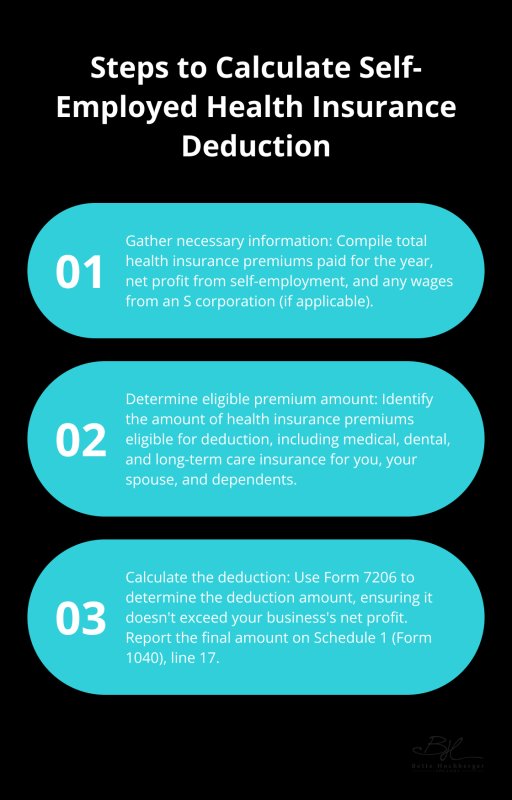
Furthermore, the deduction covers not only the self-employed individual but also their spouse and any children under 25 who live with them. This means a family of four (with a spouse and two children), if all are insured, can deduct up to €2,000 annually (€500 per person x 4).
Special Cases and Comparisons
The policy provides a higher deduction for special groups. If a family member is an officially certified person with a disability, their individual deduction amount increases to €1,500 per year, three times the standard rate.
In contrast, salaried employees are treated differently for tax purposes. They can only enjoy a similar tax benefit if their company offers it as part of a ‘flexible remuneration package’ that includes health insurance. If an employee purchases commercial health insurance on their own, the expense is typically considered personal consumption by the tax authorities and cannot be deducted from personal income tax.
