Introduction
As the pace of modern life changes, sleeping late has become a global trend. A recent large-scale study clearly indicates that habitually sleeping late, especially after midnight, is directly linked to a significant increase in mental health risks. This lifestyle is particularly prevalent in Spain, drawing the attention of health experts.
Spain’s Widespread “Late-Night Culture”
In Spain, the popularity of nightlife, streaming platforms, and short-form videos is continuously pushing back bedtimes. Research data from researcher and biomedical expert Clara Muñoz shows that about seven in ten people in Spain go to bed after 11 PM, with a significant portion even making it a habit to rest only after midnight. This “new normal” of late nights has become a significant social phenomenon.
New Research Reveals the Link Between Late Nights and Mental Health
A study recently published in the academic journal ‘Psychiatry Research’ provides new evidence on the harms of sleeping late. The research team conducted an in-depth analysis of sleep data from approximately 74,000 British adults. The results showed that compared to individuals with regular, early-to-bed-early-to-rise schedules, “night owls” who consistently go to sleep after 1 AM are significantly more likely to experience mental health problems.
Quantifying the Risk: A 20% to 40% Increase in Mental Health Issues
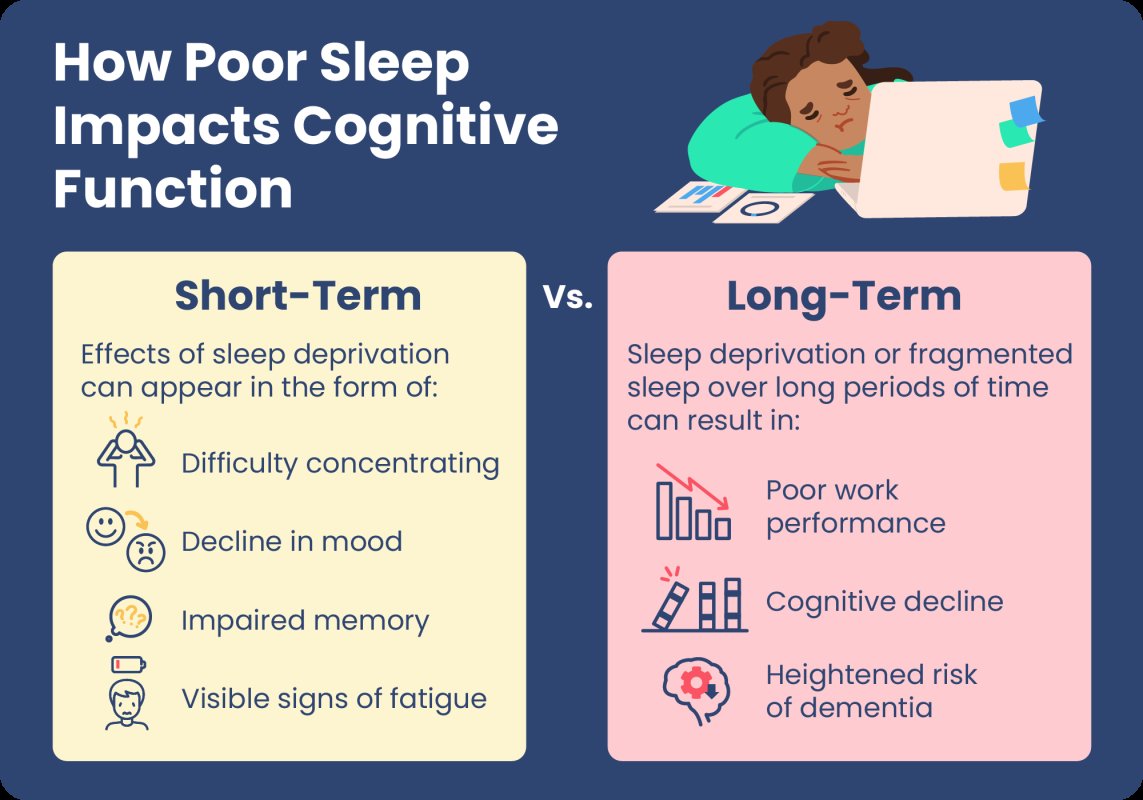
The study further quantified the risk, pointing out that long-term late sleepers have a 20% to 40% increased risk of developing mental health problems such as depression and anxiety. Researchers emphasize that sleep is not just a process of physical rest; it plays a key role in emotional regulation, attention maintenance, and physiological recovery. Insufficient sleep or a disrupted sleep pattern directly impairs these vital functions.
Expert Analysis: The Core Issue is Circadian Rhythm Disruption
Health experts explain that the root of the problem is not just “sleeping late” but the “circadian rhythm disruption” it causes. The human body’s biological clock follows the natural day-night cycle. A lifestyle of being active at night and drowsy during the day disrupts this rhythm, gradually weakening an individual’s psychological stability and resilience to stress. Therefore, experts advise that no matter how busy life gets, one should strive to maintain a consistent sleep schedule and ensure sufficient sleep duration as a cornerstone for long-term physical and mental health.
