Outbreak on Cruise Ship and Spain’s Response
Recently, a serious Andes Hantavirus outbreak occurred on the Dutch expedition cruise ship, the MV Hondius. The World Health Organization (WHO) reported on May 2, 2026, a cluster of severe respiratory illnesses on board. As of May 11, the WHO confirmed 7 related cases, with 2 additional highly suspected cases and 3 deaths, including a Dutch couple and a German woman.
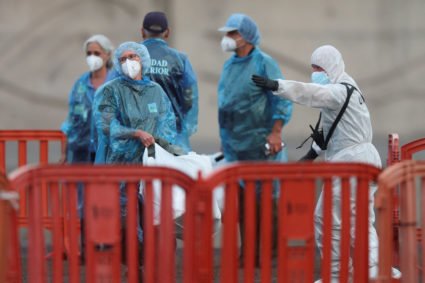
On May 10, the cruise ship arrived at the port of Granadilla in Tenerife, Canary Islands, Spain. Spanish authorities implemented high-level biosecurity measures, with personnel in full protective gear assisting in the evacuation of passengers and crew. Subsequently, the Spanish Ministry of Health confirmed that a Spanish national, who was in quarantine at a military hospital in Madrid, had tested preliminarily positive. The patient was initially asymptomatic but later developed a fever and breathing difficulties, and is currently in stable condition.
Severe Case in France and Early Diagnosis Controversy
The case of a female French passenger has raised concerns about the diagnostic capabilities of the ship’s medical staff. While on board, the passenger exhibited flu-like symptoms, including a cough. However, the ship’s doctor assessed her discomfort as being primarily due to stress and anxiety rather than a viral infection. After being evacuated from Tenerife and returning to France, she tested positive for Hantavirus. Her condition rapidly deteriorated, and she was rushed to a Paris hospital for emergency treatment, where she remains in critical condition. This incident highlights the importance of accurately diagnosing early symptoms in an environment with suspected infections.
Global Containment Efforts and Case Tracking
The ship’s docking in Spain triggered a swift international public health response. The European Centre for Disease Prevention and Control (ECDC) recommended that all individuals from the ship, symptomatic or not, be considered high-risk and evacuated on non-commercial flights for monitoring in their home countries.
- United States: 18 American passengers were repatriated and sent for quarantine and observation at the University of Nebraska Medical Center and in Atlanta. One passenger showed a “weak positive” test result. Although not officially included in the WHO’s count, U.S. authorities used the highest level of biosecurity protocols for their transport.
- United Kingdom: A group of 22 people, including 20 British citizens, were taken to Arrowe Park Hospital in Merseyside for a 72-hour observation period.
- France: In addition to the severe case, four other French nationals were placed in strict quarantine immediately upon their return. A contact was also identified in the Brittany region and has been transferred to a hospital.
- Netherlands: The ship is expected to arrive in the Netherlands on May 17. Previously, a hospital in Nijmegen placed 12 staff members in precautionary quarantine after failing to follow the latest strict protocols when handling a Hantavirus patient sample.
- Other Countries: Passengers from other nations, including Australia and New Zealand, have also been evacuated. One American contact was even tracked down and isolated on the Pitcairn Islands, which has a population of just 35.
Andes Hantavirus: Risks and Public Health Advice
The Andes variant of Hantavirus at the center of this outbreak has prompted high alert globally because it is a rare type that can potentially spread from person to person through close contact. Its primary mode of transmission is typically through contact with environments contaminated by the droppings or saliva of rodents, such as mice. Symptoms of infection include fever, extreme fatigue, muscle aches, gastrointestinal problems, and severe respiratory distress. The Hantavirus Pulmonary Syndrome it causes can have a mortality rate as high as 40%.
Despite the serious situation, WHO Director-General Tedros Adhanom Ghebreyesus emphasized that this is not another large-scale pandemic and the overall risk to the general public remains low. The ECDC also advised affected countries to conduct active monitoring and health follow-ups for passengers but stated that the general public should not panic or overreact. The core focus now is to ensure all individuals from the ship are meticulously traced and managed to halt any further transmission of the virus.
