The Lid: A Neglected Breeding Ground for Bacteria
As environmental awareness grows, reusable water bottles have become a daily essential for many. However, Miguel Aguado, a professor in the Master’s program in Sustainability and ESG Management at the Universidad Europea in Spain, warns the public of a major hygiene hazard lurking in the bottles we use every day.
He points out that the dirtiest part of a water bottle is often not the bottle itself, but its complex lid. Specifically, components like rubber seals, retractable spouts, or internal straws, with their many hard-to-clean crevices, can easily become breeding grounds for mold and bacteria in a humid environment.
Biofilm Formation and Health Risks
Professor Aguado explains that while the complex internal structure of the lid ensures a tight seal or convenient drinking, it also creates ideal conditions for microorganisms to multiply. When saliva residue mixes with moisture inside these gaps, a slippery, often invisible ‘biofilm’—a colony of bacteria—forms over time.
Drinking water contaminated by this biofilm over the long term can pose potential health risks. For individuals with weaker immune systems, such as children, the elderly, or the ill, it could lead to mild gastrointestinal discomfort, allergic reactions, or even opportunistic infections. A clear warning sign is an unremovable odor from the bottle even after washing, which likely indicates significant microbial growth.
Proper Cleaning: Disassemble, Scrub, and Dry Thoroughly
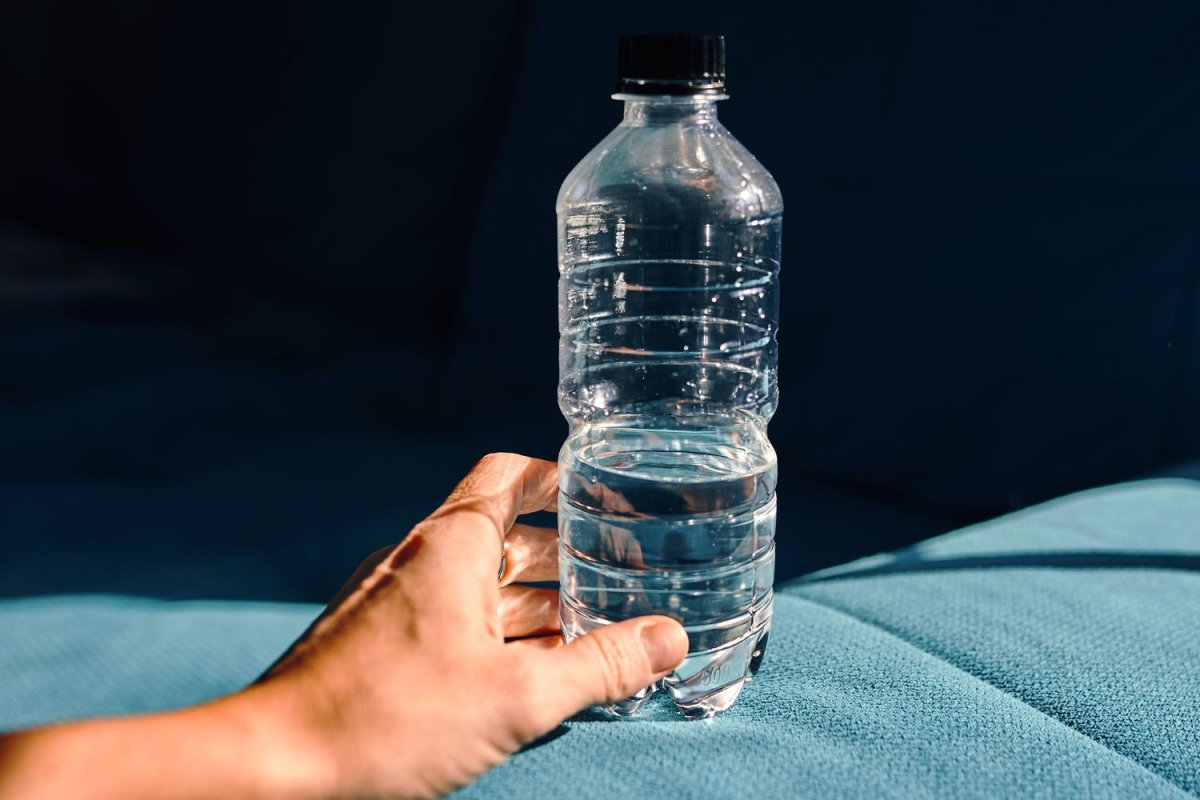
To ensure drinking water safety, the expert emphasizes that a simple rinse with water is far from enough. A correct cleaning routine should follow these steps:
- Daily Washing: Use hot water and dish soap to thoroughly clean the bottle and lid.
- Complete Disassembly: Take apart all removable components of the lid, such as seals and spouts.
- Use Tools: For hard-to-reach areas like straws and nozzles, use a small, specialized brush to scrub them.
- Dry Completely: This is the most crucial step. After washing, all parts must be left to air dry completely in a well-ventilated area before reassembly. Reassembling while still damp creates a perfect environment for rapid mold growth.
Purchasing and Replacement: Reducing Risks at the Source
When buying a new water bottle, Professor Aguado’s advice is ‘simpler is safer.’ A traditional screw-top lid, being the simplest design, has no complex crevices and is the easiest to clean and keep dry.
In contrast, designs with retractable spouts or built-in straws, common in many children’s water bottles, are convenient but much harder to clean, posing a higher hygiene risk. Finally, the professor advises that if the lid’s seal becomes deformed, turns black, develops mold spots that can’t be washed off, or if any mechanical parts fail, you should replace the lid or the entire bottle immediately. Ensuring hygiene is fundamental to achieving the dual goals of health and environmentalism.
