Shifting Perceptions: From Price Shock to Industry Catalyst
A specialized study by Cetelem indicates that Spanish consumers are viewing the entry of Chinese car brands into the market with increasing positivity. The research shows that 37% of respondents believe the arrival of Chinese brands effectively stimulates market competition, which could lead to lower overall vehicle prices. Furthermore, 29% of consumers believe this heightened competition will push all brands to improve their product quality and service levels. This marks a significant shift in perception, from viewing Chinese cars as a mere “low-price shock” to seeing them as a positive “catalyst for the industry.”
Rapid Brand Penetration: MG and BYD Lead the Pack
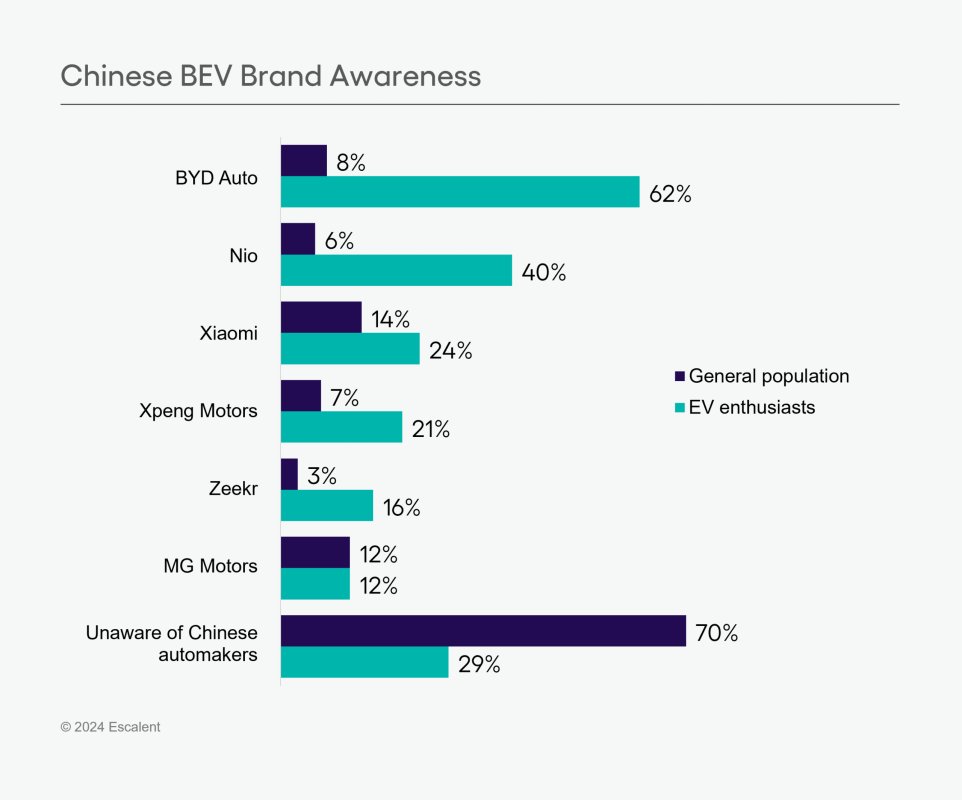
The visibility of Chinese car brands in Spain has skyrocketed. Report data shows that around 80% of Spanish respondents know at least one car brand from China. Among them, MG Motor leads with an impressive 66% brand awareness, thanks to its market strategy and product lineup. Close behind is the new energy vehicle giant BYD, with a brand awareness of 56%. These figures clearly demonstrate that the market penetration strategies of Chinese car brands in Spain are showing initial success.
Purchase Intent Reaches a Tipping Point: Half of Consumers Have Considered
This shift in attitude is directly reflected in purchase intentions. A key finding from the study reveals that approximately 50% of Spanish respondents have considered buying a car from a Chinese brand. When exploring the motives, price (30%) remains a significant factor but is no longer the sole driver. Notably, technology as a reason for purchase (19%) has surged by 12 percentage points compared to last year, indicating that Spanish consumers are increasingly recognizing the technological competitiveness of Chinese vehicles and no longer view them merely as “low-cost alternatives.”
Trust and Information Gaps Remain: After-Sales Service a Key Concern
Despite the positive trend, Chinese car brands still face challenges in the Spanish market. The data shows that a lack of trust and information asymmetry are major hurdles preventing consumers from making a final purchase decision. About 26% of respondents feel there is insufficient reliable information about Chinese cars to make a comprehensive assessment. Meanwhile, 22% of consumers still have doubts about long-term brand trust, particularly regarding after-sales service, the availability of spare parts, and the long-term durability of the vehicles. This suggests the Spanish auto market’s attitude towards Chinese brands has moved from a past phase of “rejection” to a new one of “observation and gradual acceptance,” setting the stage for a more complex and diverse competitive landscape ahead.
