Mortgage Market Enters a Period of Stable Adjustment
CaixaBank CEO Gonzalo Gortázar recently analyzed that Spain’s mortgage market is transitioning from a phase of rapid growth to one of stability. He predicts that the approval rate for new mortgages will slow in the coming quarters, influenced by rising property prices and market expectations of future interest rate hikes. Although there was a significant surge in lending during the second and third quarters of last year, the market has now entered an adjustment period. However, Gortázar emphasized that while the growth of new business will stabilize, CaixaBank’s overall credit portfolio will maintain a positive trajectory from a balance sheet perspective.
Support for ECB Rate Hikes to Curb Inflation
Addressing the current situation where the Eurozone inflation rate remains above 3%, Gortázar believes the European Central Bank’s (ECB) decision to raise interest rates to 2.75% is a logical policy choice. He further anticipates that the ECB may implement three more rate hikes within the year to effectively curb long-term inflation expectations. He pointed out that such precise monetary policy adjustments are crucial for maintaining macroeconomic stability and healthy development.
Spanish Economy Demonstrates Strong Resilience
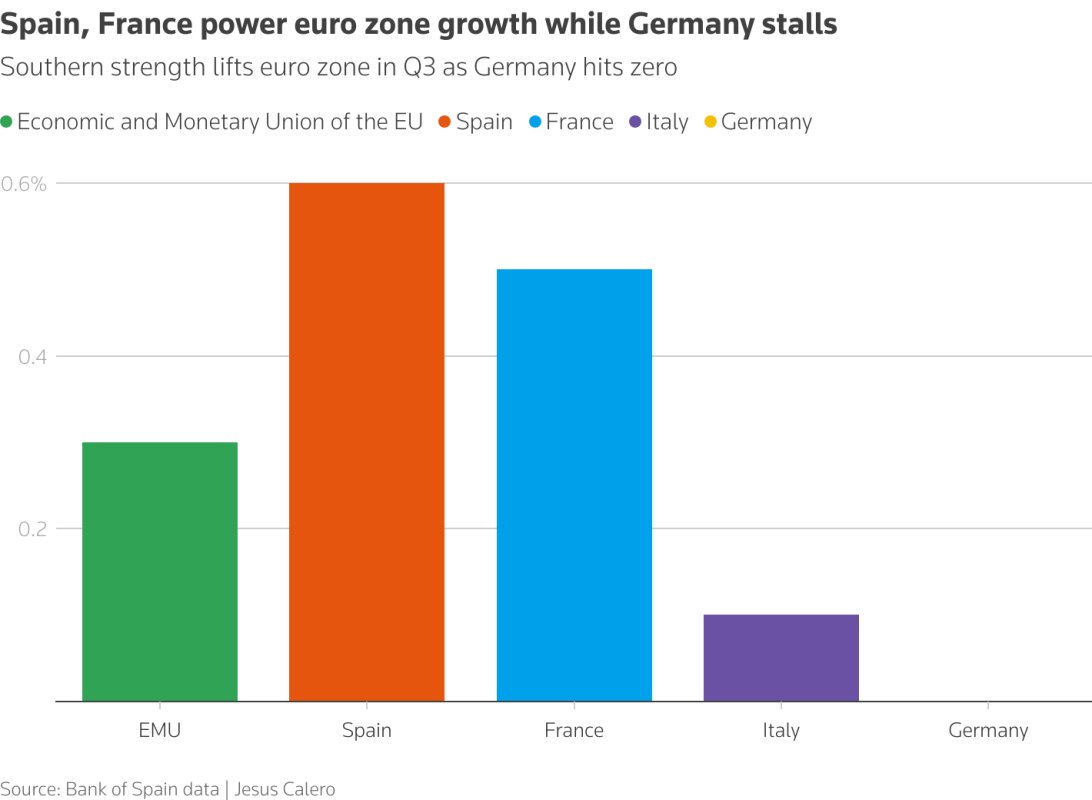
When discussing geopolitical risks, Gortázar mentioned that developments in the Middle East have caused volatility in energy prices, adding complexity to the market. Nevertheless, he believes the Spanish economy continues to show strong resilience. This is primarily due to sustained growth in the domestic job market, an increase in household savings, and a steady recovery in investment and consumption. Based on these positive factors, Spain is well-positioned to withstand external shocks. He stated that Spain’s GDP growth forecast remains around 2%, and its economy is relatively less affected by energy price fluctuations compared to other European countries more dependent on fossil fuels.
Observations on Public Finances and Governance
Regarding Spain’s domestic governance, Gortázar noted that the lack of a stable and clear majority in parliament has led to some policies having a short-term nature, which is foreseeable in the current political transition. As for the issue of public debt, a concern for the market, he clarified that the current situation is far from constituting an ‘institutional crisis.’ He recommended that the government should seize the opportunity presented by strong fiscal revenue growth to actively implement effective measures to reduce the deficit and debt, thereby ensuring the nation’s long-term fiscal security and economic vitality.
