The European Union, known for having some of the world’s strictest cosmetics regulations, has recently tightened controls on nail product ingredients. New rules have issued bans or restrictions on TPO, a key component in gel polishes, and silver powder, used to create the ‘mirror’ effect. This move again highlights the EU’s ‘precautionary principle’—restricting substances as soon as a potential risk is identified.
Photoinitiator TPO Faces a Complete Ban
Starting September 1, 2025, the EU will officially ban the chemical Trimethylbenzoyl diphenylphosphine oxide (TPO) in cosmetic products. TPO is a highly effective photoinitiator widely used in UV/LED-curable nail gels to help them harden quickly under UV or LED light.
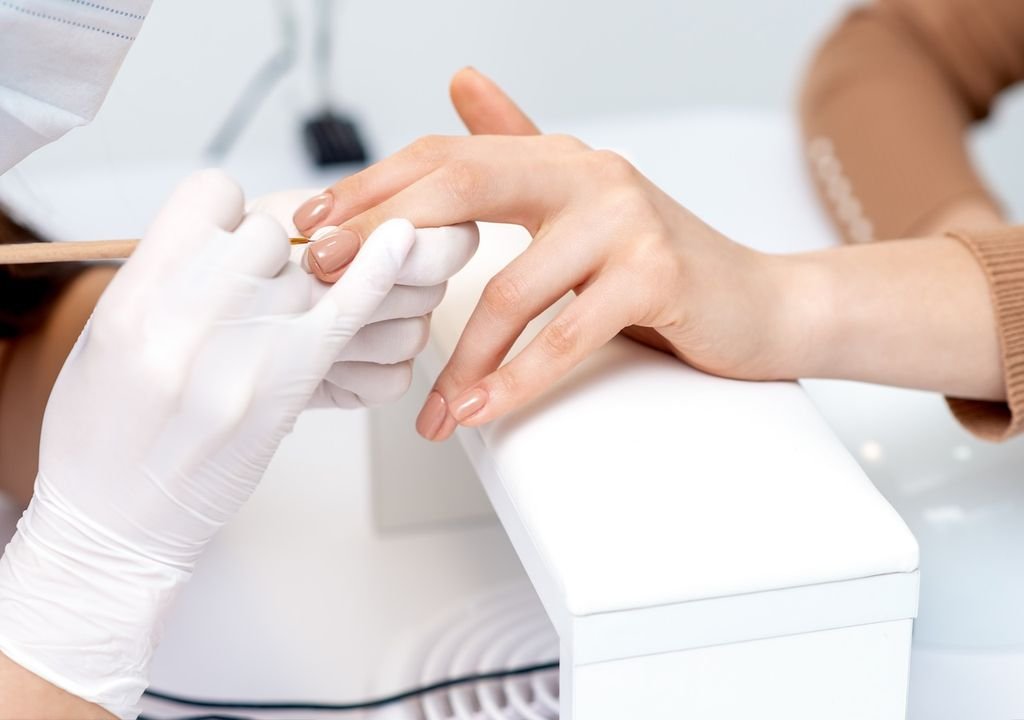
This ban stems from the latest scientific assessment by the EU’s Scientific Committee on Consumer Safety (SCCS). Research indicated that TPO is a CMR substance (carcinogenic, mutagenic, or toxic for reproduction). After more conclusive evidence emerged, TPO was reclassified as a CMR 1B substance, ‘presumed to have reproductive toxicity for humans,’ automatically triggering a ban on its use in cosmetics.
With no transition period, all nail products containing TPO must be immediately removed from sale and use in the EU market from the effective date. The impact on the industry is expected to be massive; market surveillance could reveal high non-compliance rates post-ban, showing the shock to the sector. In response, many brands have already started launching alternative, ‘TPO-free’ formulas.
Silver Powder Use Restricted, ‘Mirror Nail’ Effect May Change
Another significant new rule targets ‘Silver.’ Effective May 1, 2026, the EU will implement detailed regulations on the use of silver in cosmetics, directly affecting trendy metallic nail styles like ‘mirror’ and ‘aurora’ nails.
Under the new regulation, the use of silver is managed based on its particle form:
- Nano-silver (1-100 nm): Completely banned in all cosmetics.
- Bulk silver (>1 mm): Completely banned.
- Micron-sized silver powder (100 nm to 1 mm): Permitted in specific products (like lipstick, eyeshadow) at a limited concentration (not exceeding 0.2%), but nail products are not included in the list of permitted uses.
This regulation effectively bans the silver powder used to create high-shine, strong mirror-like reflections in nail products on the EU market. While the industry can explore alternatives like aluminum or mica powders, the original intense, reflective silver finish may be difficult to replicate perfectly.
Tighter Controls on Aluminum Compounds Mean Adjustments for Metallic Colors
The regulatory chain doesn’t stop there. In new rules announced for April 2026, the EU will also impose stricter concentration limits on aluminum compounds in various types of cosmetics. Aluminum powder is a crucial ingredient for creating many metallic shades, such as champagne gold, rose gold, and matte silver.
Although aluminum is not completely banned, the new usage limits will force manufacturers to re-evaluate and adjust their formulas to ensure compliance. For products aiming for an ultimate metallic sheen, this could lead to a reduction in color intensity or saturation.
Implications for the Market and Consumers
Although these regulations are currently only effective within the EU, their impact is global. EU standards often serve as an industry bellwether, and many multinational beauty corporations prefer to adopt the strictest standards across the board to streamline their global supply chains. Consequently, consumers worldwide may soon notice subtle changes in the nail product lines of some Western brands.
For consumers concerned about ingredient safety, especially those planning a pregnancy or who are currently pregnant, the EU’s actions provide a valuable reference. When choosing nail products, it’s advisable to check the ingredient list and consider opting for products with simpler formulas that have already phased out these controversial ingredients.
