Valencia Teacher Salary Negotiations Reach Stalemate: Unions Reject Government Proposal
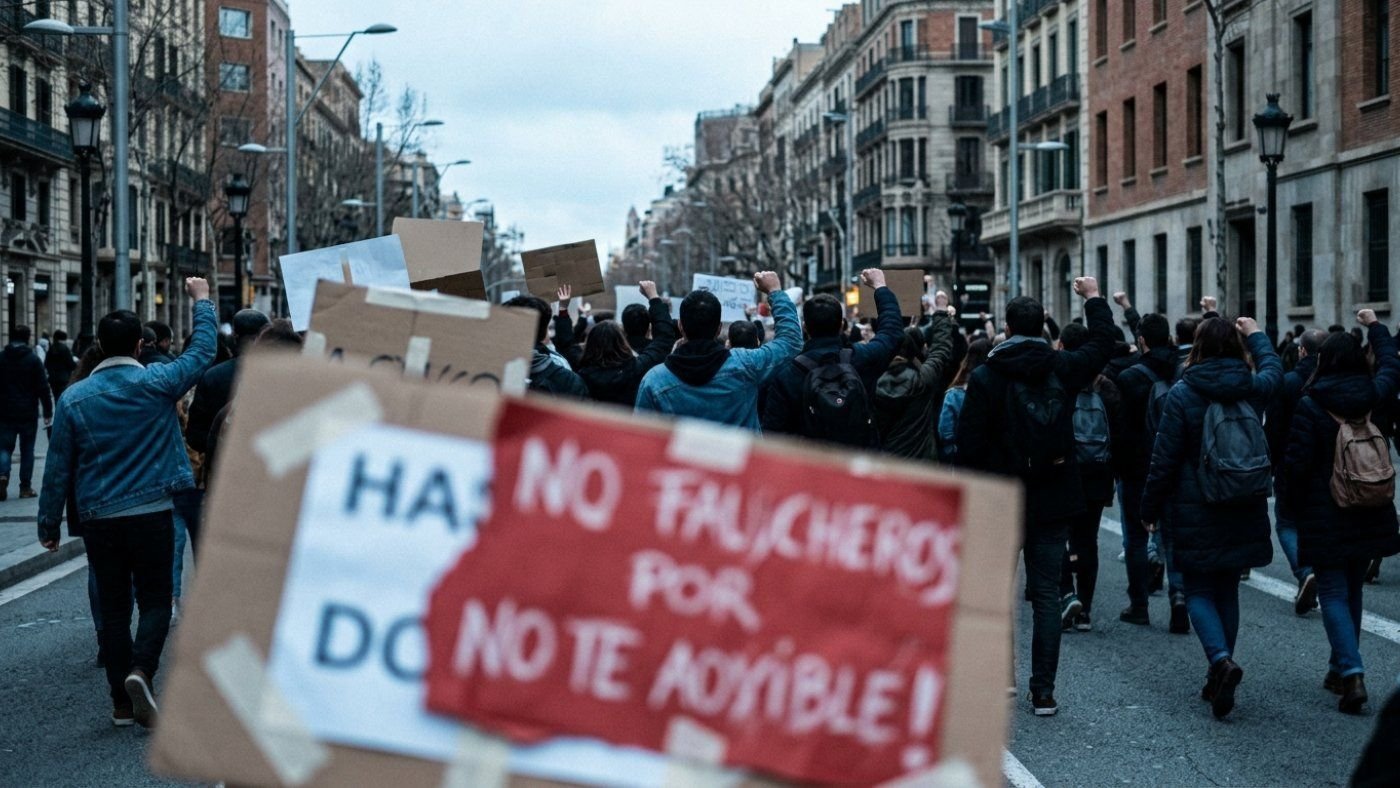
The major teachers’ strike sweeping through the public education system in Spain’s Valencian Community has intensified. During negotiations with unions, the Valencian regional government’s Department of Education, led by Carmen Ortí, presented a salary increase proposal that was immediately rejected by teachers’ unions, bringing the talks to a deadlock.
Government’s Offer: Aiming for “Top Three” Teacher Salaries in Spain
The Valencian regional government has publicly released the details of its salary proposal, launching a public relations campaign. According to the plan, the government promises a phased monthly salary increase of €200 for teachers. If implemented, the starting salaries for public school teachers in the region would be:
- Primary School Teachers: Annual base salary of €37,556
- Secondary School Teachers: Annual base salary of €41,750
The government emphasizes that this salary level would make Valencian teachers among the highest-paid in Spain, excluding the Basque Country and Navarre, which have special tax systems. In addition to salary, the plan also includes a series of comprehensive reforms such as streamlining administrative processes, improving staffing levels, and reducing student-teacher ratios. The government states this is the most it can offer within the current budget.
Union Rebuttal: Pay Raise Fails to Cover a Decade of Inflation Losses
Teachers’ groups, led by the STEPV union, immediately refuted the government’s claims. The unions point out that the government’s proposal ignores the core issue of declining real purchasing power for teachers over the past decade. According to union calculations, due to persistent inflation since 2010, the real purchasing power of a secondary school teacher in the region has decreased by as much as €550 per month.
Therefore, the unions’ bottom line for negotiations is:
- Direct Salary Increase: A demand for a monthly pay raise of €500 to €550.
- Benefit Guarantees: A demand that all regional-specific allowances be fully included in the twice-yearly extra payments.
- Inflation Indexing: Salary increases must be linked to the Consumer Price Index (CPI) for regular adjustments.
From the unions’ perspective, the government’s offer of a €200 monthly raise, to be fully implemented over three years (until 2028), doesn’t even cover the existing inflation gap, let alone constitute a “high-paying benefit.”
Final Negotiations: Future of Strike Hangs in the Balance
Currently, the positions of both sides are far apart, and the negotiations have reached a critical showdown. It is reported that the major teachers’ unions will decide whether to accept or reject the government’s final offer at 5 PM local time on May 20 at the city hall. If the talks ultimately fail, the public school system in the Valencian Community will face indefinite closures and continued protests, further escalating the impact on students and parents.
