Recently, Spain has been hit by a malicious phishing attack targeting the well-known supermarket chain Lidl. Organized foreign cybercrime syndicates have created numerous highly realistic clone stores to deceive tens of thousands of consumers, resulting in the theft and fraudulent use of a large volume of bank card information. This incident has attracted high-level attention from Spain’s national security authorities.
Modus Operandi: Low-Price Bait and Widespread Penetration
The core tactic of this online scam is the creation of a large number of highly convincing Lidl phishing websites. The criminals precisely exploited consumers’ desire for discounts, listing popular items at incredibly attractive prices on these fake sites. To drive traffic to these ‘financial traps,’ the group employed various penetration strategies, including purchasing sponsored ad placements on search engines to make their fake links appear at the top of search results, and using viral dissemination through WhatsApp groups and malicious pop-ups.
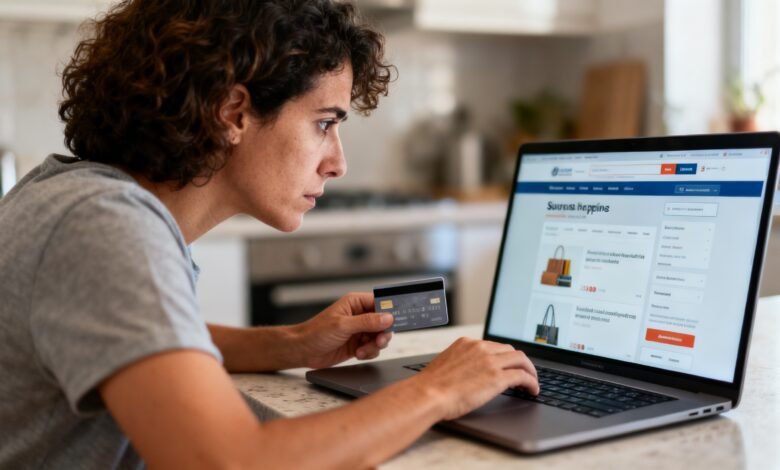
A Dual Harvest: Stealing Data and Draining Funds
Once a victim is lured by the low prices and proceeds to the checkout process, they are directed to a counterfeit payment page. When the user enters their personal and financial information—including their real name, national ID number, bank card number, CVV security code, and dynamic SMS verification codes—this critical data is immediately intercepted by trojan programs in the backend. The criminal group’s goal is a ‘dual harvest’: on one hand, to steal personal privacy data for future sale or exploitation, and on the other, to rapidly transfer and drain the funds from the victim’s bank account within minutes through underground networks, with the victim never receiving any ordered goods.
Official Response: Maximum Alert and Inter-agency Investigation
In response to the severity of this series of cyber heists, the Spanish National Cybersecurity Institute (INCIBE) officially issued a top-level red security alert, numbered ‘INCIBE-2026-329’, on May 6, 2026. Technical experts have clarified that this is not an ordinary case of selling counterfeit goods but a meticulously planned, major cybercrime aimed at stealing data and laundering money. Currently, a national joint task force composed of the Spanish National Police, the Civil Guard’s Cybercrime Unit, and experts from INCIBE is fully engaged in the investigation. This includes shutting down the discovered counterfeit servers and conducting technical analysis of the malicious code and fake payment channels to trace their origin.
Security Advisory: How Citizens Can Protect Themselves and Assist the Investigation
Official agencies are urgently calling on the public to increase their vigilance. Users who have unfortunately fallen into the trap and completed a payment should immediately contact their bank to freeze their account and take complete screenshots of the relevant web pages, payment records, and other information as evidence. At the same time, authorities advise all internet users to strengthen their account security, for example, by setting strong, regularly changed passwords and enabling two-factor authentication (2FA). Providing leads to the police will help law enforcement agencies more effectively track and combat these criminal networks in global cyberspace.
