I’ve been a lurker for a while and noticed most discussions are about business or STEM. So today, I’d like to share my experience with a less common but fascinating field: a PhD in Cultural Heritage in Spain. I’ve been in Spain for several years, progressing from my Master’s to a PhD, and I feel there’s so much to say about this area. I hope this can be a helpful reference for students who share a passion for history and culture.
Why choose Spain to study cultural heritage? The answer is simple: the entire country is a massive “living museum.” From the Roman ruins in the north to the Moorish palaces in the south, and the countless medieval churches and castles scattered across small towns, the cultural heritage resources here are virtually inexhaustible. Instead of just reading documents, you can conduct on-site research anytime, which is an amazing feeling. What’s more, the Spanish government and universities invest heavily in heritage protection and research, creating a very strong academic atmosphere. There are many excellent Spanish universities with cultural heritage programs.
Specializations and Research Topics
Cultural Heritage is an interdisciplinary field with a very broad scope. At the PhD level, research specializations become very specific, allowing you to delve deep into your area of interest, which often builds upon foundational knowledge from programs like a Cultural Heritage Master’s in Spain. Common specializations include archaeology, art history, architectural heritage conservation, museology, cultural landscapes, and intangible cultural heritage. When applying, it’s crucial that your research interests closely align with those of your potential supervisor.
I’ve compiled a list of some representative universities and their general areas of focus for your reference:
| University | Key Research Areas |
|---|
| Complutense University of Madrid | Art History, Medieval History, Archaeology |
| University of Granada | Al-Andalus Culture, Islamic Archaeology, Architectural Heritage |
| University of Seville | American Colonial Heritage, Baroque Art, Cultural Management |
| Polytechnic University of Catalonia | Architectural Heritage Restoration Techniques, Urban Heritage Planning |
Application and Study Experience
Two things are key for a PhD application: language proficiency and a research proposal. For language, you need at least a B2 level in Spanish, with C1 being ideal, as all literature, classes, and communication with your supervisor will be in Spanish. The other critical element is an outstanding research proposal. This document must clearly articulate your research question, objectives, methodology, and originality. Before writing it, you must thoroughly search the target university’s website, look up professors’ CVs and publications to find a supervisor whose interests align with yours. Reaching out to them via email in advance is crucial
!
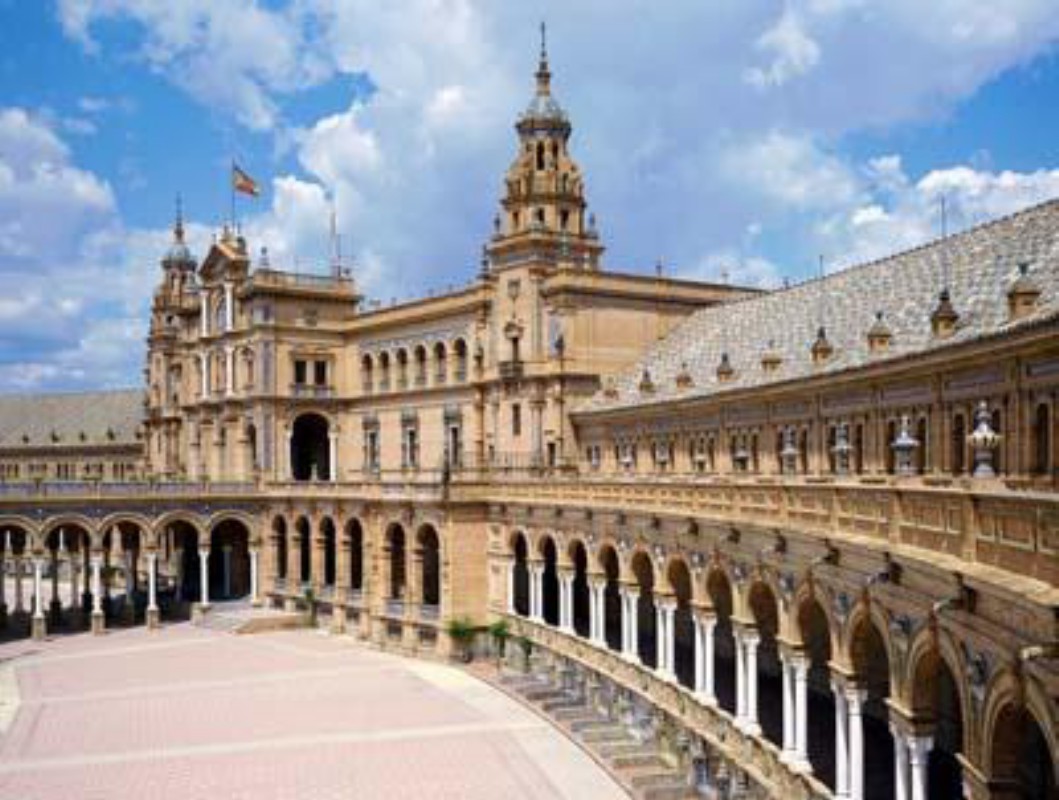
The PhD experience itself is challenging but rewarding. Life as a doctoral student is very independent and relies heavily on self-discipline. Besides reading literature and writing papers, a lot of time is spent doing fieldwork, visiting museums, and attending academic conferences. Although I might be losing some hair, whenever I discover a centuries-old manuscript in an ancient archive or touch a fragment of history at an archaeological site, the sense of accomplishment is unparalleled.
Career paths after graduation aren’t limited to academia. Working in museums, art galleries, cultural foundations, international organizations like UNESCO, or government heritage management departments are all excellent options. You could even become a planner for cultural tourism routes or a consultant for heritage conservation projects. This field is truly fascinating! In short, if you are curious about humanity’s past and are willing to work hard for it, studying cultural heritage in Spain is definitely a worthwhile journey. Feel free to share your thoughts and discuss in the comments!
